Why Do We Try to Escape From Ourselves?
TL;DR
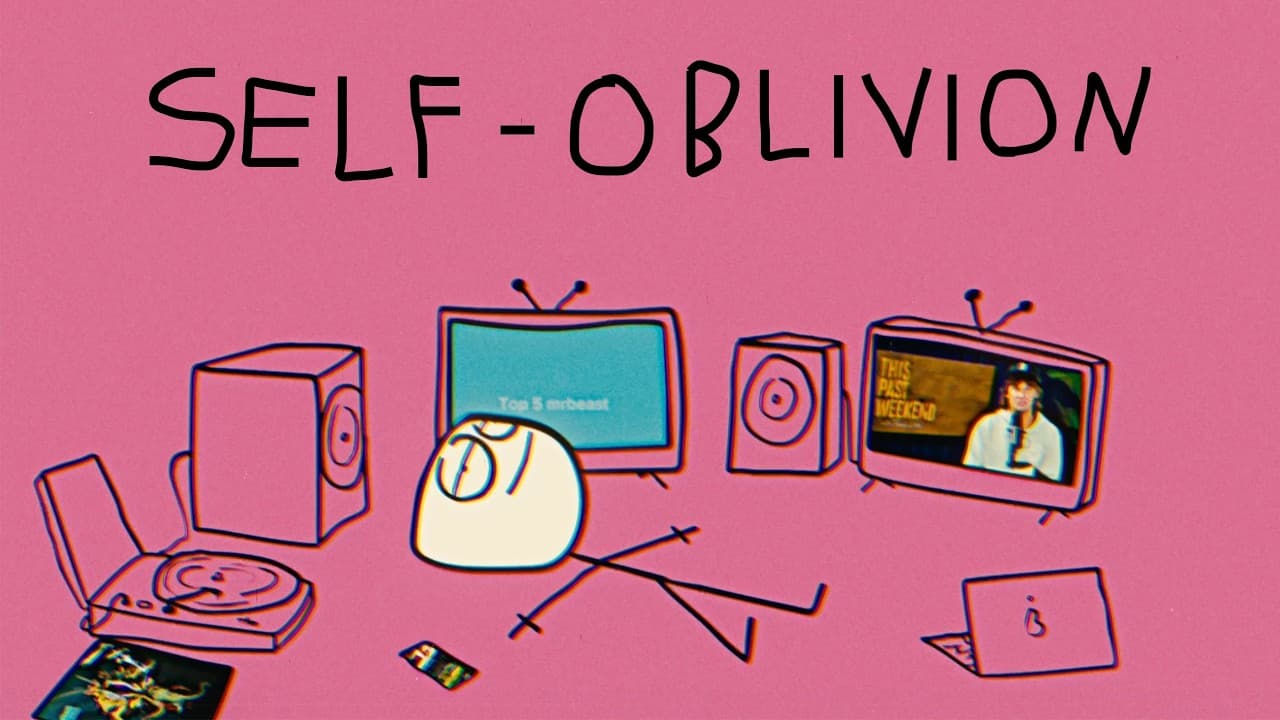
Repeated distraction offers temporary relief from anxiety, boredom, loneliness, and painful thoughts, but it can strengthen the habit of avoiding yourself. Freedom begins by tolerating stillness and confronting distress directly, because pain can reveal where meaning and worth feel threatened, while constant escape weakens the attention and resilience needed to address its source.
Transcript
It hits you suddenly. Rising anxiety, the pang of boredom, the burden of loneliness. Like any multisellular organism, you seek relief. That is, escape from whatever is hurting. But the pain resides within. And so cruy, you are forced to find methods that relieve you of your very own being. You grasp for disconnection, for numbness, for that tiny de... Read More
Key Insights
- The urge to escape is often directed at painful inner experience, not external circumstances. Anxiety, boredom, loneliness, grief, shame, and perceived impurity can make a person seek numbness because the source of discomfort seems to reside within consciousness itself.
- Temporary relief can intensify the original condition once distraction ends. Scrolling, substances, sex, and other diversions briefly tether attention to immediate impulses, but reality returns unchanged, leaving the person to confront both the initial pain and the consequences of avoidance.
- Pascal's concept of diversion describes distraction as existential avoidance. Gossip, politics, games, noise, and entertainment console people by preventing self-reflection, yet this consolation also becomes a major misery because it keeps them from seeking a more substantial response to their condition.
- The fear of interiority is connected to humanity's position between nothing and infinity. Silence can expose a sense of homelessness and insignificance, while constant podcasts, music, notifications, pornography, and online chatter create a protective stream of stimulation against that perceived void.
- Experiential avoidance is the psychological pattern of escaping or suppressing distressing thoughts, memories, and internal states. The transcript links chronic avoidance to the development and maintenance of poor mental health, including depression and anxiety, because short-term coping prevents authentic confrontation.
- Avoidance becomes self-reinforcing when every annoyance or moment of boredom prompts an escape behavior. Repetition teaches the person that diversion is effective, while gradually degrading the capacity to face difficult experiences and address the underlying source of pain.
- Sustained experiential avoidance is associated with greater sensitivity to adversity and poorer attention and working memory. These impairments make difficult situations harder to confront, encouraging further escape and creating a downward spiral between reduced capacity and increased avoidance.
- Stillness is presented as the path toward freedom from compulsive diversion. Sitting alone, walking without stimulation, going to bed without scrolling, and doing nothing allow pain to reveal threatened meaning and worth, while also connecting personal suffering to the shared condition of living creatures.
Install to Summarize YouTube Videos and Get Transcripts
Explore YouTube Video Summarizer or Get YouTube Transcript Extractor
Questions & Answers
Q: Why do people want to escape from themselves?
People want to escape from themselves when anxiety, boredom, loneliness, grief, shame, or a sense of inner impurity becomes difficult to tolerate. Because the distress appears inside consciousness, ordinary escape is impossible. They therefore seek self-oblivion through scrolling, substances, sex, noise, games, or other distractions that temporarily disconnect attention from painful thoughts and feelings.
Q: What is experiential avoidance?
Experiential avoidance is the tendency to escape, suppress, or inhibit distressing internal states, including painful memories, disturbing thoughts, and uncomfortable emotions. It provides short-term relief but can become chronic. The transcript links this pattern to the development and maintenance of depression and anxiety because avoidance prevents direct engagement with the source of distress and reinforces further escape.
Q: Why does distraction make emotional pain worse?
Distraction can make emotional pain worse because it changes attention without changing the underlying condition. When the temporary relief ends, the original anxiety, loneliness, boredom, or inadequacy remains. Repeated escape also teaches the mind that avoidance is an effective response, reducing the person's ability to confront difficulty and creating a feedback loop in which discomfort increasingly triggers more diversion.
Q: What did Pascal believe about diversion?
Pascal viewed diversion as the activity that consoles people for their miseries while also becoming one of their greatest miseries. Distractions prevent people from thinking honestly about themselves and their fragile place between nothing and infinity. They make time pass and protect against boredom, but they also prevent the search for more solid ways of addressing suffering and meaning.
Q: Why can silence and stillness feel frightening?
Silence and stillness can feel frightening because they remove the noise that normally shields people from their inner condition. Without podcasts, music, notifications, online chatter, pornography, or other stimulation, grief, shame, anxiety, and emptiness can become more noticeable. Pascal's image of infinite, silent space captures the terror of confronting human fragility without the protection of constant diversion.
Q: How does avoidance become a harmful habit?
Avoidance becomes harmful when every moment of annoyance, boredom, or distress is managed by reaching for a phone, a substance, or another diversion. Each instance reinforces the belief that escape works. Over time, the habit goes beyond numbing pain and weakens the capacity to face its source, making future adversity harder to tolerate and further avoidance more likely.
Q: How does experiential avoidance affect attention and resilience?
The transcript associates experiential avoidance with increased sensitivity to adversity, poor attention, and weaker working memory. These effects matter because confronting difficult experiences requires the ability to sustain attention, hold information in mind, and tolerate discomfort. When those capacities are impaired, challenges feel more overwhelming, which encourages another round of avoidance and deepens the downward spiral.
Q: How can someone stop trying to escape from themselves?
The proposed path is to stop running and deliberately practice stillness. A person can sit quietly alone, walk in a park, go to bed without scrolling, or simply do nothing. Remaining present with pain allows it to reveal where meaning and worth feel threatened. With time, this confrontation may create greater connection and replace temporary relief with genuine freedom.
Summary & Key Takeaways
-
Anxiety, boredom, loneliness, grief, and shame can provoke a desire to escape through scrolling, substances, sex, noise, or other distractions. These diversions briefly numb consciousness, but nothing fundamental changes. When relief fades, the original pain remains and may feel worse because another opportunity for honest confrontation has been avoided.
-
Pascal portrays diversion as both consolation and misery. People fill life with gossip, politics, games, media, and constant noise because silence exposes their fragile position between nothing and infinity. Diversion makes time pass comfortably, yet it prevents self-examination and carries people toward death without resolving their deeper existential distress.
-
Contemporary psychology calls this pattern experiential avoidance. Habitually suppressing distressing thoughts, memories, and emotions is linked in the transcript to depression, anxiety, adversity sensitivity, and impaired attention and working memory. The proposed alternative is deliberate stillness, allowing suffering to provide insight, connection, and a route toward freedom rather than temporary relief.
Read in Other Languages (beta)
Share This Summary 📚
Summarize YouTube Videos and Get Video Transcripts with 1-Click
Try YouTube Summary with ChatGPT & Claude or YouTube Transcript Generator
Explore More Summaries from Sisyphus 55 📚


Summarize YouTube Videos and Get Video Transcripts with 1-Click
Try YouTube Summary with ChatGPT & Claude or YouTube Transcript Generator