What Are the Key Challenges for Humanity's Future?

TL;DR
Humanity faces critical challenges in the 21st century, including population growth, climate change, and ecological degradation. To navigate these issues, we must promote sustainable agricultural practices, clean energy solutions, and responsible technology use, while remaining vigilant about the ethical implications of advancements like AI and genetic modification. Prioritizing long-term planning and innovation is essential for a viable future.
Transcript
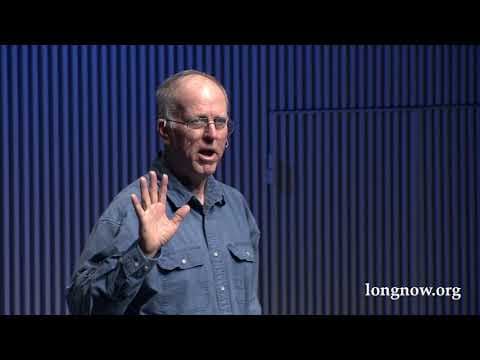
good evening I'm Alexander Rose I'm the executive director here at the long now foundation and just a few days ago we hit a big milestone in membership here at long now we finally surpassed ten thousand members that have signed up thank you and we we spent a lot of time figuring out who gets to be member ten thousand and so the answer we came up wi... Read More
Key Insights
- 🪡 Advances in technology offer great potential, but also pose risks that need to be carefully addressed.
- 🤔 Global threats, such as population growth, climate change, and ecological degradation, require collective action and long-term thinking.
- 🌐 Public engagement and political activism are vital for influencing policymakers and addressing global challenges.
- 👨🔬 Prioritizing research and development in clean energy and transformative technologies is crucial for a sustainable future.
- 🎙️ More videos with Martin Rees:
Install to Summarize YouTube Videos and Get Transcripts
Explore YouTube Video Summarizer or Get YouTube Transcript Extractor
Questions & Answers
Q: What are the main challenges that humanity faces in the future?
Some of the main challenges include population growth, climate change, ecological degradation, and the ethical implications of technological advancements.
Q: What are the potential benefits and risks associated with robotics, AI, and genetic modification?
These technologies offer the potential to enhance human capabilities and solve complex problems, but they also raise concerns about job displacement, ethical considerations, and unintended consequences.
Q: How can we address the global threats that humanity faces?
We need to think long-term, prioritize research and development in clean energy and sustainable practices, foster global cooperation, and make responsible choices to ensure a brighter future for humanity.
Q: How can the public influence policymakers to address these global threats?
Engaging with NGOs, blogging, journalism, and political activism are viable ways for the public to influence policymakers and raise awareness about important issues. It is crucial to create a sense of urgency and advocate for long-term, sustainable solutions.
Summary & Key Takeaways
-
Humanity is facing new challenges in the 21st century, with the ability to control the fate of the biosphere and transform into posthuman entities. We must be cautious and make wise choices to avoid irreversibly degrading our planet.
-
Population growth, climate change, and ecological destruction are significant threats, but can be mitigated through improved agricultural practices, sustainable energy sources, and responsible resource management.
-
Advances in technology, such as robotics, artificial intelligence, and genetic modification, offer great potential benefits, but also pose risks. It is crucial to navigate these technologies wisely and address ethical concerns to avoid unintended consequences.
-
Space exploration and colonization could offer a new frontier, but it is essential to prioritize research and development in clean energy and other transformative technologies to ensure a sustainable future for humanity.
Read in Other Languages (beta)
Share This Summary 📚
Summarize YouTube Videos and Get Video Transcripts with 1-Click
Try YouTube Summary with ChatGPT & Claude or YouTube Transcript Generator
Explore More Summaries from Long Now Seminars 📚





Summarize YouTube Videos and Get Video Transcripts with 1-Click
Try YouTube Summary with ChatGPT & Claude or YouTube Transcript Generator