How to Increase Your Metabolism: Effective Strategies?
TL;DR
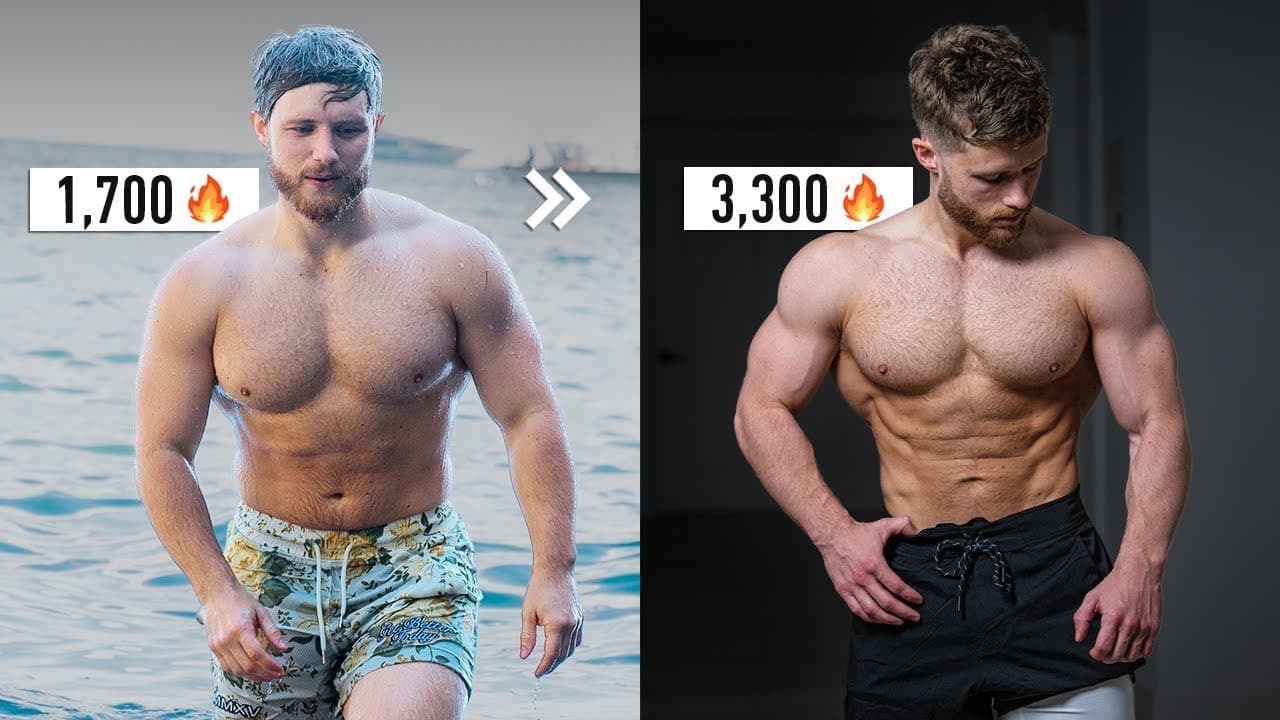
To effectively increase your metabolism, focus on building muscle, which burns more calories at rest, and consider activities that promote non-exercise activity thermogenesis (NEAT) like standing up or fidgeting. Drinking cold water and consuming spicy foods provide only minimal boosts, while methods like reverse dieting may not be necessary. Understanding your unique metabolism is crucial for optimizing fat loss.
Transcript
in this video I'm going to be answering the question of whether or not you can speed up your metabolism for example how many extra calories would you burn by drinking more water throughout the day muscle is metabolically active does that mean that building more muscle will increase your metabolic rate drinking green tea is supposed to boost metabol... Read More
Key Insights
- 🧑🏭 Metabolism varies significantly among individuals, and factors like genetics, body composition, and lifestyle influence caloric expenditure.
- 🥶 Cold water consumption offers a minimal caloric boost, but the overall effect on weight loss is questionable.
- 💪 Building muscle is one of the most effective ways to enhance metabolic rate due to increased muscle tissue.
- 🏋️ Cardio can help with weight loss, but its efficiency is often diminished by the body’s energy compensation mechanisms.
- ↩️ Reverse dieting is a debated strategy, and experts suggest simply returning to maintenance calories may be more effective.
- ☠️ Meal frequency does not significantly impact metabolic rates, contrary to popular beliefs.
- 🥳 Non-exercise activity, such as fidgeting and movement throughout the day, can substantially influence daily calorie burn.
Install to Summarize YouTube Videos and Get Transcripts
Explore YouTube Video Summarizer or Get YouTube Transcript Extractor
Questions & Answers
Q: How does drinking cold water affect metabolism?
Drinking cold water can slightly boost metabolism because the body expends energy to heat the cold water to body temperature. Each glass of cold water burns approximately eight calories, but while this might offer minor benefits, it’s unlikely to result in significant long-term fat loss if dietary habits aren’t also managed.
Q: Is drinking green tea effective for metabolism?
While green tea is often marketed as a metabolic booster, scientific evidence shows mixed results. Most studies indicate no significant effect on long-term fat loss, with occasional reports of minor benefits in energy expenditure. Thus, its impact on boosting metabolism may be limited and not reliably effective for weight management.
Q: Can building muscle truly increase metabolic rate?
Yes, building muscle does increase metabolic rate since muscle tissue is more metabolically active than fat. Research indicates that for each pound of muscle, an individual burns approximately six calories per day, compared to two calories for fat. Therefore, gaining muscle mass can significantly enhance overall energy expenditure.
Q: Does meal frequency influence metabolism?
Research suggests that meal frequency does not have a significant effect on metabolic rate. Studies comparing different eating patterns found no substantial differences in overall energy expenditure or fat loss. Therefore, focusing on total daily caloric intake may be more important than the number of meals consumed.
Q: What role does cardio play in metabolism?
Cardio exercises burn calories, contributing to weight loss; however, they may also lead to energy compensation, where the body subconsciously reduces non-exercise activity. This means that the actual increase in daily caloric expenditure may be lower than expected, making diet a more critical factor in weight management.
Q: What is reverse dieting, and does it work?
Reverse dieting involves gradually increasing caloric intake after a diet to rebuild metabolism. While some anecdotal evidence suggests it may help maintain weight, skepticism remains around its necessity. Most experts agree returning directly to maintenance calories is effective, with more balance possible afterward.
Q: How important is non-exercise activity in boosting metabolism?
Non-exercise activity plays a vital role in maintaining a healthy metabolism. Simple actions like walking or taking the stairs can contribute significantly to daily caloric burn. Integrating more movement into daily routines can effectively enhance energy expenditure, making it a practical strategy for weight management.
Q: Can water intake lead to weight loss?
While drinking water can promote satiety and reduce caloric intake, the actual metabolic boost from water consumption is modest. Hydration can contribute to feeling full at meals but shouldn't be relied upon solely for weight loss. Incorporating it as part of a balanced diet is advisable.
Summary & Key Takeaways
-
The video examines whether common strategies such as drinking water, consuming green tea, or eating spicy foods can effectively speed up metabolism, providing scientific insights into these practices.
-
It highlights individual differences in metabolic rates, emphasizing that factors like building muscle have a significant impact on caloric burn and overall metabolism efficiency.
-
The creator asserts that while certain methods like cardio and maintaining activity levels can support weight loss, the key strategies for boosting metabolism vary in effectiveness, and personalized approaches are essential.
Read in Other Languages (beta)
Share This Summary 📚
Summarize YouTube Videos and Get Video Transcripts with 1-Click
Try YouTube Summary with ChatGPT & Claude or YouTube Transcript Generator
Explore More Summaries from Jeff Nippard 📚

Summarize YouTube Videos and Get Video Transcripts with 1-Click
Try YouTube Summary with ChatGPT & Claude or YouTube Transcript Generator