Why Is Trump Like a Movie Set Designer in Office?
TL;DR
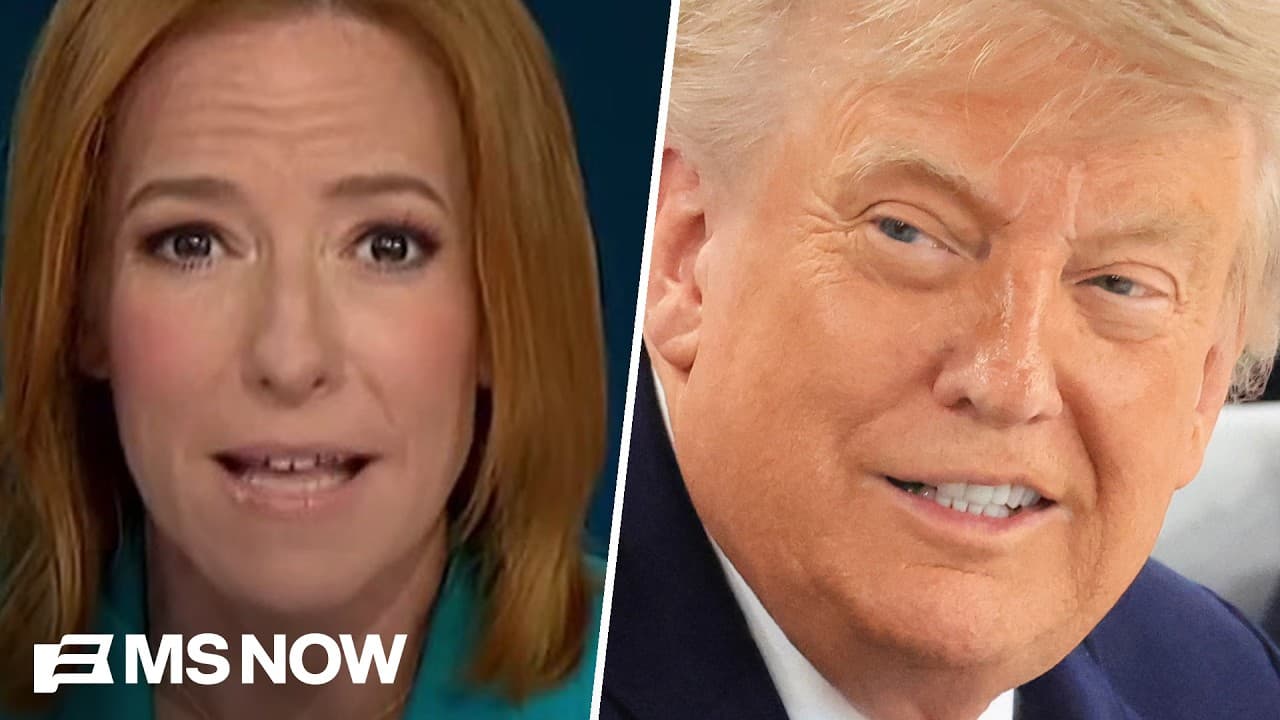
Trump is portrayed as prioritizing appearances and personal projects over governing duties, with the presidency treated like a production. The analysis points to a pattern of surrounding himself with loyal aides and focusing on aesthetics such as a ballroom and a custom jet. This framing suggests governance as showmanship rather than policy execution.
Transcript
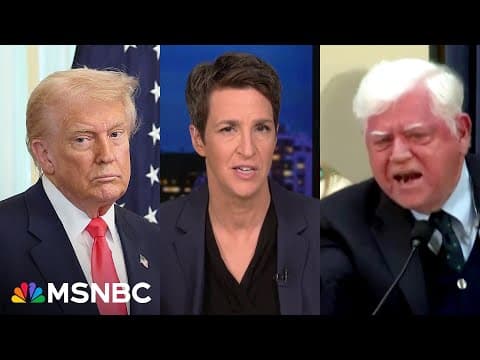
in just a moment, I'm going to talk to Senator John Ossoff. And you may already be tracking all of this. You probably are if you're online, but maybe you've had a busy workday. Who knows? But Senator Ossoff caused quite a stir this this weekend during a speech in Georgia when he said this about the president's priorities right now. While th... Read More
Key Insights
- Trump is described as prioritizing image and production over governance.
- Ossoff’s claim centers on Trump preferring travel and social optics to the job itself.
- Aides like Natalie Harp are depicted as shaping the president and the public narrative.
- Trump is portrayed as the set designer in chief, aiming for a visual grandeur.
- There is a theme of large, showy renovations and displays rather than practical fixes.
- The narrative contrasts reality of policy with cinematic presentation of leadership.
- The piece suggests a preference for loyalty and dramatization in decision making.
- The description frames Trump’s actions as guided by what looks good on camera rather than strategic policy outcomes.
- More videos from this channel:
- More from this channel: MS NOW
Install to Summarize YouTube Videos and Get Transcripts
Explore YouTube Video Summarizer or Get YouTube Transcript Extractor
Questions & Answers
Q: A real search query question about the video (e.g. 'How to...', 'What is...', 'Why does...', 'When should...'). Question 1
Why does the portrayal present Trump as more focused on a ballroom, a jet, and hotel like renovations than on executive responsibilities? The discussion argues that the president surrounds himself with loyal aides and treats major decisions as production choices, implying governance is a stage show rather than a straightforward administration.
Q: Question 2
What role does Natalie Harp play in the narrative about Trump’s presidency, according to the transcript? She is described as a close aide who writes letters to Trump, shaping personal and political messaging, and is portrayed as influencing how the president is seen, contributing to a narrative of loyalty and intimate influence.
Q: Question 3
How is the concept of the White House renovation described in the video? The description casts it as a symbol of Trump treating the presidency as a production, with a ballroom being a centerpiece and the Oval Office described as neglected, framing architectural changes as part of showmanship.
Q: Question 4
What does the transcript say about Trump’s approach to military assets like aircraft carriers? It suggests a priority on appearance and branding, discussing alleged redesigns to look more like World War II era ships, which would take time and money, reflecting a focus on aesthetics over operational concerns.
Q: Question 5
How are the other aides described in relation to Trump’s decision making? The text portrays them as devoted sycophants who participate in the administration while emphasis is placed on loyalty and appearances rather than expertise, implying a governance style driven by personal allegiance.
Q: Question 6
What is the suggested implication of Trump’s handling of joint military exercises with South Korea and negotiations with Iran, according to the transcript? The piece portrays these moves as driven by personal branding and showmanship, potentially undermining strategic alliances and practical diplomacy for dramatic effect.
Q: Question 7
What is the overall characterization of Trump in the video? The transcript describes him as someone who operates like a film production designer and casting director, focusing on creating a grand spectacle, with decision making framed as building a narrative rather than solving policy problems.
Q: Question 8
How does the video connect Ossoff’s comments to Trump’s day to day leadership? It links Ossoff’s claim about preferring a travel partner over the presidency to a broader pattern of Trump’s administration being guided by image, showmanship, and loyalty rather than technical governance.
Summary & Key Takeaways
-
Trump is portrayed as treating the presidency as a production, prioritizing showy renovations and equipment over core duties. The narrative argues his inner circle resembles a film crew and cast, emphasizing loyalty and optics over substance. The result is a portrayal of governance as spectacle.
-
The analysis highlights Natalie Harp and other aides as central figures in shaping presidential storytelling, including letters and influence. It argues this dynamic shifts focus away from policy and toward personal branding and dramatic displays.
-
The discussion links specific episodes, such as aircraft carrier conditions and military exercises, to a larger theme: decisions driven by image and narrative rather than straightforward governance, suggesting the presidency is a stage for performance.
Read in Other Languages (beta)
Share This Summary 📚
Summarize YouTube Videos and Get Video Transcripts with 1-Click
Try YouTube Summary with ChatGPT & Claude or YouTube Transcript Generator
Explore More Summaries from MS NOW 📚

Summarize YouTube Videos and Get Video Transcripts with 1-Click
Try YouTube Summary with ChatGPT & Claude or YouTube Transcript Generator