How did Trump handle intelligence briefings and info?
TL;DR
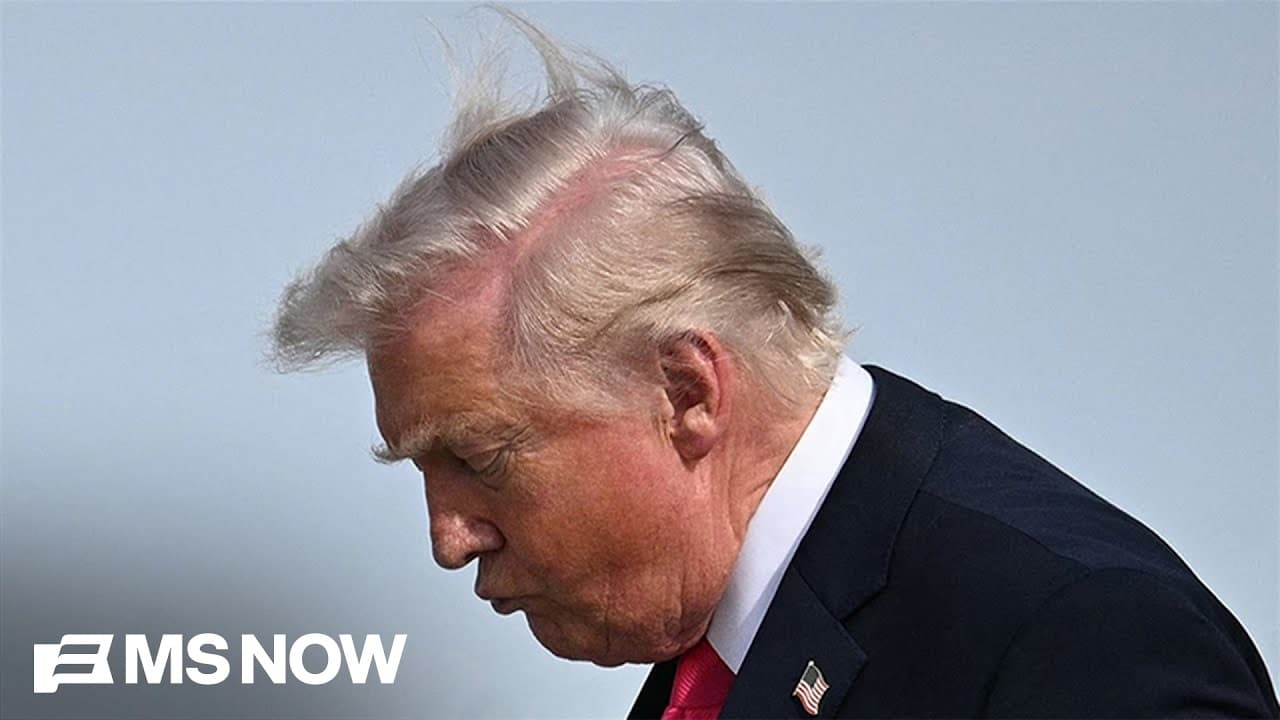
The insider states that Trump did not read much and relied on briefers who ensured he heard the message. Intelligence must present the full picture and potential consequences even if uncomfortable, and mishandling top level information undermines the system and risks lives and alliances. The clip frames accountability, responsibility, and the human costs of decisions driven by top leadership.
Transcript
Does Donald Trump consume intelligence on a regular basis, or did he when you were there? It was not my experience that he read much, and we had some really good briefers. So remember, when you walk into the Oval Office, your job is to really make sure that what you need to say gets heard. Mm-hmm. And so we had really good briefers that were good a... Read More
Key Insights
- The state of briefings hinges on briefers making sure the message is heard, not just delivered, underscoring the need for clear, repeatable communication.
- The speaker argues that a great foundation of intelligence requires awareness of history and potential second order effects to guide decisions.
- The president is described as an epic fail in both understanding and safeguarding intelligence, risking dissemination and misinterpretation.
- Intelligence value depends on presenting what is, not what is preferred, and being willing to be inconvenient in retelling it.
- There is a systemic risk when the top leadership does not take responsibility for national defense information and its implications.
- The deterioration of talent and morale within intelligence communities is linked to leadership behavior and perceived disregard for consequences.
- Efforts to protect sources and methods are undermined when information is casually disclosed or mishandled by leaders.
- Trust with allies and partners can erode if sensitive information is exposed or not properly safeguarded by the top decision maker.
- More videos from this channel:
- More from this channel: MS NOW
Install to Summarize YouTube Videos and Get Transcripts
Explore YouTube Video Summarizer or Get YouTube Transcript Extractor
Questions & Answers
Q: What does the veteran say about how briefings were conducted in the Oval Office?
The veteran explains that briefers worked hard to ensure the president heard what needed to be said, and they did not leave the room until they were convinced he understood. This implies a hands on, persistent approach to briefing, where clarity and comprehension were prioritized, but it also suggests limitations in the president’s engagement with the deeper context or long term implications.
Q: Why does the speaker say the Iran war is a warning example?
The speaker argues that many aspects of the Iran war were knowable in advance. The lesson is that intelligence should have informed decisions and warned of second order effects, yet the outcome shows that self evident risks can be overlooked or mishandled when the top leader does not integrate intelligence with policy planning.
Q: What is said about the Mar a Lago documents in relation to leadership responsibility?
The speaker calls the handling of the documents an epic fail at both levels of responsibility: failing to understand the impact and being casual with sensitive information. This underscores a profound risk to national defense, partners, and intelligence community morale when top leaders do not treat information as uniquely consequential.
Q: How does the transcript describe the top leader’s effect on intelligence value?
According to the transcript, when the top leader does not value or understand intelligence, it degrades the system. The role of intelligence is to reveal what is true and potentially inconvenient, and if the leader ignores or dismisses that, the entire intelligence apparatus loses credibility and effectiveness.
Q: What does the speaker say about sharing information with the president?
The speaker asserts that withholding crucial information is not an option, because the system is designed so that the intelligence community presents the full picture. The responsibility is to inform, not to tailor the message to fit a preferred narrative, and this is essential for responsible decision making.
Q: What is described as a consequence of intelligence being mishandled at the top?
A key consequence is weakened alliances and a reduced ability to act globally, since partners may lose trust if sensitive information is exposed or mishandled. There is also the risk of wrong or delayed decisions, and the erosion of morale among intelligence professionals who feel the system no longer protects them or the truth.
Q: What does the interview say about the human element in intelligence work?
The interview emphasizes the humans who gather and protect intelligence, noting that their lives are at stake and that their work is de facto at risk when information is exposed. It highlights the need for leaders to safeguard people and methods, recognizing that policy should be informed by the full, sometimes uncomfortable truth.
Q: How does the speaker contrast truth with leadership preferences?
The speaker argues that intelligence must remember its job is to see what is rather than what is preferred. If leaders favor what they want to hear, intelligence loses its value, because the picture seen by the decision makers becomes distorted and is no longer a reliable basis for policy.
Summary & Key Takeaways
-
A seasoned former official explains that briefers were persistent to ensure Trump heard essential points, but that a lack of deep engagement with the global picture limited his understanding and influenced decisions. The discussion points to systemic risks when leaders do not grasp or respect intelligence.
-
The conversation highlights the Iran situation as an example of predictable outcomes that could have been foreseen with better use of intelligence, and it condemns careless handling of sensitive information as endangering lives and weakening alliances.
-
The interview emphasizes that intelligence must prioritize truth over convenience, insisting that the top leader bears responsibility for how information is used and communicated, otherwise the entire decision process suffers and trust erodes across the system.
Read in Other Languages (beta)
Share This Summary 📚
Summarize YouTube Videos and Get Video Transcripts with 1-Click
Try YouTube Summary with ChatGPT & Claude or YouTube Transcript Generator
Explore More Summaries from MS NOW 📚



Summarize YouTube Videos and Get Video Transcripts with 1-Click
Try YouTube Summary with ChatGPT & Claude or YouTube Transcript Generator