How did Kimmel use YouTube to counter censorship and boost interview reach?
TL;DR
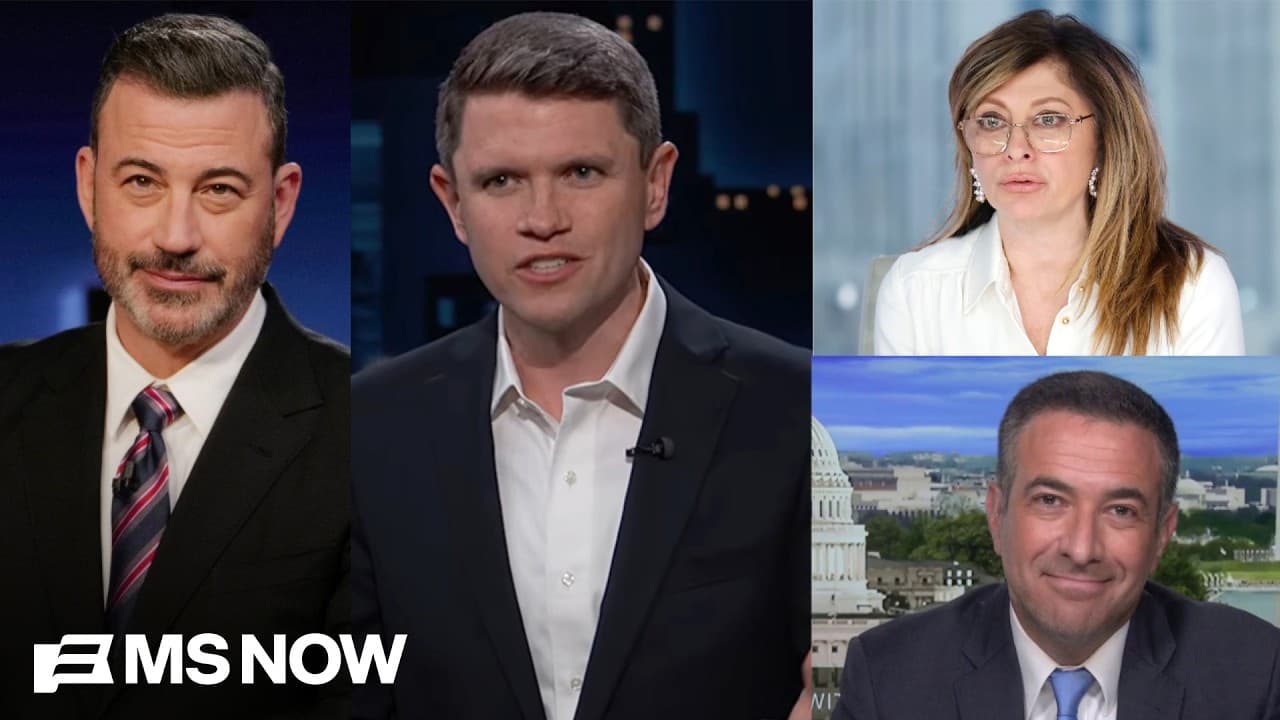
Kimmel used YouTube to publish the Tallarico interview after FCC pressure on traditional TV, highlighting censorship concerns. The TV broadcast drew about 1.8 million viewers, while the YouTube version surpassed 4 million views and is still growing, potentially tripling the audience compared to the TV slot.
Transcript
as the trump administration and the repuicans have struggled with basically the midterm problems we mentioned earlier tonight and what they perceive is negative coverage of how trump's doing what a lot of americans see as accurate stories about how things are going we're seeing more and more pressure on the media and censorship which is st... Read More
Key Insights
- The key to challenging censorship is expanding distribution to non traditional platforms like YouTube, which can bypass conventional regulatory constraints and broaden audience reach.
- Kimmel used the Tallarico interview to demonstrate potential government or corporate attempts to influence editorial choices, framing the move as a fight for free access to political dialogue.
- TV viewership for the Tallarico interview was around 1.8 million, while the YouTube version rapidly exceeded 4 million views, indicating substantial audience migration to online platforms.
- Censorship concerns are tied to perceived threats from political figures toward media outlets, suggesting a deeper conflict about who gets to decide which voices are heard.
- The incident highlighted tensions between entertainment formats and political coverage, as late night comedy intersects with news interviews and scrutiny of editorial independence.
- The White House response and FCC actions were presented as contested claims, with some denials contrasted by reported pressure and licensing disputes affecting ABC and Fox News.
- The Tallarico campaign was framed as a broader story about working people uniting against political and media elites, influencing public perception of the race in Texas.
- Despite claims of censorship, the online interview achieved substantial reach, underscoring the potential of alternative channels to counteract attempts to restrict political content.
- More videos from this channel:
- More from this channel: MS NOW
Install to Summarize YouTube Videos and Get Transcripts
Explore YouTube Video Summarizer or Get YouTube Transcript Extractor
Questions & Answers
Q: A real search query question about the video (e.g. 'How to...', 'What is...', 'Why does...', 'When should...'). Question 1
Kimmel alleged that the Trump administration threatened him and ABC over airing an interview with James Tallarico, suggesting that political pressure targeted media editorial decisions. The discussion centers on whether such pressure constitutes censorship and how it affects the availability of political content across platforms and networks.
Q: Question 2
The interview with Tallarico was made available on YouTube after concerns about FCC interference with traditional airtime. This shift demonstrates how online platforms can bypass conventional regulatory reach, allowing audiences to access political content that might have been limited on scheduled TV slots.
Q: Question 3
What evidence is presented to support censorship claims? The report cites the alleged threat to ABC and the FCC's involvement as factors indicating attempts to suppress Tallarico coverage. It also notes the contrast between TV and YouTube viewership figures as a metric of reach.
Q: Question 4
How did viewership compare between TV and YouTube for the Tallarico interview? TV viewership was about 1.8 million, while the YouTube version surpassed 4 million views within a day, illustrating a significant audience shift toward online platforms.
Q: Question 5
What is the broader political context given in the video description and transcript? The piece situates censorship debates around Fox News leadership changes and White House pressure, linking editorial independence with a larger narrative about media control and political influence.
Q: Question 6
How does the report portray the Tallarico campaign in Texas? It suggests the campaign is gaining traction by presenting a message of working people uniting across party lines, which could threaten incumbents and influence coverage dynamics in the Texas race.
Q: Question 7
What role does YouTube play in disseminating political content according to the video? YouTube is portrayed as a platform that can circumvent traditional editorial constraints, enabling rapid dissemination and broader reach for interviews that may be restricted on broadcast networks.
Q: Question 8
How are assertions about censorship balanced with denial from the White House and networks? The transcript notes denials alongside reports of licensing disputes and public statements by various actors, presenting a contested narrative about whether censorship occurred and who bears responsibility.
Summary & Key Takeaways
-
Kimmel faced alleged government pressure over editorial decisions and responded by posting the Tallarico interview on YouTube, arguing that censorship risks undermine democratic discourse and reach.
-
The situation involved clashes among the Trump administration, FCC, ABC, and Fox News, with broader implications about who controls what audiences see on different platforms and how networks react to political pressure.
-
The story contrasts traditional TV limits with online video freedom, showing how a strategic move to YouTube can dramatically expand viewership and challenge attempts to suppress coverage on a given network.
Read in Other Languages (beta)
Share This Summary 📚
Summarize YouTube Videos and Get Video Transcripts with 1-Click
Try YouTube Summary with ChatGPT & Claude or YouTube Transcript Generator
Explore More Summaries from MS NOW 📚
Summarize YouTube Videos and Get Video Transcripts with 1-Click
Try YouTube Summary with ChatGPT & Claude or YouTube Transcript Generator