How to Score Band 9 in IELTS Speaking
TL;DR
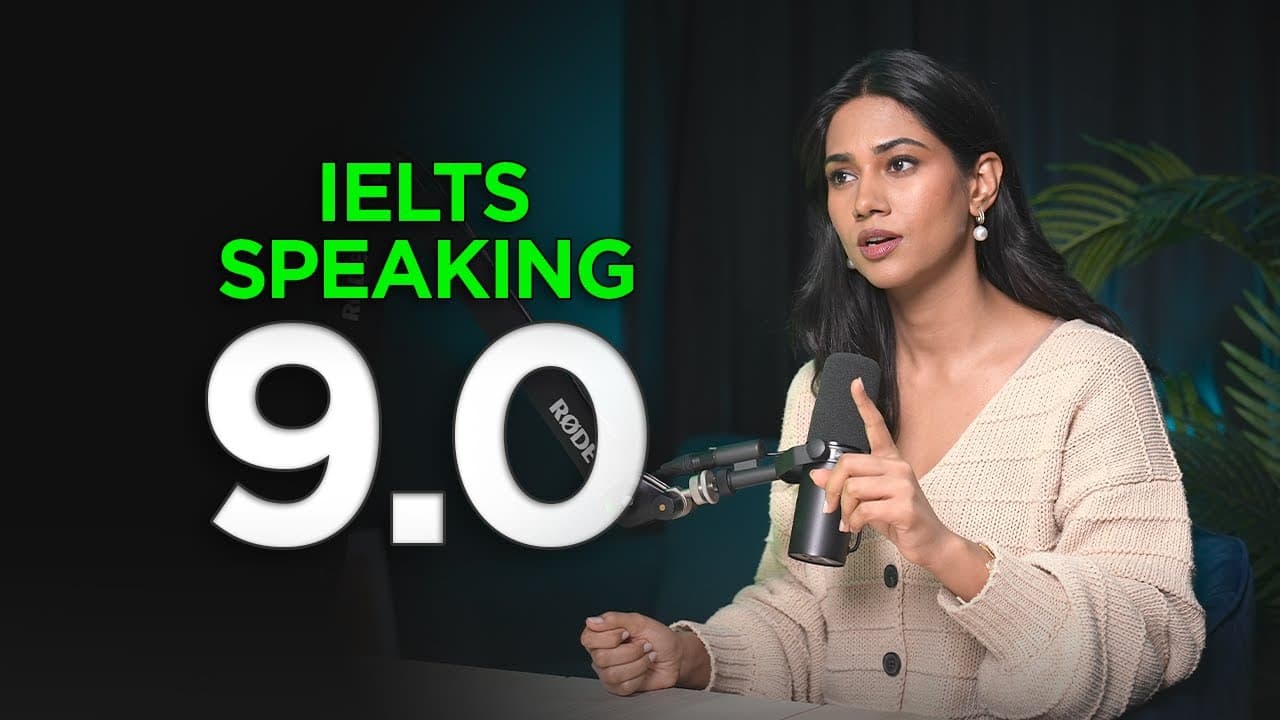
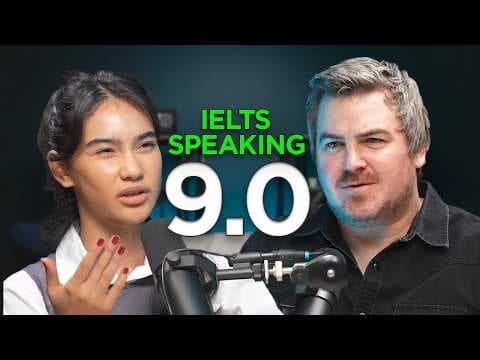
Scoring a Band 9 in IELTS Speaking requires focusing on grammar, vocabulary, pronunciation, and fluency rather than superficial tips like greeting the examiner or using body language. Official sources confirm that charm or memorized phrases don't impact scores. Prioritize authentic communication and mastering common and idiomatic language naturally.
Transcript
We researched the seven most popular IEL speaking tips and tricks so you don't have to. We're going to show you what those seven tips do and whether they increase your score or lower your score. And we're also going to show you what IDP and the British Council say about these seven tips so you can go and do the speaking test with complete confidenc... Read More
Key Insights
- IELTS examiners do not assess candidates during the initial greeting; focus on the main parts of the test.
- Body language and eye contact do not affect IELTS speaking scores; focus on verbal communication.
- The speaking test is the same for both academic and general training, focusing on communication skills.
- Using advanced vocabulary without understanding can lower scores; focus on mastering common words.
- Memorizing phrases or answers is discouraged; examiners can easily spot memorized content.
- Idiomatic language includes phrasal verbs and slang, not just idioms; use naturally and accurately.
- IELTS Speaking Part 2 bullet points are guidelines; focus on the main topic and speak naturally.
- Examiners assess fluency, coherence, and ability to handle unexpected topics, not memorized responses.
Install to Summarize YouTube Videos and Get Transcripts
Explore YouTube Video Summarizer or Get YouTube Transcript Extractor
Questions & Answers
Q: How to greet the examiner in IELTS Speaking?
Greeting the examiner in IELTS Speaking does not impact your score. The initial greeting, or 'Part 0', is not assessed. Focus on being polite and relaxed to ease into the test, but prioritize preparing for the main test sections.
Q: Does body language affect IELTS Speaking scores?
Body language does not affect IELTS Speaking scores. Examiners focus on grammar, vocabulary, pronunciation, and fluency. While confident body language might help you feel more relaxed, it is not part of the evaluation criteria.
Q: Should I use advanced vocabulary in IELTS Speaking?
Using advanced vocabulary can harm your score if used incorrectly. Focus on mastering common words and using advanced vocabulary only when fully understood. Misuse can lower your fluency and vocabulary scores.
Q: Is it helpful to memorize answers for IELTS Speaking?
Memorizing answers is discouraged as examiners can easily spot memorized content. It is more effective to practice speaking naturally and be prepared to discuss a range of topics, focusing on fluency and coherence.
Q: How important are idioms in IELTS Speaking?
Idiomatic language, including phrasal verbs and slang, is important but should be used naturally. Overusing or misusing idioms can lower your score. Focus on sounding natural and correct, as native speakers would.
Q: How to approach IELTS Speaking Part 2 bullet points?
Use bullet points in IELTS Speaking Part 2 as a guide, but focus on speaking naturally about the main topic. This approach helps maintain fluency and coherence, avoiding panic if bullet points are quickly exhausted.
Q: What should I do if I get an unexpected topic in IELTS Speaking?
If you encounter an unexpected topic, explain your lack of knowledge clearly. This demonstrates your communication ability. Examiners assess a range of topics, so one difficult question won't ruin your score.
Q: What is idiomatic language in IELTS Speaking?
Idiomatic language includes words and expressions that sound natural to native speakers, such as phrasal verbs and slang. It is not just idioms. Use idiomatic language naturally and accurately to enhance your score.
Summary & Key Takeaways
-
IELTS Speaking scores are based on grammar, vocabulary, pronunciation, and fluency. Greeting the examiner or using body language doesn't affect scores. Focus on verbal skills and authentic communication.
-
Using advanced vocabulary without understanding can harm your score. Memorizing answers or phrases is ineffective as examiners are trained to spot them. Prioritize natural, idiomatic language use instead.
-
In Speaking Part 2, use bullet points as a guide but focus on speaking freely about the main topic. This approach helps maintain fluency and coherence, avoiding panic if bullet points are exhausted.
Read in Other Languages (beta)
Share This Summary 📚
Summarize YouTube Videos and Get Video Transcripts with 1-Click
Try YouTube Summary with ChatGPT & Claude or YouTube Transcript Generator
Explore More Summaries from IELTS Advantage 📚

Summarize YouTube Videos and Get Video Transcripts with 1-Click
Try YouTube Summary with ChatGPT & Claude or YouTube Transcript Generator