How Did Julia Child Transform American Cooking?
TL;DR
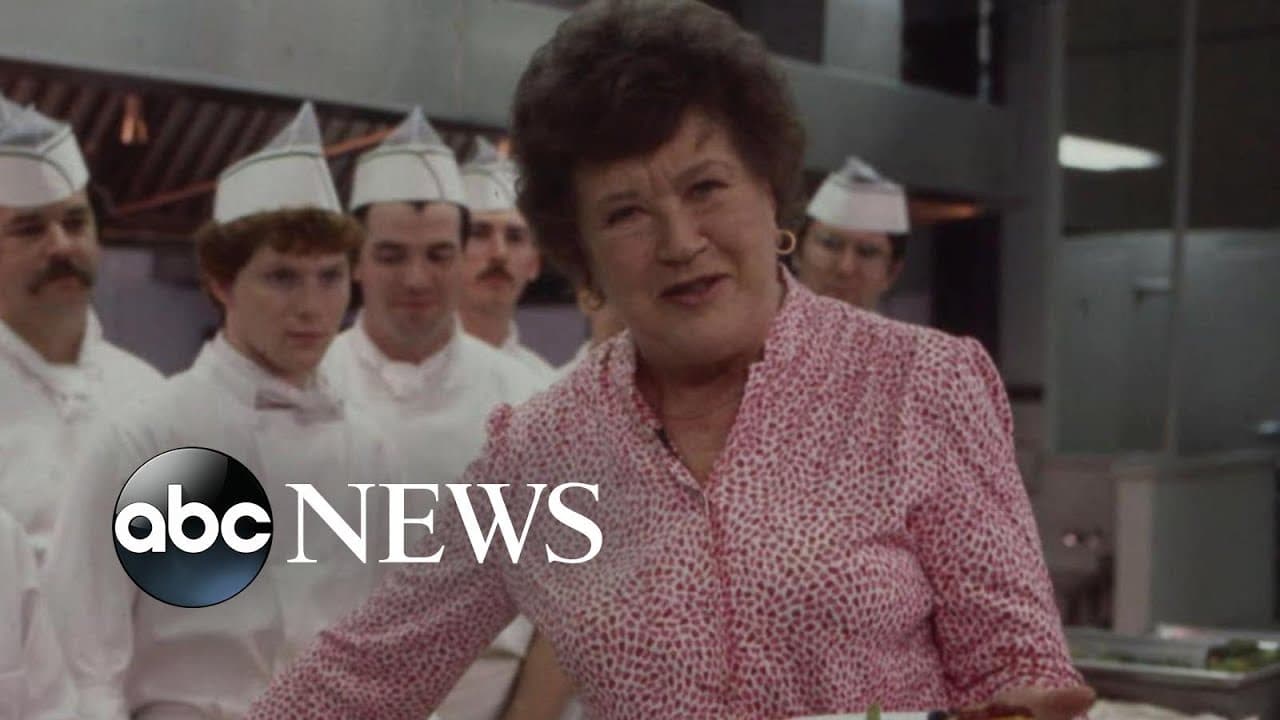
Julia Child transformed American home cooking by introducing French cuisine through an accessible cookbook and an influential public television program. Beginning her television career in middle age, she made mistakes openly, challenged expectations for women, supported greater female representation in professional kitchens, and remained a compelling television personality into her 80s.
Transcript
long before rock star chefs like rachel ray there you go make your own take out before i negarten lobster mac and cheese iron chef bobby flake even before the food network's iron chef there was the french chef welcome to the french chef i'm julia child culinary icon julia child a pioneer in the history of television we're making the stew of stews a... Read More
Key Insights
- Julia Child fundamentally changed American food culture by introducing home cooks to unfamiliar foods and French culinary methods. The documentary portrays the period before her influence as a culinary wasteland and credits her with disrupting how Americans understood and prepared food at home.
- Julia Child's passion for French cuisine began after she moved to France with her husband, Paul Child. Their first French meal, including sole meunière, became a profound awakening that inspired her to pursue formal culinary education at Le Cordon Bleu in Paris.
- Professional cooking was dominated by men when Julia Child began training. European male instructors often treated women poorly, and many women believed they could not earn a living in food, making Child's entry into culinary education and eventual public success especially significant.
- "Mastering the Art of French Cooking" nearly failed to reach readers because a publisher rejected the completed draft. The rejection letter suggested that an American wife might find the substantial cookbook frightening, despite the work later selling more than 1.5 million copies.
- "The French Chef" emerged after Julia Child demonstrated how to make an omelet during a Boston public television appearance. Viewers responded with letters asking the station to create a cooking program, leading WGBH to build a show around her engaging and practical teaching style.
- Julia Child made imperfection part of effective television by remaining calm when recipes or techniques went wrong. Rather than hiding bloopers, she showed viewers that mistakes could be corrected, reinforcing her advice that cooks need courage in their convictions.
- Julia Child became a female television sensation beginning in her 50s, when women on television were often treated mainly as visual showcases. Her freckles, changing hairstyle, middle age, knowledge, and distinctive personality challenged conventional expectations about who could command an audience.
- Julia Child supported women beyond her own career by asking why restaurant kitchens lacked female workers. Although she did not describe herself as a feminist, the documentary connects her achievements and advocacy, including her forceful support for Planned Parenthood, with the broader feminist movement.
- More videos from this channel:
- More from this channel: ABC News
Install to Summarize YouTube Videos and Get Transcripts
Explore YouTube Video Summarizer or Get YouTube Transcript Extractor
Questions & Answers
Q: How did Julia Child change American home cooking?
Julia Child changed American home cooking by introducing viewers and readers to French cuisine, unfamiliar foods, and more ambitious culinary techniques. Her work helped disrupt what the documentary describes as a weak American food culture. Through her cookbook and television teaching, she made sophisticated cooking approachable while encouraging people to proceed confidently, even when mistakes occurred in the kitchen.
Q: What inspired Julia Child to study French cooking?
Julia Child's interest in French cooking was ignited after she married Paul Child and moved to France. Their first meal there, particularly the sole meunière, was a major awakening for her. That experience led her toward formal training at Le Cordon Bleu in Paris, where she entered a culinary discipline controlled largely by European male chefs.
Q: What barriers did Julia Child face in culinary school?
Julia Child entered professional culinary training when the field was dominated by men. At Le Cordon Bleu in Paris, the teachers were European male chefs who generally did not want women in their kitchens, and women were treated poorly. The broader culture also discouraged women by suggesting they could not build paid careers in food preparation.
Q: Why was Mastering the Art of French Cooking important?
"Mastering the Art of French Cooking" became Julia Child's legendary cookbook and eventually sold more than 1.5 million copies. Its publication was not assured, because a publisher rejected the completed draft and suggested American wives could be frightened by such a substantial book. Its eventual success demonstrated that American readers were receptive to detailed French cooking instruction.
Q: How did Julia Child get her television cooking show?
Julia Child appeared at WGBH, Boston's public television station, and prepared an omelet in a proper omelet pan. The program's host was impressed by the omelet's lightness and flavor. After the segment aired, the station received many viewer letters asking for a cooking program, and that enthusiastic response led to the creation of "The French Chef."
Q: Why did Julia Child show cooking mistakes on television?
Julia Child showed mistakes because she was unfiltered and did not become rattled when something went wrong. She demonstrated that a cook could pick up food, correct a problem, and continue, especially when working alone without an audience in the kitchen. Her relaxed response to bloopers made cooking appear less intimidating and emphasized confidence over flawless performance.
Q: How did Julia Child challenge expectations for women on television?
Julia Child became a television sensation as a middle-aged woman beginning in her 50s, during a period when women on television were often presented mainly as decorative figures. She did not fit a conventional beauty standard, yet audiences were captivated by her expertise and personality. Her success demonstrated that authority, humor, and enthusiasm could outweigh narrow expectations about appearance.
Q: What causes and opportunities for women did Julia Child support?
Julia Child drew attention to women's limited presence in professional kitchens by asking restaurant staff where the women were whenever she toured their kitchens. Although she never called herself a feminist, the documentary presents her as important to the feminist movement. She also spoke forcefully in support of Planned Parenthood and abortion rights despite the risk of public controversy.
Summary & Key Takeaways
-
Julia Child discovered her passion for French cuisine after moving to France with her supportive husband, Paul Child. A memorable first meal inspired her to study at Le Cordon Bleu in Paris, where she entered a male-dominated discipline and encountered the barriers facing women who wanted careers in professional food preparation.
-
Child co-authored "Mastering the Art of French Cooking," but its path to publication was difficult. After a publisher rejected the completed draft, a television appearance featuring her preparation of an omelet generated enthusiastic viewer letters. That response led Boston public television station WGBH to create "The French Chef."
-
On television, Child captivated audiences as an unfiltered middle-aged woman who treated kitchen mistakes with humor instead of embarrassment. She also questioned the absence of women in restaurant kitchens and advocated for Planned Parenthood. After PBS tried to sideline her, she continued appearing on television into her 80s and kept challenging expectations.
Read in Other Languages (beta)
Share This Summary 📚
Summarize YouTube Videos and Get Video Transcripts with 1-Click
Try YouTube Summary with ChatGPT & Claude or YouTube Transcript Generator
Explore More Summaries from ABC News 📚



Summarize YouTube Videos and Get Video Transcripts with 1-Click
Try YouTube Summary with ChatGPT & Claude or YouTube Transcript Generator