How did Colin Kaepernick become a civil rights icon?
TL;DR
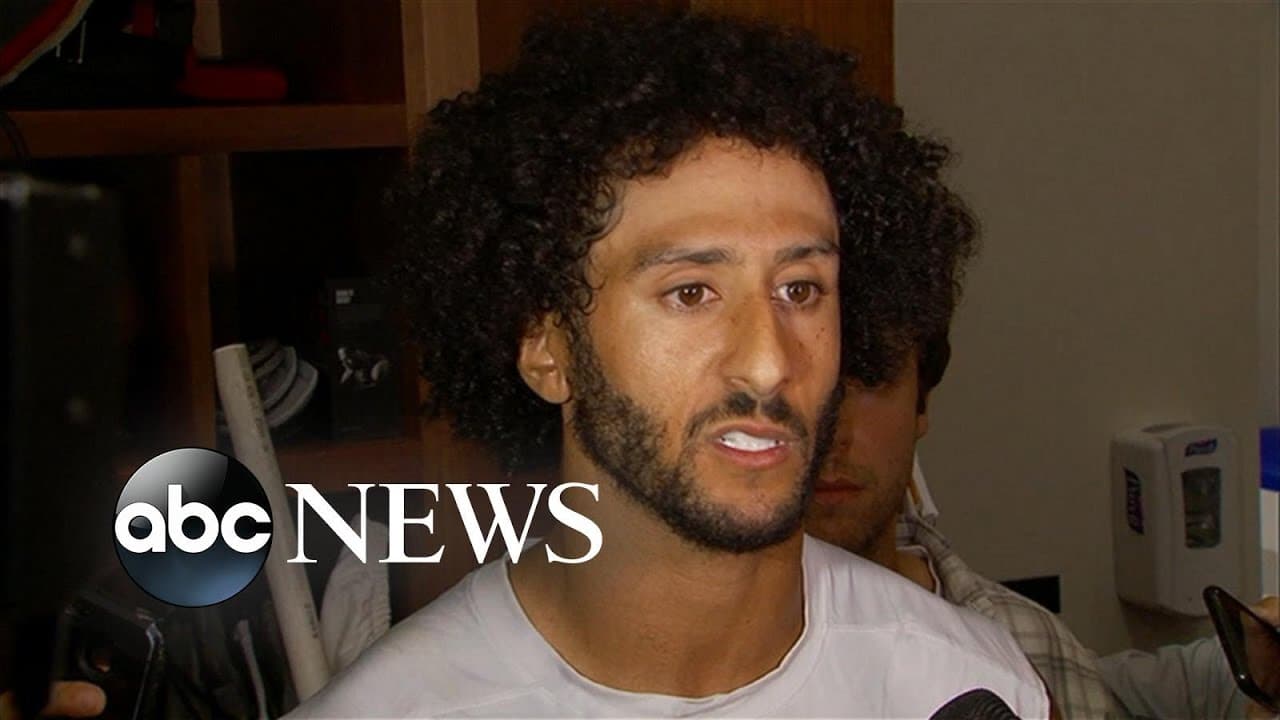
Kaepernick used a quiet kneel during the national anthem to protest police brutality and racial inequality, turning his stance into a national conversation. The move provoked fierce backlash, cost him an NFL roster spot, but it positioned him as a conscience for a generation and intensified discussions about justice in sports and society.
Transcript
we have tops that are murdering people and that's the issue that needs to be addressed to me he was an athlete who really understood what was going on in the country just a few years ago Colin Kaepernick was arguably a top 10 quarterback in the NFL it looked like he was going to be one of the best in the game on the biggest stage in sports with mil... Read More
Key Insights
- Kaepernick knelt during the national anthem to protest police brutality, making his stance a public focal point.
- The protest was explicitly about racial inequality and not about the military, the flag, or the anthem.
- Kaepernick was released by the 49ers after the 2016 season, leading to claims he was blacklisted by NFL owners.
- The controversy highlighted a clash between athletic careers and social activism within major leagues.
- Presidents and notable figures weighed in, amplifying the national debate on athletes protest symbolism and consequences.
- The kneeling controversy returned to prominence after George Floyds death, renewing discussions across sports and society.
- The movement linked past civil rights actions to present struggles against police violence and systemic racism.
- Colin Kaepernick’s actions catalyzed broader conversations about what it means for athletes to use their platform for social issues.
- More videos from this channel:
- More from this channel: ABC News
Install to Summarize YouTube Videos and Get Transcripts
Explore YouTube Video Summarizer or Get YouTube Transcript Extractor
Questions & Answers
Q: How did Kaepernick initiate his protest and what was his stated purpose?
Kaepernick began kneeling during the national anthem as a form of protest against police brutality and racial inequality. He stated openly that his actions were not about the military, the flag, or the anthem itself, but about drawing attention to the treatment of people of color in the United States.
Q: What was the response from the public and media when the kneeling started?
The response was highly polarized, with some calling the act disrespectful to the flag and military, while others praised the protest as a necessary act of conscience. The debate spread across media and political lines, turning a sports moment into a national discussion on justice and civil rights.
Q: Did Kaepernick believe the protest affected his NFL career?
Yes, he believed his protest played a role in his difficulty finding an NFL team after the 2016 season. Critics argued the league’s owners were concerned about sponsors and ratings, while supporters argued his stance highlighted systemic issues in policing and racial justice.
Q: Was the kneeling protest connected to other athletes or movements at the time?
The protest was linked to a broader history of athletes using their visibility to comment on social issues. It drew comparisons to earlier figures who took stands for rights, and it inspired other players to consider similar actions to support racial justice and police reform.
Q: What happened after the NFL introduced a policy about kneeling?
The NFL introduced a policy that appeared to ban kneeling during the anthem, asking players to stand or remain in the locker room. The enforcement level and actual impact were debated, with critics arguing the policy did not prevent protest and supporters seeing it as an attempt to placate critics.
Q: How did the 2016-2017 controversy affect conversations about race and policing?
The controversy reawakened national conversations about police brutality, racial inequality, and the responsibilities of athletes as public figures. It framed policing and civil rights as ongoing issues, not just isolated incidents, influencing how communities, leagues, and fans discuss accountability and reform.
Q: What was the role of political figures in the kneeling debate?
Political figures, including presidents, weighed in with strong opinions, which amplified the debate. The discussions involved comparisons to historical civil rights actions and framed the kneeling as part of a larger conversation about justice, patriotism, and the proper place of protest in society.
Q: How did George Floyd’s death later influence the kneeling movement?
George Floyds death renewed and intensified the national dialogue about racial justice and policing and brought renewed attention to Kaepernick’s protest. The revived discussions led some to view the protests as a lasting legacy that reshaped how sports figures engage with social issues and how leagues respond to activism.
Summary & Key Takeaways
-
Kaepernick rose to national prominence as a top quarterback with the 49ers before choosing to protest during the national anthem as a statement against police brutality and racial injustice. The move reframed how athletes can engage with social issues in America.
-
The reaction featured intense controversy, with critics arguing the act disrespected the flag or military, while supporters saw it as a call for accountability and change in law enforcement and racial equality.
-
Over time the controversy influenced other players and sparked ongoing debates about the role of sports figures in social issues and the broader civil rights movement in the United States.
Read in Other Languages (beta)
Share This Summary 📚
Summarize YouTube Videos and Get Video Transcripts with 1-Click
Try YouTube Summary with ChatGPT & Claude or YouTube Transcript Generator
Explore More Summaries from ABC News 📚




Summarize YouTube Videos and Get Video Transcripts with 1-Click
Try YouTube Summary with ChatGPT & Claude or YouTube Transcript Generator