How Does Appearance Shape Status and Opportunity?
TL;DR
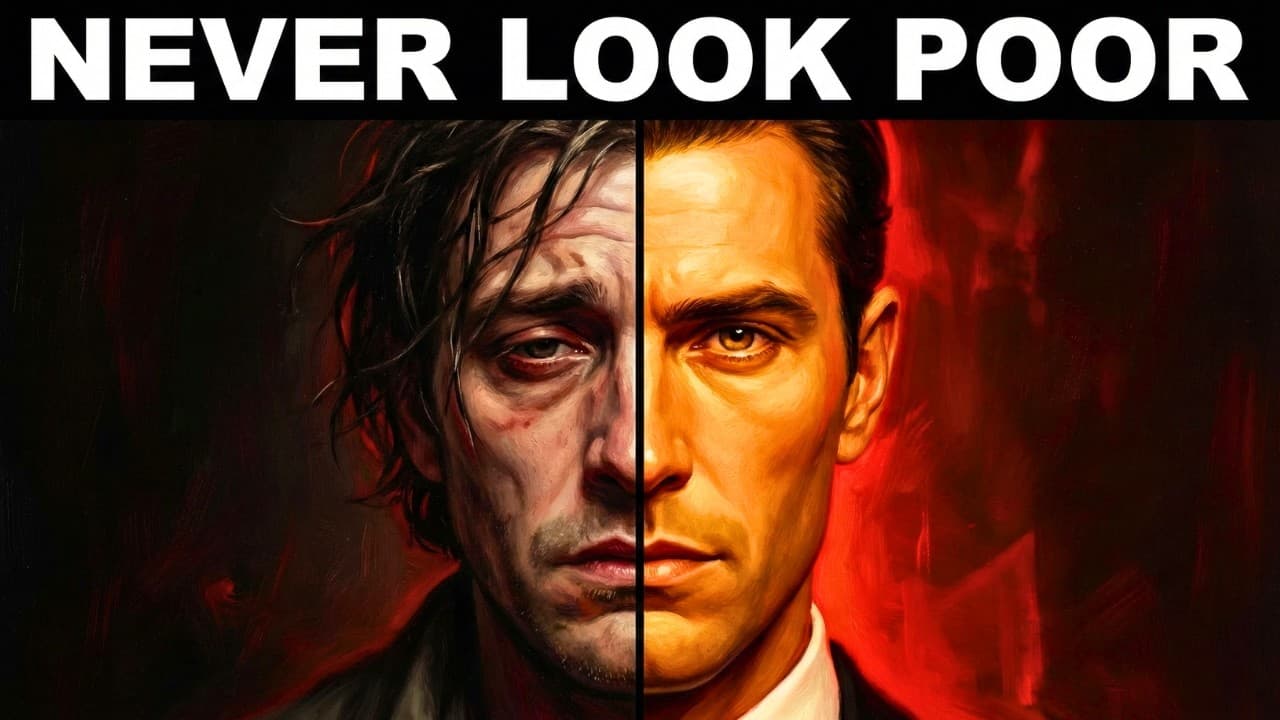
Appearance can determine whether others initially perceive you as capable, trustworthy, vulnerable, or risky. The central argument is that deliberate grooming, posture, clothing, and composed communication can signal discipline and reduce resistance, creating access to opportunities before character or competence can be evaluated. Inner value supports long-term retention, but outward presentation often controls the first opportunity to demonstrate it.
Transcript
There is a cruelty in the human eye that no one admits to. A silent biological instinct that happens in less than a second. Before you [music] speak, before you shake a hand, before you offer value, you have already been judged. [music] If you look weak, you are treated as prey. If you look poor, you are treated as invisible. It does not matter how... Read More
Key Insights
- Appearance is a shortcut people use to judge character, capability, and status before receiving meaningful evidence. The transcript argues that most observers will not investigate hidden value when clothing, grooming, posture, and demeanor already seem to provide an efficient verdict.
- The horn effect is presented as the tendency for one visible negative trait to contaminate broader judgments. Cracked shoes, neglected clothing, or collapsing posture may lead observers to infer laziness, dishonesty, poor discipline, limited intelligence, and an inability to handle responsibility.
- Visible discipline is treated as evidence of internal self-government. According to the transcript, people may doubt someone’s ability to manage a business, contract, or serious obligation when that person appears unable or unwilling to maintain personal grooming, clothing, posture, and composure.
- Resources are portrayed as flowing toward people who signal abundance rather than desperation. A composed person who speaks as if options exist can appear to offer an investment or alliance, while trembling, pleading, and visible need can cause others to perceive greater cost and risk.
- Appearance is an insurance policy for people deciding whether to support, hire, or trust someone. Looking appropriate for a role reduces the decision maker’s perceived reputational risk because the choice appears reasonable, even if the selected person later fails.
- The mask of the prince is described as projecting the nature required by circumstances while concealing signals that create disadvantage. The practical examples include appearing full when hungry, calm when anxious, and independent when financially needy so that vulnerability does not control the interaction.
- Appearance is psychological armor because it can make potential exploiters hesitate. Signals of resources, allies, influence, and readiness to defend oneself may create uncertainty, while signals of isolation and helplessness can make exclusion, ridicule, cheating, or low offers seem less risky.
- Character is necessary for retention, but appearance is necessary for access, according to the transcript’s central distinction. Inner qualities function as the product, while outward presentation functions as marketing that determines whether others grant enough attention for those qualities to become visible.
Install to Summarize YouTube Videos and Get Transcripts
Explore YouTube Video Summarizer or Get YouTube Transcript Extractor
Questions & Answers
Q: How does appearance affect access to opportunities?
Appearance affects access by shaping judgments before character, intelligence, or competence can be demonstrated. The transcript argues that observers use grooming, clothing, posture, eye direction, and vocal composure as shortcuts for estimating discipline, status, trustworthiness, and risk. A strong presentation can make support or hiring feel safer, while visible neglect can prevent a capable person from receiving the opportunity to prove value.
Q: What is the horn effect in social perception?
The horn effect is described as a process in which one negative visible trait influences judgments about many unrelated qualities. If someone has cracked shoes, neglected clothing, or collapsing posture, observers may assume that person is also lazy, unintelligent, dishonest, or unreliable. The transcript presents this as an automatic shortcut rather than a careful assessment supported by direct evidence about the individual’s abilities.
Q: Why does the transcript say money flows toward people who look secure?
The transcript argues that visible security signals capability, options, and lower risk. A composed person with sharp grooming who speaks slowly and proposes an arrangement can appear to offer a valuable alliance or investment. Someone displaying desperation may instead appear costly or unreliable. Under this framing, institutions and individuals become more willing to provide resources when the recipient seems unlikely to depend completely upon them.
Q: What is Machiavelli's mask of the prince strategy?
The mask of the prince is presented as the deliberate projection of qualities that circumstances reward, especially when revealing need or anxiety would weaken one’s position. The transcript advises appearing full when hungry, calm when anxious, and independent when poor. Its purpose is to prevent vulnerability from defining the interaction and to establish a stronger frame before other people decide how much respect, trust, or opportunity to offer.
Q: How can grooming and posture signal personal discipline?
Grooming and posture can serve as visible evidence that a person governs personal habits and pays attention to details. The transcript claims that maintained clothing, sharp grooming, upright shoulders, steady eyes, and controlled movement encourage observers to infer reliability and self-command. Conversely, neglect and collapsed posture may be interpreted as surrender, causing others to question whether the person can manage contracts, organizations, responsibilities, or difficult situations.
Q: Why is appearance described as psychological armor?
Appearance is described as psychological armor because it can create uncertainty in people considering exploitation. A formidable presentation may imply that someone has resources, allies, lawyers, powerful friends, or the ability to damage another person’s reputation. That possibility creates hesitation. By contrast, looking isolated, diminished, or unable to fight back can remove perceived deterrence and make cheating, exclusion, ridicule, low offers, or scapegoating appear safer.
Q: What is the difference between appearance and character in gaining trust?
The transcript distinguishes access from retention. Appearance influences whether someone receives initial attention, entry, trust, or an opportunity because it is immediately visible. Character determines whether that position can be maintained after meaningful interaction reveals the person’s actual qualities. In its marketing analogy, the interior is the product and the exterior is its presentation, so both matter at different stages of judgment.
Q: How can someone project confidence without visible wealth?
The transcript suggests using clean and maintained clothing, deliberate grooming, upright posture, steady eye direction, controlled emotion, and unhurried speech. The goal is not limited to displaying expensive objects. It is to avoid broadcasting surrender, anxiety, desperation, or neglect. By speaking as someone who has options and presenting a proposal instead of pleading, a person can signal discipline and strength before possessing obvious wealth or authority.
Summary & Key Takeaways
-
People make rapid judgments because appearance provides an efficient shortcut when they lack time or motivation to investigate character. An unkempt appearance, collapsed posture, or apologetic manner can therefore produce a horn effect, causing one negative signal to influence assumptions about intelligence, discipline, honesty, reliability, and general capability before evidence is considered.
-
The transcript presents appearance as armor and deterrence. Looking composed, well groomed, and formidable can make exploitative people hesitate because those signals suggest resources, allies, options, and an ability to retaliate. Looking diminished can instead imply isolation and vulnerability, making someone appear easier to ignore, underpay, exclude, deceive, or blame.
-
The proposed strategy is to project the qualities a situation requires before possessing visible wealth or authority. Sharp grooming, maintained clothing, upright posture, steady speech, and controlled emotion can frame a person as a potential partner rather than a charity case. Appearance creates access, while character and competence determine whether that access lasts.
Read in Other Languages (beta)
Share This Summary 📚
Summarize YouTube Videos and Get Video Transcripts with 1-Click
Try YouTube Summary with ChatGPT & Claude or YouTube Transcript Generator
Explore More Summaries from Mindplicit 📚
Summarize YouTube Videos and Get Video Transcripts with 1-Click
Try YouTube Summary with ChatGPT & Claude or YouTube Transcript Generator