How to set boundaries with love and clarity
TL;DR
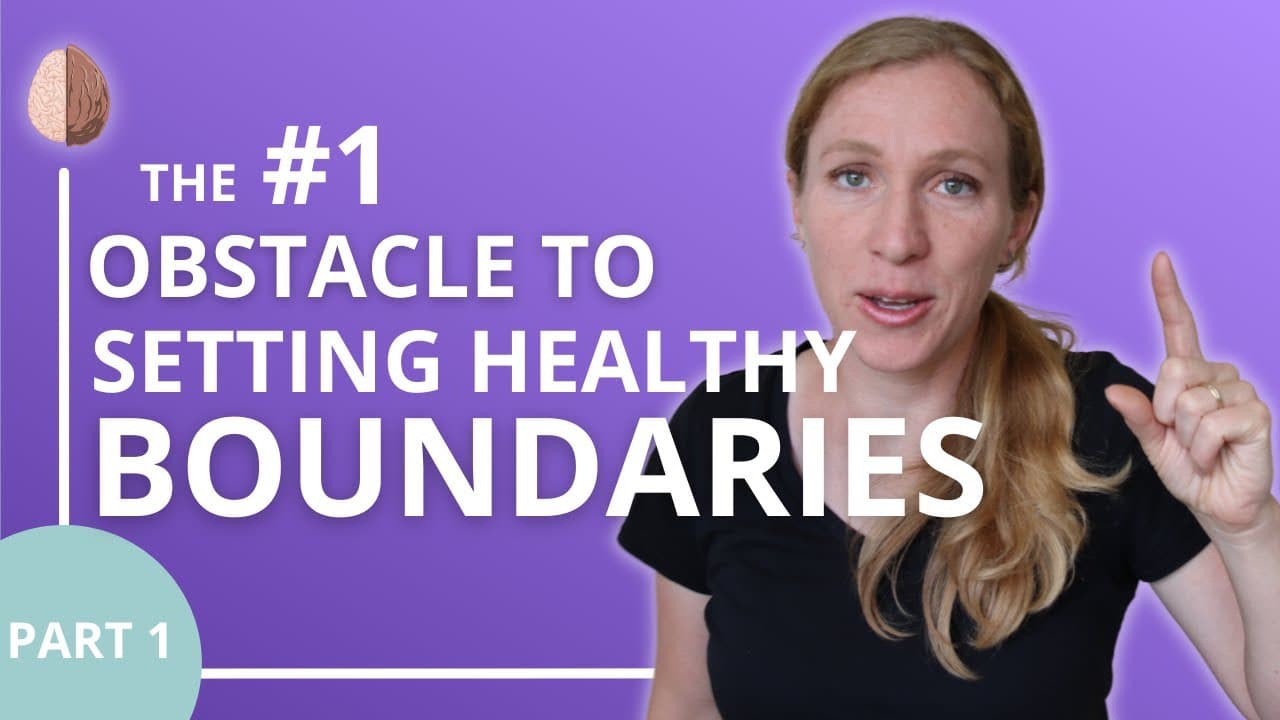
Boundaries can be firm or gentle, but the key is the heart behind them. Saying no is not inherently mean, and it can be the kindest thing you do when done from a selfless place. The speaker explains soft resistant versus hard loving behaviors and why intent matters more than simply following a rule.
Transcript
People often ask me about boundaries: How to set them, how to hold them, and how to manage them, especially with the people closest to us like our children or our employees or our bosses. Well today we're going to talk about the number one most common obstacle to holding good boundaries. The most common misunderstanding about boundaries is that set... Read More
Key Insights
- Boundaries are commonly misunderstood as inherently mean, yet intent determines whether a boundary is kind or cruel.
- The heart behind an action (loving or selfish) and the behavior type (soft or hard) create four categories that shape boundary setting.
- Soft resistant is when you say yes to avoid discomfort while your mind resents the boundary, making it less effective and potentially harmful.
- Hard loving means enforcing a boundary in a way that protects someone from future harm, even if it feels difficult in the moment.
- Saying no can be the kindest act when it aligns with long term well being and honest communication.
- People respond more to the intention behind a rule than the rule itself, so the tone and care matter.
- The speaker cites practical examples from parenting and relationships to illustrate how boundaries can be compassionate and effective.
- Firing or reassigning someone with care can be a boundary action that serves their best interest when done with love.
Install to Summarize YouTube Videos and Get Transcripts
Explore YouTube Video Summarizer or Get YouTube Transcript Extractor
Questions & Answers
Q: A real search query question about the video (e.g. How to..., What is..., Why does..., When should...). Question 1
How can you set boundaries with love without being perceived as harsh, and what role does intent play in boundary setting? The answer is that boundaries should be guided by a loving, selfless mindset rather than a selfish one. When you enforce a boundary with genuine care for the other person, they perceive your actions as protective rather than punitive. This approach helps preserve trust while maintaining necessary limits.
Q: Question 2
What is the difference between soft resistant and hard loving boundary actions, and why does it matter for relationships? Soft resistant actions say yes to avoid discomfort but originate from a selfish place, which can erode trust. Hard loving actions say no when needed to prevent harm or future problems, and they come from a place of care. This distinction matters because it affects how the other person feels and whether they see the boundary as supportive.
Q: Question 3
Why is saying no considered one of the kindest things we can do, according to the video? Saying no can be the kindest action when it protects someone from future harm or sets a healthier path. It requires emotional honesty and the willingness to endure short term discomfort for long term wellbeing, which demonstrates care and respect for the other person.
Q: Question 4
How does the Arbinger Institute concept of way of being relate to boundary setting? The chart compares soft versus hard behaviors with loving versus selfish motives, showing that the heart behind actions shapes outcomes. Boundaries are more effective when enforced from a loving, selfless place rather than from a place of anger or control.
Q: Question 5
What is a practical parenting example of a hard loving boundary? A boundary like enforcing a consequence for unsafe behavior can be done from love if it aims to protect the child and others. The key is to communicate the reason, stay consistent, and show care for the child’s future while upholding the rule.
Q: Question 6
How can professionals apply boundary principles in the workplace? By enforcing rules with clear intent to support colleagues and clients, not to punish. The boundary should be framed as care for everyone’s wellbeing, and the manner of delivery should reflect concern and respect, reducing the perception of harshness.
Q: Question 7
What common myth about boundaries does the video debunk? The misconception is that setting boundaries is inherently mean or harsh. In reality, boundaries can be delivered with kindness when grounded in compassionate intent and thoughtful communication, making them healthier for relationships.
Q: Question 8
How does discomfort relate to building boundary skills? Growth comes from feeling some discomfort while practicing boundary enforcement. As people learn to tolerate the initial discomfort, they become more proficient at setting boundaries that are both kind and effective, improving emotional health over time.
Summary & Key Takeaways
-
Boundaries are often misperceived as mean, but the speaker argues that the timing and heart behind them matter more than the word no. The talk uses a two axis chart to distinguish soft versus hard behaviors and loving versus selfish intentions. It shows how loving discipline can protect futures and relationships.
-
The content highlights soft resistant examples like yielding to avoid discomfort and contrasts them with hard loving actions, such as choosing to enforce a boundary to prevent harm. It emphasizes honesty, clear communication, and intentionality over merely being permissive or harsh.
-
The takeaway is that boundary setting is a skill that improves with practice and emotional awareness. Boundaries should come from a loving place, and saying no can be supportive and protective when guided by genuine care for others.
Read in Other Languages (beta)
Share This Summary 📚
Summarize YouTube Videos and Get Video Transcripts with 1-Click
Try YouTube Summary with ChatGPT & Claude or YouTube Transcript Generator
Explore More Summaries from Therapy in a Nutshell 📚

Summarize YouTube Videos and Get Video Transcripts with 1-Click
Try YouTube Summary with ChatGPT & Claude or YouTube Transcript Generator