How to Manually Install Apache Guacamole on Raspberry Pi?
TL;DR
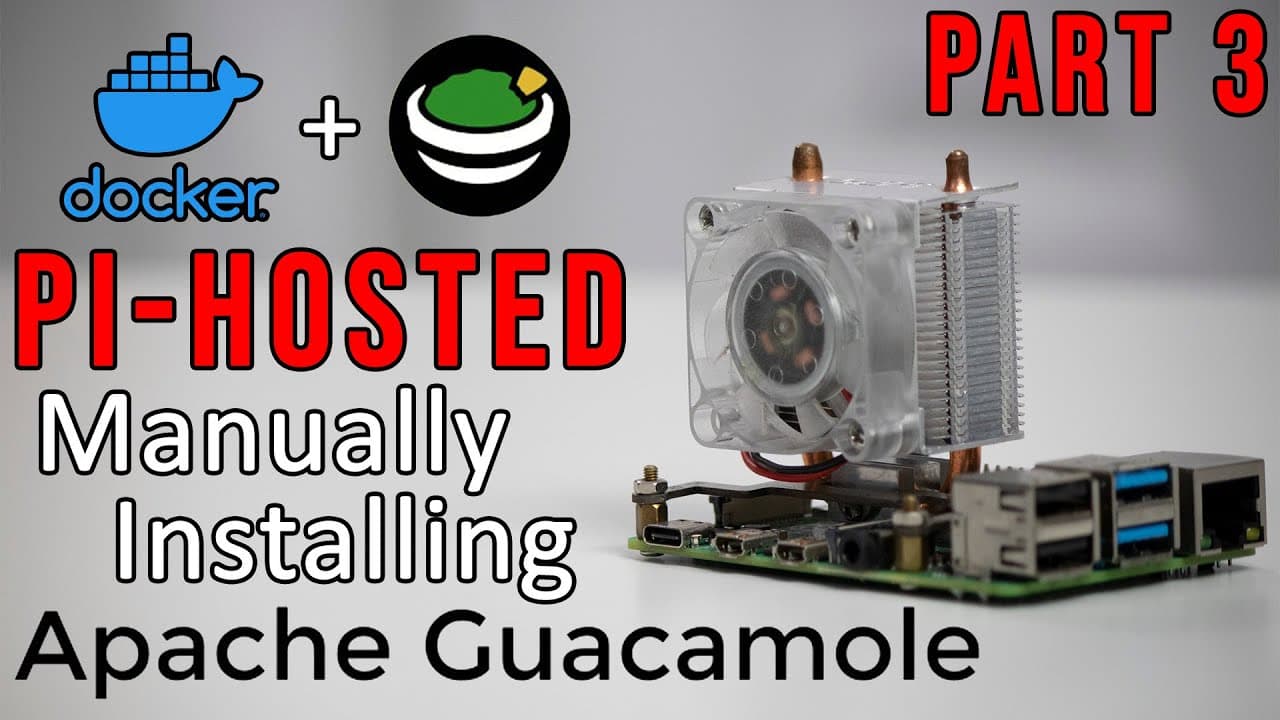
To manually install Apache Guacamole on a Raspberry Pi, use Docker and Portainer to configure the necessary containers and ports. The installation enables remote desktop access through HTML5, allowing you to connect without any additional client software. After installation, remember to change the default admin credentials for security.
Transcript
hey guys what's going on it's don here from novaspirittech and welcome back to the channel and today we are going to be installing one of my favorite apps which is called apache guacamole manually on our pi hosted series so let's get started now guacamole is a remote desktop client list client made for html5 which means any browser on your computer... Read More
Key Insights
- 👻 Apache Guacamole simplifies remote access by supporting multiple protocols in a web-based interface, allowing connections from any device with a browser.
- 🧑🦽 Manual installation via Docker and Portainer provides more flexibility compared to using predefined templates, empowering users to customize their setups.
- 🐕🦺 Understanding how to manage ports and volumes is crucial in configuring services correctly within a Docker environment to ensure seamless operation.
- 🌱 Future content plans underline a clear trajectory for the series, aiming to enhance server capabilities through integration of diverse applications and functionalities.
- 🤗 Changing default credentials post-installation is critical for maintaining security in an open remote desktop environment.
- 👻 The active connections feature in Guacamole allows users to monitor and manage sessions effectively, promoting better control over resources.
- 🫵 Leveraging community feedback can assist in identifying valuable applications to explore, enriching the content experience for viewers.
Install to Summarize YouTube Videos and Get Transcripts
Explore YouTube Video Summarizer or Get YouTube Transcript Extractor
Questions & Answers
Q: What is Apache Guacamole, and why is it useful?
Apache Guacamole is a remote desktop client that uses HTML5, enabling users to access remote systems through any web browser. It supports various protocols, including RDP, SSH, and VNC, allowing centralized connection management. This is especially beneficial for users with multiple remote systems, as it eliminates the need to remember various ports and IP addresses.
Q: How do you manually install Guacamole on Raspberry Pi using Portainer?
To manually install Guacamole, start by accessing Docker Hub to find the appropriate Guacamole package version for your Raspberry Pi's architecture. Create a new container in Portainer, inputting the image with the necessary tag, setting port mappings, and defining volumes for configuration. Then, deploy the container and monitor the logs until it’s running successfully.
Q: What are the essential settings to configure after installing Guacamole?
After installing Guacamole, initially log in using default credentials (username: guacadmin, password: guacadmin) and change these for security. Explore settings within the application to manage user accounts, set up connection groups, and adjust connection preferences (like mouse behavior for mobile use) to optimize your experience.
Q: What future content is planned for the series?
The series roadmap includes installing various applications such as torrent clients and media servers, progressing towards setting up network shares and monitoring systems. Each episode will build on the infrastructure, focusing on heavy applications initially and adding complementary tools later, fostering a comprehensive server setup.
Summary & Key Takeaways
-
This video tutorial walks viewers through the manual installation of Apache Guacamole, a remote desktop client, on Raspberry Pi using Docker and Portainer.
-
The guide emphasizes the advantages of using Guacamole, including its HTML5 compatibility, which allows access from various devices without installing additional clients.
-
The creator outlines future content plans for the series, including additional applications and features to enhance the server setup.
Read in Other Languages (beta)
Share This Summary 📚
Summarize YouTube Videos and Get Video Transcripts with 1-Click
Try YouTube Summary with ChatGPT & Claude or YouTube Transcript Generator
Explore More Summaries from Novaspirit Tech 📚


Summarize YouTube Videos and Get Video Transcripts with 1-Click
Try YouTube Summary with ChatGPT & Claude or YouTube Transcript Generator