Robert Greene on Power, Death, and Influence: Lessons
TL;DR
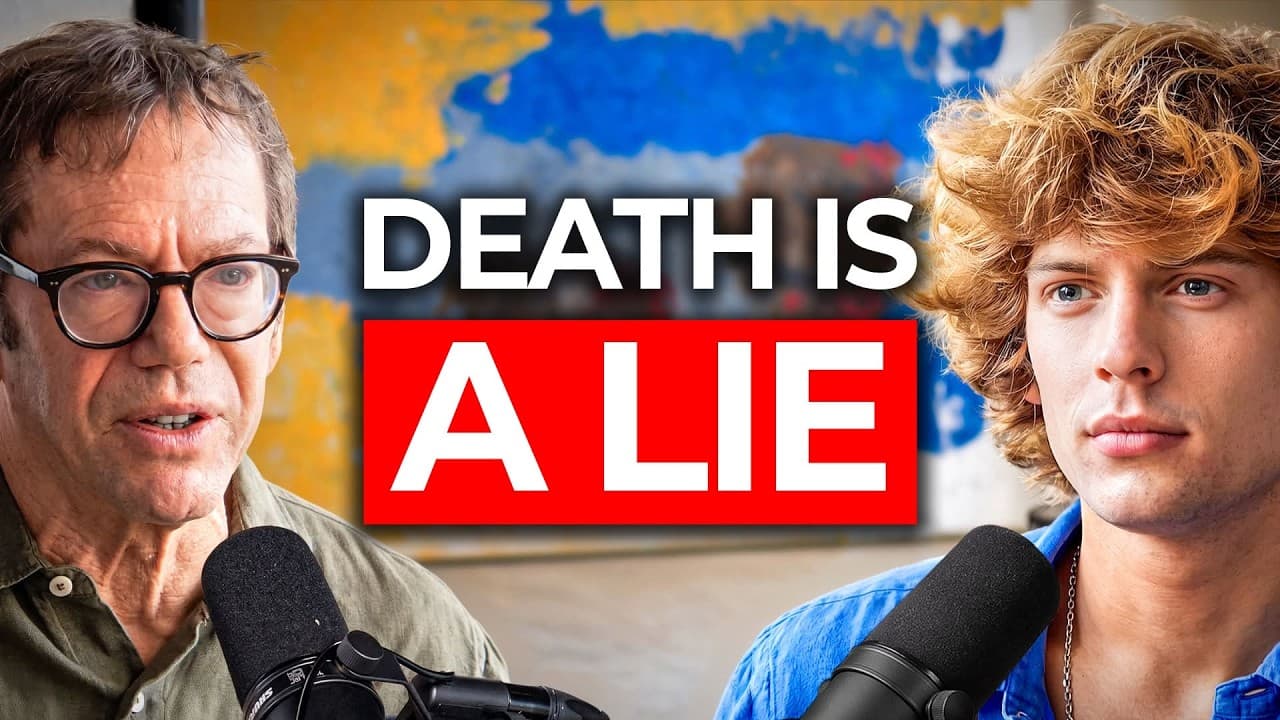
Power and fear of oblivion drive the behavior of the world’s most influential figures. Greene explains that the sublime reconciles life with reality, and that writing by hand slowed his process but deepened the book’s impact. A near death experience reframes success as meaning and resilience, not mere status or control.
Transcript
What Jeffrey Epstein was was a master middleman. He could connect you to anything you wanted. He knew your weaknesses, appeal to people's self-interest. Today's guest is the number one expert in the world on power, seduction, and the law of the sublime. >> It's not that the sublime is something spiritual and invisible or something that you can't se... Read More
Key Insights
- Power hinges on attention and visibility, and losing it triggers fear of oblivion.
- The sublime is about direct engagement with material reality, not a dichotomy with spirituality.
- Personal adversity, like a stroke, reveals inner resources and redefines meaning of achievement.
- The writing process can influence the final work, with slower, handwritten editing creating a more alive text.
- Societal turmoil, AI, and economic shifts contribute to collective anxiety and a sense of instability.
- People seek permanence in a rapidly changing world, driving coping mechanisms and behavior.
- Near death experiences can alter perspectives on life, death, and legacy.
- Aesthetic and psychological strategies, such as deliberate pace, can deepen understanding of power dynamics.
Install to Summarize YouTube Videos and Get Transcripts
Explore YouTube Video Summarizer or Get YouTube Transcript Extractor
Questions & Answers
Q: What do powerful people fear the most according to Greene
Greene states that the deepest fear of powerful people is oblivion, the worry that they will be forgotten or neglected once they step out of the limelight. This fear creates a dependence on attention and public recognition, which can resemble a drug like effect, fueling ongoing efforts to remain relevant and influential.
Q: How does Greene describe the sublime in relation to the material world
Greene explains that the sublime is not separate from the material world but a way of engaging with it more deeply. It involves stepping away from smartphones and social media to experience life directly—the blood, air, people, and basic reality—thereby integrating the spiritual with the tangible in a practical, grounded way.
Q: What did Greene learn about writing his book by hand
Handwriting the book slowed the overall process, extending seven years compared to if it had been typed. This slower method required careful revision, sentence by sentence, and gave Greene a sense of the book being more alive. He believes the deliberate pace enhanced depth and precision in the final work.
Q: What is Greene’s view on the current sense of insanity in society
Greene observes a widespread feeling of unease and unhappiness in the world, describing it as insanity driven by rapid change, AI, economy, and politics. He notes that people increasingly seek permanence and fear uncertainty, which fuels anxiety and a sense that the future is bleak and unstable.
Q: What happened to Greene during his stroke and how did it affect his work
Greene was stung by a wasp, which led to a blood clot and a stroke. This life threatening event forced him to confront mortality and deepened his appreciation for resources within himself. It also reframed his writing as a pursuit of meaningful, enduring achievement rather than surface success.
Q: How does Greene compare the personal experience of death to life’s material pursuits
Greene discusses how near death experiences prompt a reassessment of what matters, shifting focus from accumulation of power to meaning, resilience, and purpose. The episodes of fear, struggle, and recovery illuminate how the brain prioritizes emotions and how this shapes leadership, influence, and human behavior.
Q: What role does attention play in the behavior of leaders according to Greene
Attention functions as a currency for leaders, with its loss equating to a loss of influence. Greene suggests powerful individuals chase sustained visibility because it validates their sense of purpose and identity, and without it they risk a hard psychological blow, which can lead to depression or a sense of meaningless life.
Q: Why does Greene emphasize reality over virtuality in his philosophy
Greene argues that stepping away from the virtual world allows a person to encounter life directly, which strengthens perception and judgment. By grounding behavior in physical reality such as breath, movement, and tangible interactions, individuals can cultivate authenticity, discipline, and a more accurate understanding of power dynamics.
Summary & Key Takeaways
-
Greene argues that top leaders fear being forgotten more than death itself, making attention a stimulant and addiction.
-
The sublime is presented as a practical way to engage with reality, beyond screens and social media, shaping how one experiences life.
-
Handwriting the book extended the process and altered the work’s texture, suggesting pace and deliberate reflection can change creative outcomes.
Read in Other Languages (beta)
Share This Summary 📚
Summarize YouTube Videos and Get Video Transcripts with 1-Click
Try YouTube Summary with ChatGPT & Claude or YouTube Transcript Generator
Explore More Summaries from Jack Neel 📚




Summarize YouTube Videos and Get Video Transcripts with 1-Click
Try YouTube Summary with ChatGPT & Claude or YouTube Transcript Generator