Kimberley Chambers on Turning Setbacks Into Strength
TL;DR
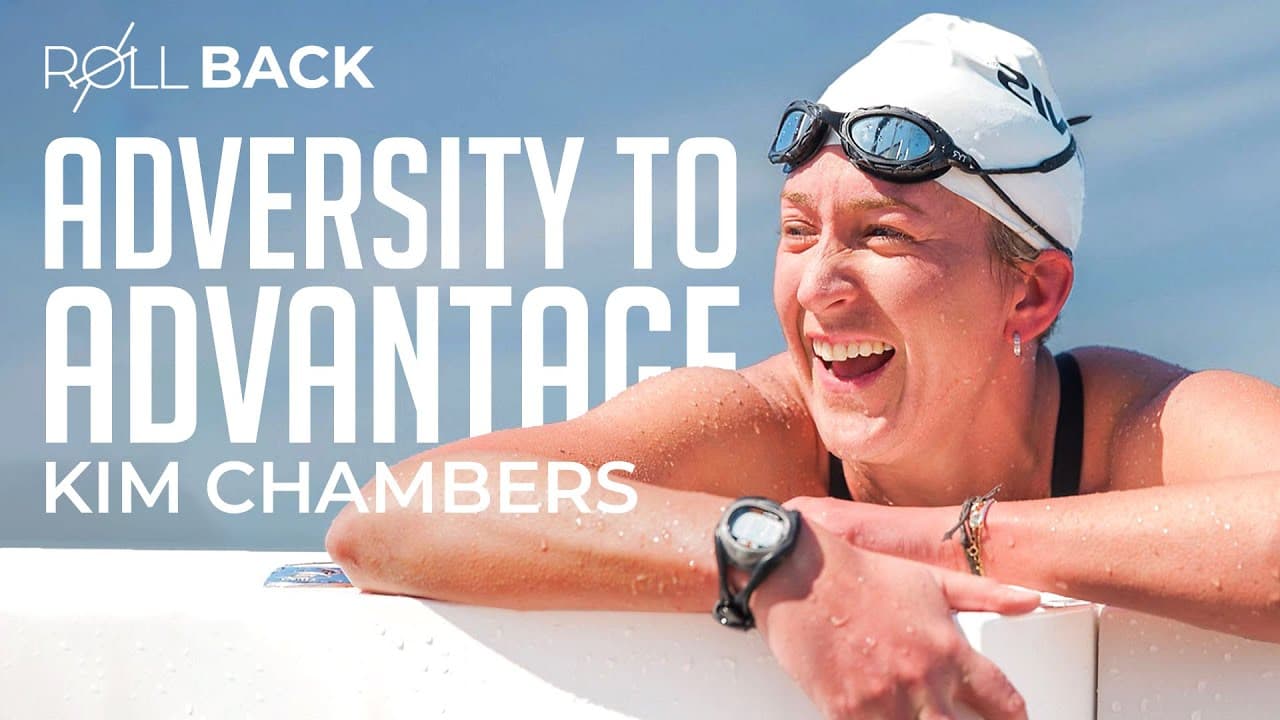
Adversity can become an advantage when the discipline, pain tolerance, and perspective developed through hardship are redirected toward a meaningful new path. Kimberley Chambers moved from ballet and rowing to record-setting marathon swimming after acute compartment syndrome threatened the use of her right leg, showing how a defining setback can help reveal a more authentic identity.
Transcript
hey everybody welcome to another rollback where we bring the best of our pre-video catalog to youtube for the very first time and today you're going to be amazed you're going to be uplifted by the incredible story of this week's rollback with kim chambers one of the most accomplished and inspiring record-setting marathon open water swimmers in the ... Read More
Key Insights
- • Ballet is a demanding discipline that can appear effortless while requiring intense physical work, sustained concentration, and tolerance of discomfort. Chambers credits 15 years of training with developing qualities that later helped her endure the demands of marathon open-water swimming.
- • Chambers's original athletic identity was shaped by ballet, not swimming. She completed the Royal Academy of Dancing examinations and became qualified to teach, but growing to 5 feet 10 inches and becoming more interested in school changed the direction of her life.
- • Pain tolerance was developed through repeated exposure to ballet's physical demands. Chambers sometimes discovered bleeding blisters only after removing her pointe shoes, an experience she believes contributed to the ability to keep functioning through discomfort during later swimming challenges.
- • Ballet culture did not teach Chambers to fuel her body as an athletic machine. She recalls an environment marked by restrictive eating, pressure from peers, and a tendency to wear the body down, which differed significantly from her later understanding of athletic preparation.
- • Moving to California at 17 required Chambers to leave New Zealand and begin an unfamiliar life. She chose the University of California, Berkeley, partly because her older brother attended the school and provided an existing family connection in the United States.
- • Rowing showed that general athletic qualities do not guarantee success in every sport. Chambers was recruited because she was tall, coordinated, pain-tolerant, and related to a successful rower, but she lacked the upper-body strength required to become an effective competitive rower.
- • Acute compartment syndrome is presented as a consequence of blunt-force trauma that creates dangerous pressure within a limb. In Chambers's case, swelling compressed nerves in her right leg, caused lasting nerve damage, and required a fasciotomy and multiple surgeries.
- • Chambers's injury became a defining turning point rather than the conclusion of her athletic life. After doctors saved her leg but questioned whether she would use it again, she eventually became a record-setting marathon swimmer and the first woman to complete a 30-mile Red Triangle swim.
Install to Summarize YouTube Videos and Get Transcripts
Explore YouTube Video Summarizer or Get YouTube Transcript Extractor
Questions & Answers
Q: How did Kimberley Chambers turn adversity into an advantage?
Kimberley Chambers treated a devastating leg injury as a defining moment that redirected her life. After acute compartment syndrome required multiple surgeries, doctors said they had saved her leg but did not know whether she would use it again. She later applied the discipline, perfectionism, coordination, and pain tolerance developed through ballet to marathon open-water swimming and achieved a record-setting 30-mile swim.
Q: What caused Kimberley Chambers's serious leg injury?
Chambers injured her right leg in a fall while rushing to work. Her pantsuit apparently caught on a high heel, sending her down a staircase and into a large ceramic pot. Although she broke no bones and initially expected only a severe bruise, her leg continued swelling. The pain eventually caused her to pass out at work, leading to hospitalization and emergency treatment.
Q: What is acute compartment syndrome in Kimberley Chambers's story?
Acute compartment syndrome is described as a condition in which pressure builds inside an injured limb because the surrounding fascia does not give way. In Chambers's right leg, swelling after blunt-force trauma compressed nerves and caused lasting nerve damage. Doctors performed a fasciotomy, cutting through the fascia and leaving large openings on both sides of her calf to relieve the pressure.
Q: How did ballet prepare Kimberley Chambers for marathon swimming?
Ballet gave Chambers discipline, coordination, perfectionist habits, and a high tolerance for physical pain. She trained for 15 years, traveled around New Zealand to perform, and completed formal examinations through the Royal Academy of Dancing. She believes the ability to continue working through severe discomfort, including bleeding foot blisters, later served her well in the demanding environment of marathon open-water swimming.
Q: Why did Kimberley Chambers stop pursuing professional ballet?
Chambers stopped viewing professional ballet as her likely path after a growth spurt around age 15 left her 5 feet 10 inches tall. She was also increasingly interested in school and struggled to balance ballet training with academics and a social life. She nevertheless continued dancing until 17 and completed the examinations needed to qualify as a ballet teacher.
Q: Why did Kimberley Chambers move from New Zealand to California?
Chambers moved to the United States at 17 to attend the University of California, Berkeley. Her older brother had already been recruited there as a rower, and his experience made attending an American college seem exciting to her. She took the SATs at her school, gained admission to several institutions, and selected Berkeley because her brother was already there.
Q: Why did rowing not become Kimberley Chambers's main sport?
Berkeley recruited Chambers onto the rowing team because she was tall, coordinated, pain-tolerant, and the sister of an accomplished rower. Those traits created potential, but she says she had no upper-body strength and was not naturally suited to rowing. She tried the sport for several years without becoming particularly successful, although the experience introduced her to genuine team athletics and close teammate relationships.
Q: What record did Kimberley Chambers set as a marathon swimmer?
In 2015, Chambers became the first woman to swim 30 miles through the Red Triangle off the coast of San Francisco. The introduction describes this area as having the world's largest concentration of great white sharks. The achievement established a new world record and illustrates how far her athletic life progressed after doctors had questioned whether she would regain the use of her injured right leg.
Summary & Key Takeaways
-
Kimberley Chambers grew up on a sheep and cattle farm in New Zealand and trained in ballet for 15 years. Ballet developed her discipline, perfectionism, coordination, and unusually high tolerance for pain, but a growth spurt and competing interests eventually ended her ambition to pursue it professionally.
-
At 17, Chambers moved to the United States to attend the University of California, Berkeley, where her older brother was rowing. She joined the rowing team because of her height, coordination, and family connection, but lacked the upper-body strength needed to excel and eventually pursued a different direction.
-
A fall down the stairs caused acute compartment syndrome in Chambers's right leg. Multiple surgeries saved the limb, but doctors could not promise she would use it again. The injury became a defining moment preceding her rise as a marathon swimmer, including a record-setting 30-mile swim through the Red Triangle.
Read in Other Languages (beta)
Share This Summary 📚
Summarize YouTube Videos and Get Video Transcripts with 1-Click
Try YouTube Summary with ChatGPT & Claude or YouTube Transcript Generator
Explore More Summaries from Rich Roll 📚





Summarize YouTube Videos and Get Video Transcripts with 1-Click
Try YouTube Summary with ChatGPT & Claude or YouTube Transcript Generator