How to cope with social fatigue and avoid crowds
TL;DR
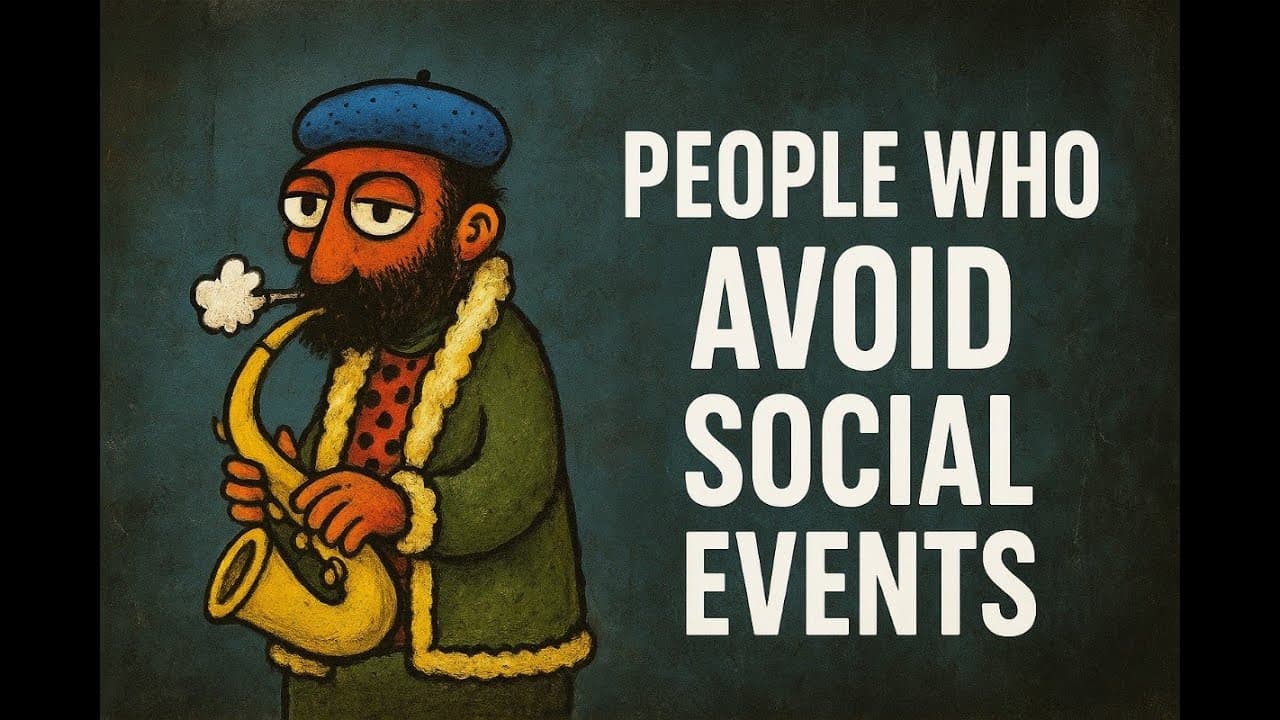
Social fatigue is real and not the same as dislike for people. Some individuals drain energy in crowds and prefer meaningful one on one exchanges. By recognizing overstimulation and using boundaries and rituals, they can participate in social life without erasing their needs or authenticity.
Transcript
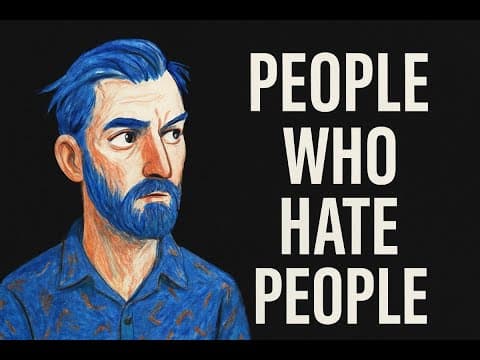
There are people who don't hate people. They just can't seem to stand the noise of a crowd. The chatter, the laughter, the constant need to perform. You'll find them making excuses before a party, hesitating before replying yes to a friend's invitation. Staring at the mirror, wondering why something as simple as being around others feels like an em... Read More
Key Insights
- Social fatigue is the emotional depletion that follows extended social exposure.
- The video argues that avoiding events can be a protective strategy, not a sign of disinterest or coldness.
- High sensory processing sensitivity makes crowded environments painful for some people.
- Introversion and social anxiety can coexist with strong empathy and deep listening.
- People may prefer one on one interactions to maintain authenticity and avoid overstimulation.
- Society often equates social activity with success, which pressures quiet individuals.
- Boundaries and small rituals help socially avoidant individuals participate without erasing needs.
- Authenticity and meaningful connection are endorsed as healthier goals than constant socializing.
Install to Summarize YouTube Videos and Get Transcripts
Explore YouTube Video Summarizer or Get YouTube Transcript Extractor
Questions & Answers
Q: How can I tell if I am experiencing social fatigue in a crowd?
Social fatigue shows as emotional exhaustion after a day of social interaction, with numbness and a desire for silence. It varies by person but for highly sensitive individuals it can start early and escalate quickly in crowded settings. Recognizing the need for space is the first step toward healthier engagement.
Q: What is the difference between shyness and emotional exhaustion in social settings?
Shyness is a tendency to feel uncertain in social contexts, while emotional exhaustion refers to depletion of energy after social exposure. The video explains that exhaustion can happen without fear, and it reflects a protective mechanism that preserves emotional bandwidth for meaningful connections rather than avoidance of people.
Q: Why do some people crave deep connection but still avoid crowds?
The paradox exists because these individuals value sincerity and meaningful exchange more than surface level interactions. Large groups often feel overwhelming, so they withdraw to protect energy, but they still seek authentic moments with trusted people where communication feels real and sustainable.
Q: How does high sensory processing sensitivity affect social behavior?
People with high sensory processing sensitivity process stimuli more deeply. Crowds amplify sights and sounds, triggering overstimulation and discomfort. To cope, they withdraw or use rituals that reduce exposure, preserving their nervous system while still allowing meaningful social contact in safer settings.
Q: What practical strategies can help someone socialize without erasing their needs?
Strategies include arriving late and leaving early, helping in the kitchen to create movement away from the center, scrolling on a phone for short retreats, and arranging smaller gatherings. These tactics provide control over social energy and enable authentic participation without self erasure.
Q: Can avoidance of social events be considered a form of wisdom?
Yes, avoidance can reflect emotional intelligence when it protects nervous systems from overstimulation. Recognizing limits, honoring needs, and choosing environments that feel safe allow people to engage in ways that fit their temperament, leading to healthier relationships and increased self respect.
Q: What role does social safety play in how the brain reacts to crowds?
The brain surveys for acceptance in social settings, triggering a sense of risk if alignment with group norms seems uncertain. This social safety mechanism can make crowds feel unpredictable, increasing vigilance and emotional load which in turn discourages full presence and fosters selective participation.
Q: How can someone build authentic connections without overexerting themselves?
Start with one trusted person, choose quiet activities aligned with personal interests, and create rituals that limit energy drain. Online communities or slow paced meetups offer controlled environments where truthful conversation can flourish, allowing sustainable bonds without the pressure of constant social performance.
Summary & Key Takeaways
-
Social fatigue is described as emotional depletion after prolonged social exposure, especially for highly sensitive individuals. The video explains why crowds can feel overwhelming and how people learn to protect themselves through rituals and selective engagement.
-
The paradox is that those who avoid social events often crave deep connection. They seek authentic moments over small talk, and they thrive when environments feel safe and predictable.
-
The message emphasizes emotional intelligence and self awareness, urging a redefinition of belonging that respects nervous system limits and values meaningful presence over constant interaction.
Read in Other Languages (beta)
Share This Summary 📚
Summarize YouTube Videos and Get Video Transcripts with 1-Click
Try YouTube Summary with ChatGPT & Claude or YouTube Transcript Generator
Explore More Summaries from Kee 📚

Summarize YouTube Videos and Get Video Transcripts with 1-Click
Try YouTube Summary with ChatGPT & Claude or YouTube Transcript Generator