What Are the Only 5 Hair Loss Treatments Worth Your Money, According to a Hair Loss Expert?
TL;DR
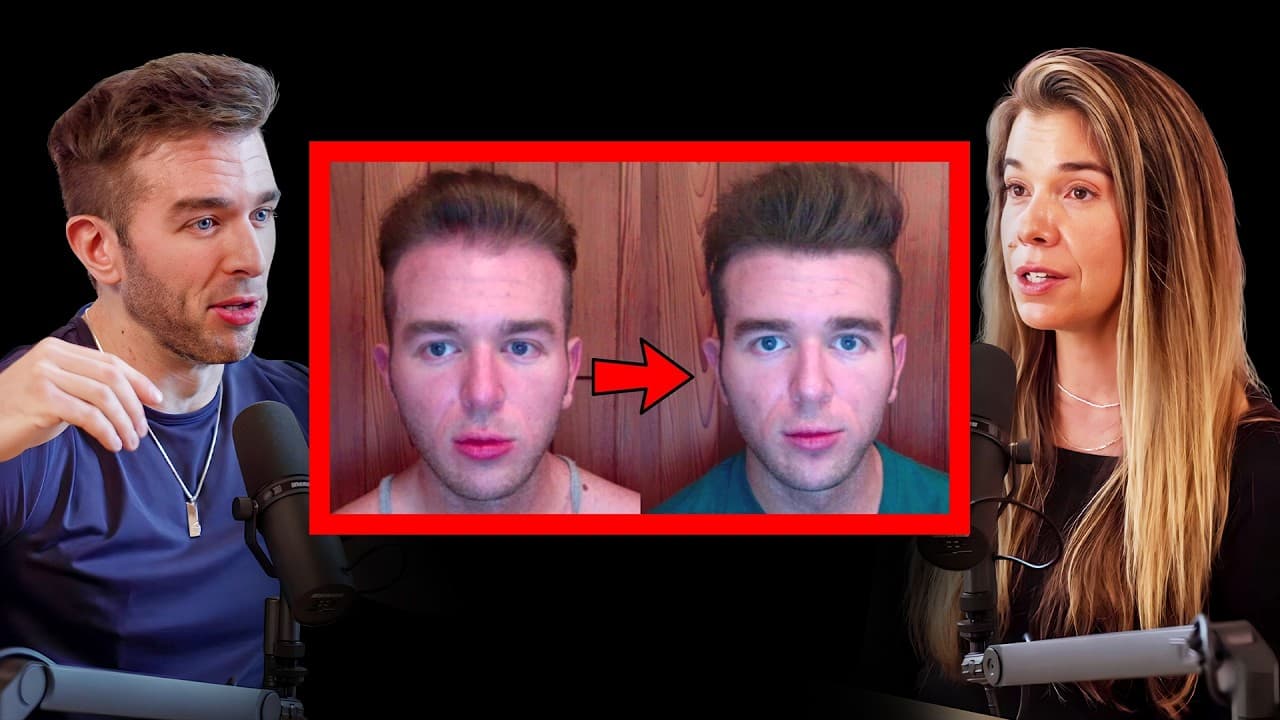
Hair loss treatment begins by reducing DHT-related follicle miniaturization, then layering proven growth support such as minoxidil. Ketoconazole shampoo provides mild anti-androgen activity, while tretinoin compounding or microneedling may help minoxidil non-responders by improving absorption or sulfotransferase activity. Oral minoxidil has greater systemic risks than topical use. Read on to compare the mechanisms, limitations, and recommended treatment sequence.
Transcript
kind of the last topic to to get to and we've already sort of touched on it was like some of the side effects of maybe perhaps some of this androgen you know therapy or hormone replacement therapy hair loss >> and this is something I know you've personally talked about it's it's very interesting and I'm I sort of just want to talk about it out of m... Read More
Key Insights
- Hair loss is driven by DHT and androgen-related activity in the scalp, which causes follicle miniaturization. Beyond crushing DHT levels, no reliable prevention exists, despite frequent viral claims about breakthrough regrowth cures on Twitter and Reddit.
- Ketoconazole shampoo is a mild 5-alpha reductase inhibitor and topical anti-androgen. Studies show it produces hair growth equivalent to 2% minoxidil via a different mechanism, and it also improves dandruff and seborrheic dermatitis in the scalp.
- Minoxidil is the FDA-approved growth stimulant that works reliably, but results are hit or miss because it must convert into minoxidil sulfate in the scalp. People with inadequate sulfotransferase enzyme activity can be total non-responders despite full daily dosing.
- Microneedling can turn non-responders into significant responders by ensuring adequate absorption of minoxidil and upregulating sulfotransferase enzyme activity through manual micro damage, done roughly once a week rather than by adding another drug.
- Newer literature suggests microneedling at 0.6 millimeter depth may be as effective as the older 1.5 millimeter protocol, which was guaranteed to draw blood, offering less cosmetic issue and quicker recovery.
- Minoxidil was originally an oral blood pressure drug called loniten carrying a blackbox warning. Doctors noticed hair growth everywhere as a side effect and repurposed it as a topical, which largely avoids the systemic side effect profile.
- Oral minoxidil carries a more significant side effect profile than topical, including water retention, pericardial effusion, arrhythmias, chest pains, and electrolyte dysregulation because it opens potassium channels and the liver drives heavy sulfate conversion.
- The recommended escalation is to start with topical minoxidil, add microneedling if there is no response, and only then move to the pharmaceutical route of compounded tretinoin plus minoxidil or oral minoxidil as risk increases.
Install to Summarize YouTube Videos and Get Transcripts
Explore YouTube Video Summarizer or Get YouTube Transcript Extractor
Questions & Answers
Q: What role does DHT play in hair loss?
DHT and other androgen-related activity in the scalp contribute to follicle miniaturization. The expert says hair loss cannot currently be prevented reliably without substantially reducing DHT, so treatment first targets this miniaturization process.
Q: Does ketoconazole shampoo help with hair loss?
Ketoconazole is described as a mild five alpha reductase inhibitor and topical anti-androgen. Studies discussed in the transcript found hair growth results equivalent to 2% minoxidil through a different mechanism, but the shampoo is usually insufficient alone for people with more than mild hair-loss susceptibility.
Q: Why does minoxidil work for some people but not others?
Minoxidil must convert into minoxidil sulfate in the scalp to work. People with inadequate sulfotransferase enzyme activity may not respond even when using the full drug dose every day, while scalp condition, application, dose, and formulation can also affect results.
Q: How can a minoxidil non-responder improve results?
Compounding minoxidil with tretinoin can increase sulfotransferase activity and support conversion into minoxidil sulfate. Microneedling may also improve absorption and enzyme activity, turning some non-responders into significant responders or magnifying weaker results.
Q: Can microneedling alone regrow hair?
The existing comparison says microneedling alone does not produce results comparable to combining it with minoxidil. Its main value appears to be improving minoxidil absorption and sulfotransferase activity, although microdamage may also recruit local growth factors.
Q: What microneedling depth and schedule are discussed for hair growth?
Newer literature discussed on the page suggests a 0.6 millimeter depth may be as effective as the older 1.5 millimeter protocol. The shallower approach has less cosmetic impact and quicker recovery, and microneedling is performed roughly once a week.
Q: Why was minoxidil repurposed as a hair-loss treatment?
Minoxidil was originally prescribed orally for high blood pressure under the name Loniten. Doctors observed substantial hair growth, including on the scalp, alongside effects such as low blood pressure, fainting when standing, and water retention, which led to its use as a topical hair-growth stimulant.
Q: What are the risks of topical versus oral minoxidil?
Topical minoxidil largely avoids the systemic side-effect profile associated with the oral formulation. Oral minoxidil carries risks including water retention, pericardial effusion, electrolyte dysregulation, arrhythmias, chest pain, low blood pressure, and fainting when standing.
Summary & Key Takeaways
-
Definition: DHT and androgen-related scalp activity drive follicle miniaturization, making androgen reduction the foundation of the treatment approach.
-
Tool: Finasteride or dutasteride provides pharmaceutical five alpha reductase inhibition before additional treatments are layered on.
-
Tool: Ketoconazole shampoo acts as a mild five alpha reductase inhibitor and topical anti-androgen while also helping dandruff and seborrheic dermatitis.
-
Compare: Ketoconazole produced hair growth equivalent to 2% minoxidil through a different mechanism, but it is usually insufficient alone.
-
Definition: Minoxidil works only after scalp conversion into minoxidil sulfate, a process limited by sulfotransferase enzyme activity.
-
Tool: Tretinoin compounded with minoxidil can increase sulfotransferase activity and support more conversion into active minoxidil sulfate.
-
Tool: Microneedling may improve minoxidil absorption and sulfotransferase activity, helping some non-responders become significant responders.
-
Compare: A 0.6 millimeter microneedling depth may match the older 1.5 millimeter approach with less cosmetic impact and quicker recovery.
-
When: Microneedling is performed roughly once a week because it creates manual microdamage rather than adding another drug.
-
Definition: Loniten was an oral blood-pressure drug with a blackbox warning that was repurposed after widespread hair growth appeared as a side effect.
-
Compare: Topical minoxidil avoids much of the oral formulation's systemic risk, while oral use can cause cardiovascular and fluid-related effects.
-
Step 1: Start with topical minoxidil, add microneedling if response is inadequate, then consider compounded tretinoin or oral minoxidil as risk increases.
Read in Other Languages (beta)
Share This Summary 📚
Summarize YouTube Videos and Get Video Transcripts with 1-Click
Try YouTube Summary with ChatGPT & Claude or YouTube Transcript Generator
Explore More Summaries from FoundMyFitness Clips 📚



Summarize YouTube Videos and Get Video Transcripts with 1-Click
Try YouTube Summary with ChatGPT & Claude or YouTube Transcript Generator