How to Create Sales Urgency Without Follow-Ups
TL;DR
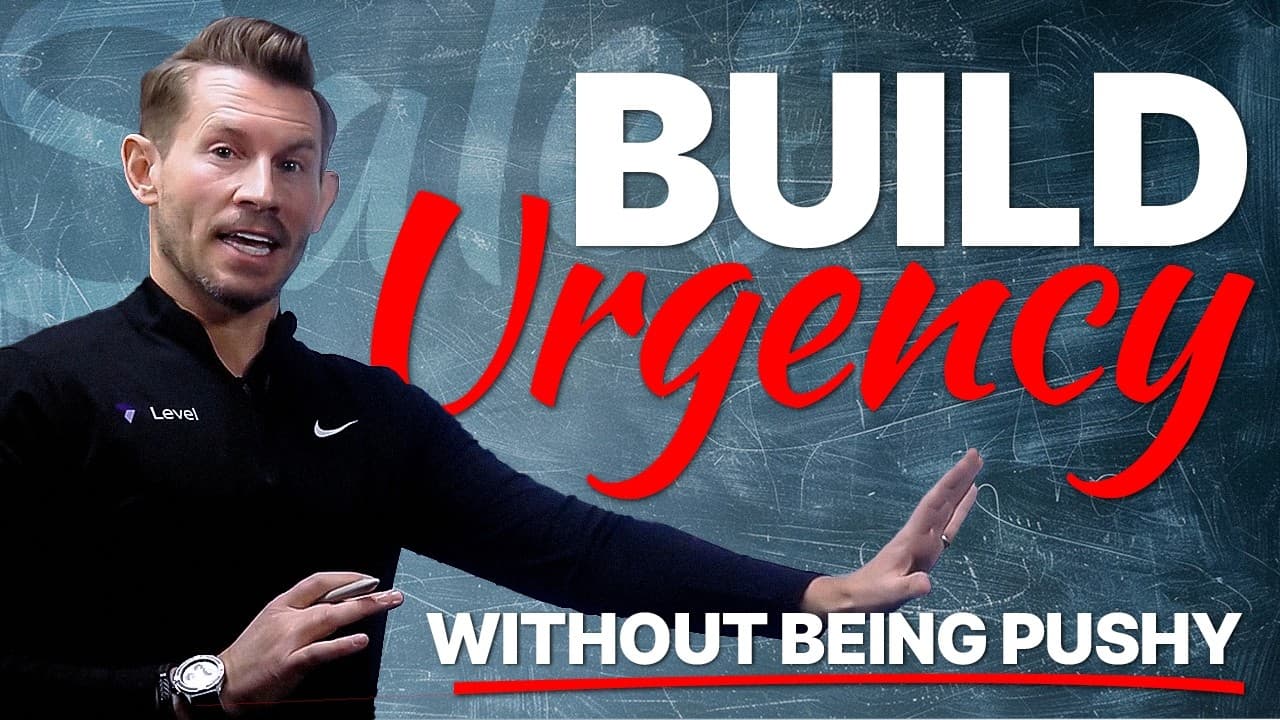
Create urgency by asking consequence questions that help prospects examine what will happen if their problem remains unresolved. Use a concerned, empathetic tone, lower resistance before challenging the decision, and connect inaction to consequences the prospect already disclosed. This encourages prospects to defend their own reasons for changing instead of forcing the salesperson to argue for the purchase.
Transcript
Hey, if you're a salesperson and you're having a hard time with prospects, like procrastinating, you're having longer sales cycles, you're always doing follow-ups, I'm going to show you three things that you have to start learning to build massive urgency to make the sale now rather than the prospect keep pushing down the road. Come to the buy boar... Read More
Key Insights
- NEPQ stands for neuro emotional persuasion question, and consequence questions are used to help prospects examine the personal or business effects of leaving an acknowledged problem unresolved.
- Sales urgency is built by encouraging prospects to question whether delaying action could be a mistake, while using language and tone that prevent them from feeling attacked or pressured.
- A prospect's own defense of change is more persuasive within the conversation than a salesperson arguing for the purchase, because the prospect states why the current situation should not continue.
- Tonality is how a prospect interprets the salesperson's intention, so a concerned voice can signal empathy while an aggressive or defensive delivery can raise resistance.
- Calling a prospect is preferable to emailing when handling a delayed decision because the salesperson can hear the prospect's tone, clarify the real concern, and respond during the conversation.
- Disarming the prospect works by asking permission to raise a concern and signaling an exit, such as saying the prospect can respond later, which reduces expectations of a prolonged sales push.
- A consequence question is grounded in a serious outcome the prospect already recognizes, then asks what could happen if the underlying problem continues without a solution.
- NPQ looping uses another consequence question after the prospect responds, such as asking why change is important now instead of allowing the problem and its consequences to continue.
Install to Summarize YouTube Videos and Get Transcripts
Explore YouTube Video Summarizer or Get YouTube Transcript Extractor
Questions & Answers
Q: How do consequence questions create urgency in sales?
Consequence questions create urgency by directing attention to what may happen if an acknowledged problem remains unresolved. Rather than simply telling prospects to buy, the salesperson asks them to consider the effects of continued inaction. The goal is to make prospects question delay, explain why change matters, and connect a present decision with consequences they already recognize.
Q: What does NEPQ mean in the sales framework?
NEPQ stands for neuro emotional persuasion question. Within the framework described, NEPQ consequence questions help prospects consider whether they may be making a mistake by postponing action. They are also intended to encourage prospects to defend their reasons for changing and question why they have allowed an existing problem to remain the same.
Q: Why should a salesperson call instead of email after a rejection?
A phone call allows the salesperson to hear the prospect's tonality and lets the prospect hear the salesperson's intention. That makes it easier to identify the real concern, respond to an objection, and communicate empathy. Email removes these vocal signals, which can make the concern harder to understand and the objection harder to address directly.
Q: How can a salesperson lower a prospect's defenses?
A salesperson can lower resistance by signaling that the conversation will not become a prolonged sales push. The suggested approach is to acknowledge the prospect's message, say not to worry, ask permission to raise one concern, and mention that the prospect can respond later. This creates an exit and makes the next question feel less confrontational.
Q: Why is tonality important when asking sales questions?
Tonality shapes how the prospect interprets the reason behind a question. A concerned tone can communicate genuine empathy about the effects of inaction, while an aggressive or defensive tone can make the prospect feel challenged. The same words may therefore produce different reactions depending on whether the delivery lowers the prospect's guard or raises it.
Q: How should a salesperson ask whether a prospect is making a mistake?
The salesperson should ask permission and frame the issue with concern, such as asking how to communicate that the prospect might be making a mistake without causing offense. This wording avoids declaring that the prospect is wrong. Delivered empathetically, it can prompt the prospect to permit an honest discussion and become receptive to the underlying consequence question.
Q: How do you write an effective consequence question?
Start with a serious consequence connected to a problem the prospect has already disclosed and understands. Ask what will happen if that problem continues, then connect it to the broader outcome that matters. In the marketing agency example, unqualified leads contribute to losing strong representatives, so the question links continued poor leads with difficulty scaling the company.
Q: What is NPQ looping in objection handling?
NPQ looping means returning with another consequence question after the prospect answers the first one. If the prospect says the unwanted outcome should not happen, the salesperson can ask why solving the issue is important now rather than postponing it. The second question deepens reflection and encourages the prospect to state a personal reason for taking action.
Summary & Key Takeaways
-
NEPQ consequence questions are presented as a way to reduce procrastination, shorten sales cycles, and limit repeated follow-ups. The questions are designed to introduce doubt about delaying, prompt prospects to defend why change matters, and make them reconsider why they have allowed an identified problem to continue without taking action.
-
When a prospect postpones or chooses another direction, calling is recommended because both parties can hear tone and respond immediately. The salesperson first lowers resistance by signaling a limited, nonaggressive conversation, asking permission to raise a concern, and acknowledging that the prospect can return to the matter later.
-
Effective consequence questions repeat the serious outcome connected to a problem the prospect previously described. The delivery begins with a challenging tone to trigger emotion and ends with a concerned tone to communicate empathy. Follow-up questions can then loop back to urgency by asking why resolving the issue matters now.
Read in Other Languages (beta)
Share This Summary 📚
Summarize YouTube Videos and Get Video Transcripts with 1-Click
Try YouTube Summary with ChatGPT & Claude or YouTube Transcript Generator
Explore More Summaries from Jeremy Miner 📚




Summarize YouTube Videos and Get Video Transcripts with 1-Click
Try YouTube Summary with ChatGPT & Claude or YouTube Transcript Generator