How Can Content Creators Use the Obsidian App Effectively?
TL;DR
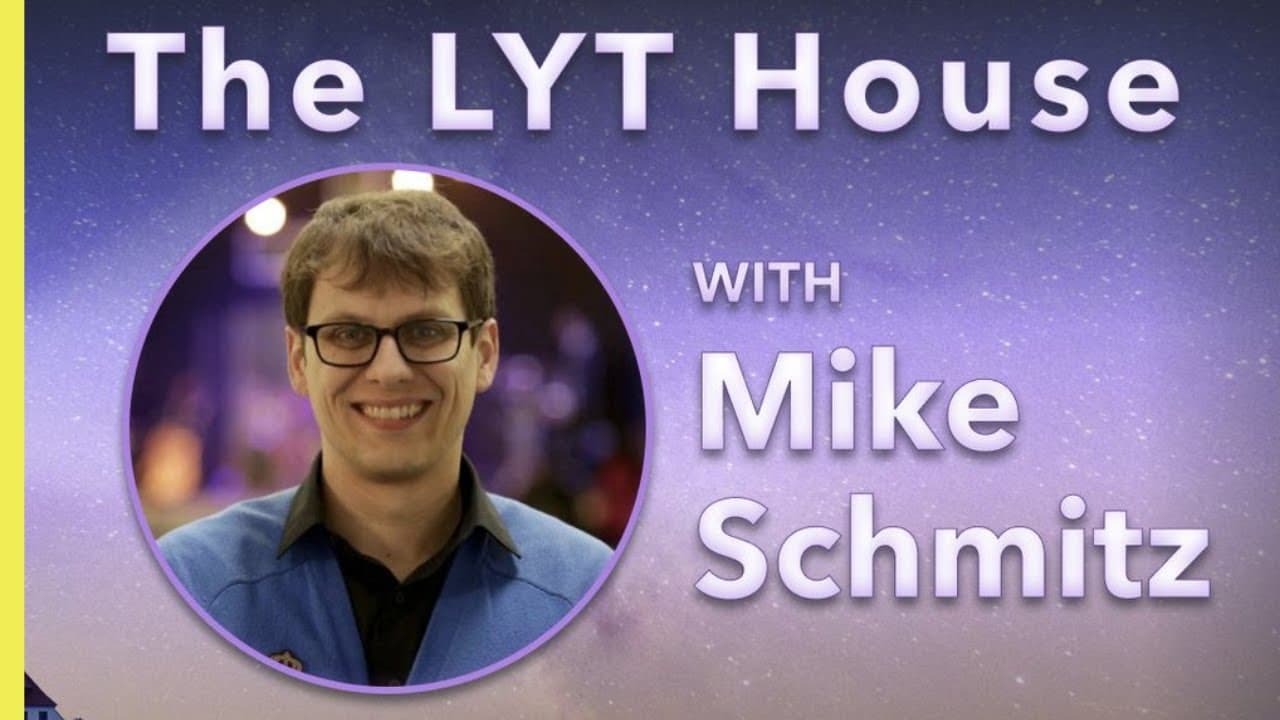
Content creators can use the Obsidian app effectively by organizing their notes with YAML metadata, utilizing mind maps, and implementing daily questions for reflection. This holistic approach enhances personal knowledge management and streamlines content creation processes. Additionally, personal retreats can help creators set clear goals and consolidate their insights.
Transcript
let me just start here with the bookworm section so i have a note in here for every episode of the podcast that we've done and these notes look something like this i'll go into edit mode so you can see everything that's in here so i have this yaml metadata at the top which just tags it with bookworm but then also has joe's rating for the book and m... Read More
Key Insights
- 😀 Obsidian is a powerful note-taking app that offers features like organization, mind mapping, and plugin support.
- 📔 The course covers various workflows, such as YAML metadata usage, sketch notes, and daily questions, to enhance personal knowledge management.
- 🥅 Personal retreats can be valuable for reflection, goal setting, and note consolidation.
- 🇮🇲 Book recommendations include "The Great Mental Models," "Liminal Thinking," and "Man's Search for Meaning," which provide different perspectives on personal growth and understanding.
Install to Summarize YouTube Videos and Get Transcripts
Explore YouTube Video Summarizer or Get YouTube Transcript Extractor
Questions & Answers
Q: Can you explain the concept of YAML metadata and how it is used in Obsidian?
YAML metadata is a way to tag notes with specific information, such as ratings, categories, or timestamps. It allows for easy sorting and filtering of notes based on these metadata tags.
Q: How do you avoid note-making becoming simply a compilation of captured texts?
One way to avoid this is by adding your own opinions and insights to your notes. Articulating your thoughts and connections between ideas helps to add value and prevent your notes from becoming a mere mashup of captured texts.
Q: What are the advantages of a single vault for personal and professional notes?
A single vault allows for greater connectivity and the ability to see connections and relationships between different types of notes. However, if there are sensitive or confidential notes, it is advisable to keep them in a separate vault for security purposes.
Q: How do you approach making sketch notes in GoodNotes?
Sketch notes in GoodNotes can be created by drawing images and adding text as needed. GoodNotes offers features like undo and snaps to create perfect shapes. It's a combination of practice, experimentation, and utilizing digital tools to create visually appealing sketch notes.
Q: What is the difference between the Sweet Setup course on Obsidian and the Linking Your Thinking workshop?
The Sweet Setup course focuses on the practical aspects of using Obsidian, while the Linking Your Thinking workshop takes a broader approach to information management and thinking processes. The workshop emphasizes community engagement and in-depth exploration of personal knowledge management principles.
Summary & Key Takeaways
-
The course covers the use of Obsidian and its features, such as organizing notes, creating mind maps, and utilizing plugins for enhanced functionality.
-
The instructor shares personal workflows and strategies for effective note-taking, including the use of YAML metadata, sketch notes, and daily questions.
-
The course explores the concept of personal retreats and how they can be used to reflect on past accomplishments and set goals for the future.
-
Various book recommendations are shared, including "The Great Mental Models" by Rhiannon Beaubien and Shane Parrish, "Liminal Thinking" by Dave Gray, and "Man's Search for Meaning" by Viktor Frankl.
Read in Other Languages (beta)
Share This Summary 📚
Summarize YouTube Videos and Get Video Transcripts with 1-Click
Try YouTube Summary with ChatGPT & Claude or YouTube Transcript Generator
Explore More Summaries from Linking Your Thinking with Nick Milo 📚

Summarize YouTube Videos and Get Video Transcripts with 1-Click
Try YouTube Summary with ChatGPT & Claude or YouTube Transcript Generator