What Are the Longevity Benefits of Protein and Strength Training?
TL;DR
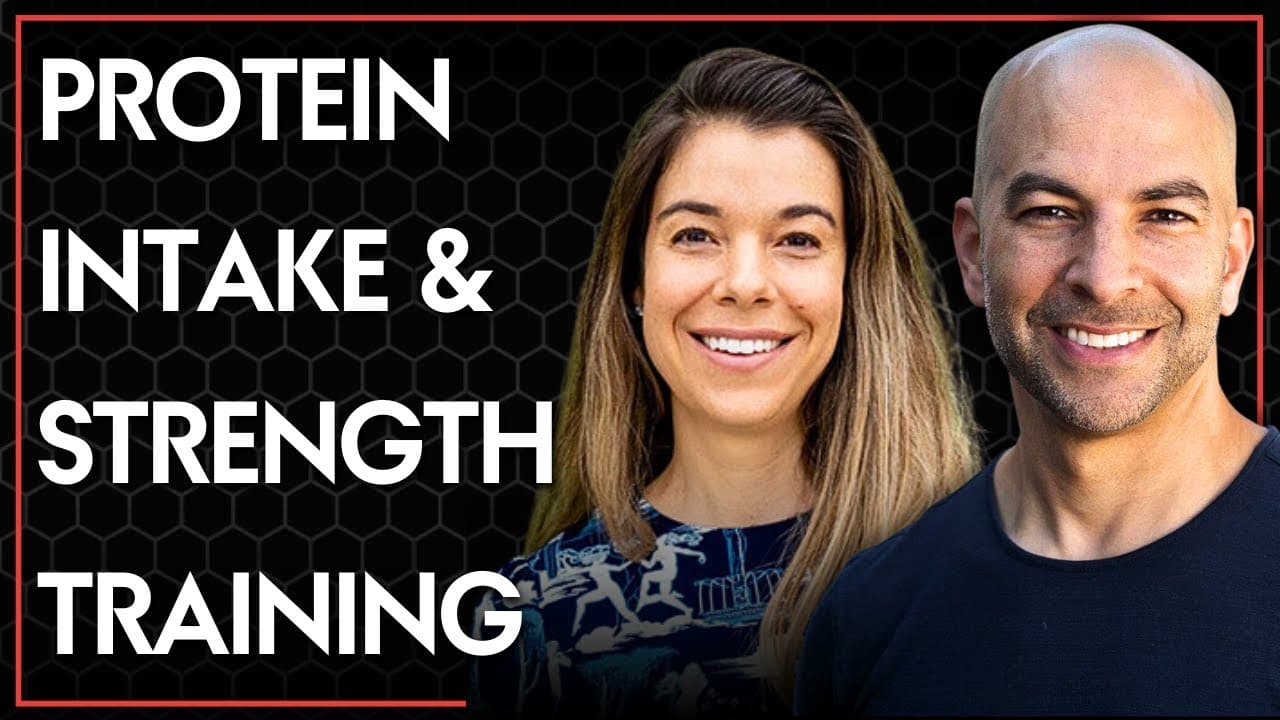
To promote longevity, consuming adequate protein and engaging in strength training are essential. Research indicates that a protein intake of 1.2 to 1.8 grams per kilogram of body weight can help prevent sarcopenia, reduce mortality, and enhance overall health, especially in aging populations. Combining these practices is critical for supporting muscle mass and combating frailty as you age.
Transcript
so let's set this up for listeners because you know you and I have talked about this a lot in fact I remember probably the last time this is pre-covered because we were both in San Diego you and your husband were for dinner I think I cooked up some fresh venison that I had just killed and we were kind of talking about protein and I think at the tim... Read More
Key Insights
- 😘 Lower protein intake for longevity and higher protein intake for better health outcomes have caused conflicting discussions.
- ✳️ Animal studies on protein restriction may not fully apply to humans due to differences in disease risks and aging.
- 🧓 Strength training and adequate protein intake are crucial for preventing sarcopenia and reducing mortality and disease risks in older adults.
- ✳️ In older populations, the absolute risk reduction associated with higher protein intake outweighs any potential risks, making it vital for healthy aging.
- 👶 The recommended daily allowance for protein may need reassessment, with newer studies suggesting that a minimum effective dose of 1.2-1.8 grams per kilogram of body weight may be necessary.
- 🖐️ Exercise-induced increases in IGF-1 through protein intake play essential roles in brain health, neurogenesis, and muscle repair.
- 🎙️ More videos with Rhonda Patrick / Peter Attia:
Install to Summarize YouTube Videos and Get Transcripts
Explore YouTube Video Summarizer or Get YouTube Transcript Extractor
Questions & Answers
Q: How does conflicting evidence on protein intake and longevity create confusion?
Animal studies have shown contradictory results, with some suggesting that lower protein intake extends lifespan while others indicate that higher protein intake is associated with better health outcomes. The challenge lies in translating these findings to humans and considering confounding factors like age, lifestyle, and disease risks.
Q: What role does muscle mass and strength training play in healthy aging?
Maintaining muscle mass is crucial for preventing sarcopenia and improving overall health in older adults. Adequate protein intake, coupled with strength training, helps combat muscle loss and reduces the risk of mortality, dementia, and other age-related diseases.
Q: Is there a quantifiable increase in cancer risk associated with higher protein intake?
While some studies suggest a potential link between high protein intake and increased cancer risk, the data remain inconclusive. Furthermore, the devastating impact of sarcopenia on aging and mortality outweighs any questionable risks, making adequate protein intake and strength training essential for healthy aging.
Q: How do animal studies on lifespan extension through protein restriction differ from human realities?
Animal studies often take place in a controlled, sterile environment, while humans are exposed to various disease risks and lifestyle factors. Humans can lose muscle mass rapidly during periods of immobility, emphasizing the importance of maintaining muscle mass through protein intake and exercise.
Key Insights:
- Lower protein intake for longevity and higher protein intake for better health outcomes have caused conflicting discussions.
- Animal studies on protein restriction may not fully apply to humans due to differences in disease risks and aging.
- Strength training and adequate protein intake are crucial for preventing sarcopenia and reducing mortality and disease risks in older adults.
- In older populations, the absolute risk reduction associated with higher protein intake outweighs any potential risks, making it vital for healthy aging.
- The recommended daily allowance for protein may need reassessment, with newer studies suggesting that a minimum effective dose of 1.2-1.8 grams per kilogram of body weight may be necessary.
- Exercise-induced increases in IGF-1 through protein intake play essential roles in brain health, neurogenesis, and muscle repair.
- Clarification is needed to distinguish protein intake recommendations for obese individuals focused on weight loss versus physically active individuals concerned with muscle preservation.
Summary & Key Takeaways
-
The discussion revolves around the debate between lower protein intake for a longer life and higher protein intake to avoid frailty and mortality.
-
Animal studies have suggested that restricting protein intake can extend lifespan, but these findings may not fully apply to humans due to differences in aging and disease risks.
-
Exercise physiologists and researchers are exploring the importance of protein intake, strength training, and muscle mass in relation to all-cause mortality, neurogenesis, and disease prevention.
Read in Other Languages (beta)
Share This Summary 📚
Summarize YouTube Videos and Get Video Transcripts with 1-Click
Try YouTube Summary with ChatGPT & Claude or YouTube Transcript Generator
Explore More Summaries from Peter Attia MD 📚

Summarize YouTube Videos and Get Video Transcripts with 1-Click
Try YouTube Summary with ChatGPT & Claude or YouTube Transcript Generator