How to Stop Cravings From Carrot Cake and Reset Dopamine
TL;DR
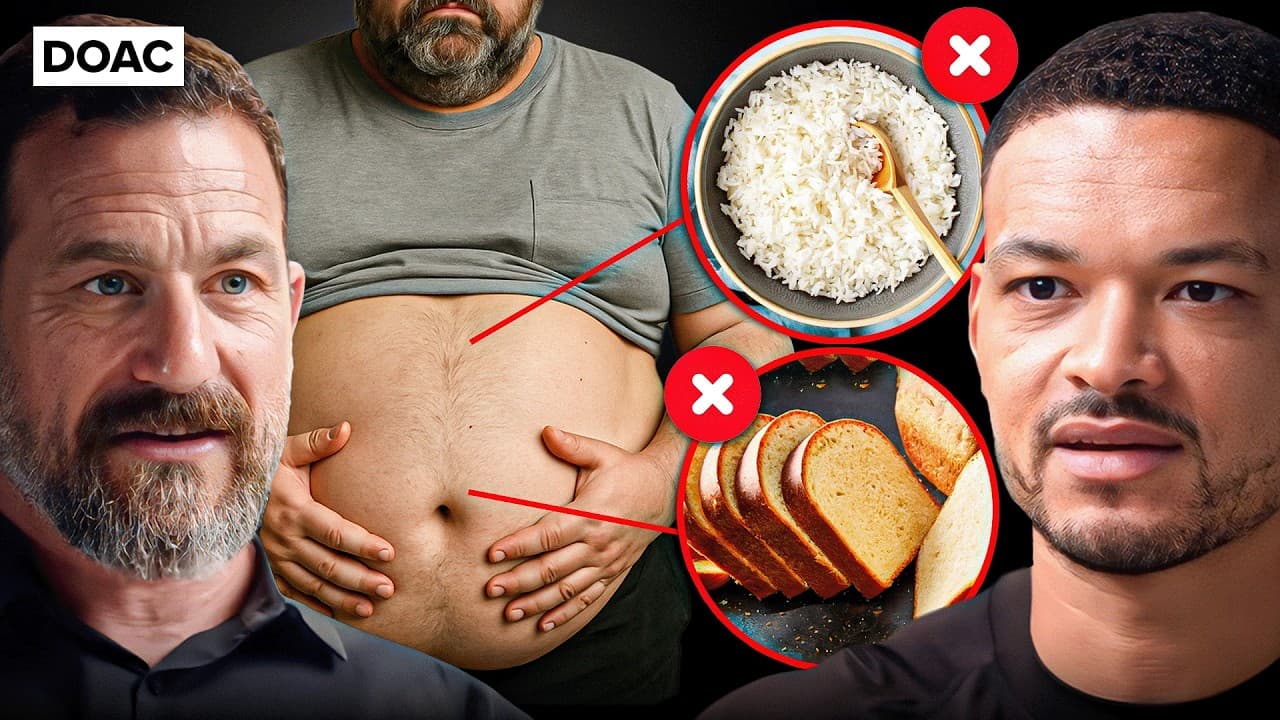
Cravings surge when dopamine spikes then crashes, especially with carrot cake and other processed foods. A two week shift to whole, unprocessed foods like meat, fish, eggs, fruit, and vegetables can retrain taste and reduce cravings, making healthier options more appealing and sustaining weight loss or energy gains without extreme restriction.
Transcript
I had that carrot cake yesterday, which no one knows about. I kept it to myself. But does that mean that I'm more likely with the understanding of dopamine to want carrot cake again tomorrow, the day after, because I've got into a bit of a carrot cake cycle? Because I think everybody when they think about the relationship with sugar understands tha... Read More
Key Insights
- X is the dopamine system that drives craving, where a peak followed by a trough increases the urge for more. This mechanism explains why sweets feel compelling after a single bite and why abstaining can reset the response.
- The key to reducing cravings is a diet shift toward whole, unprocessed foods like meat, fish, eggs, fruit, and vegetables, which helps retrain taste and reward without focusing on deprivation.
- The presence of bread, pasta, and processed foods magnifies craving cycles; removing these items can recalibrate taste and energy, making healthier foods more appealing over time.
- The dopamine cycle can be interrupted by a temporary dietary intervention, where withdrawal from indulgent foods leads to diminished cravings and improved satisfaction with healthier options.
- A two week dietary intervention can realign taste with calories and nutrients, so that indulgent foods taste less appealing after the reset.
- Regular exposure to sunlight, better sleep, and consistent exercise amplify the benefits of dietary changes on mood and energy, reinforcing healthier choices.
- Cravings are not just about willpower; they reflect learned associations between food, taste, and calories, which can be reshaped through deliberate dietary choices.
- Maintaining flexibility and allowing occasional treats can help sustain long term adherence, preventing a sense of restriction that often leads to relapse.
- More videos from this channel:
- More from this channel: The Diary Of A CEO Clips
Install to Summarize YouTube Videos and Get Transcripts
Explore YouTube Video Summarizer or Get YouTube Transcript Extractor
Questions & Answers
Q: What causes cravings to intensify after eating processed foods
Cravings intensify because processed foods trigger a dopamine spike followed by a trough, creating a cycle that makes the next portion feel more rewarding or necessary. This repeated pattern trains the brain to seek more of the same food, reinforcing habitual indulgence and making restraint more difficult over time.
Q: How can a two week diet change impact cravings
A two week diet focused on whole, unprocessed foods helps rewire the brain by altering the perceived reward value of foods. As the body adapts, taste and satisfaction shift toward healthier options, reducing the appeal of sugary or highly processed snacks and supporting clearer energy and mood throughout the day.
Q: What foods are recommended in the discussed diet plan
The recommended diet centers on meat, fish, eggs, chicken, fruit, and vegetables, with water and caffeine as beverages and no calorie rich drinks. This approach emphasizes minimally processed foods to curb cravings and improve satiety, while avoiding restrictive rules that feel punitive.
Q: Do occasional indulgences ruin the diet discussed
Occasional indulgences do not ruin the plan; the approach allows for celebrations and treats, recognizing that balance and sustainable habits are more effective long term. After a controlled indulgence, people typically return to the healthier pattern, continuing to see benefits in cravings and energy.
Q: Why does removing bread and pasta help with cravings
Removing bread and pasta reduces highly processed carbohydrate intake, which can unbalance insulin and dopamine responses. By avoiding these fillers, the body learns to associate whole foods with satisfying fullness and taste, making nutrient dense meals feel more rewarding and less crave inducing.
Q: How does sunlight and sleep influence dietary outcomes
Sunlight, sleep, and exercise influence dietary outcomes by stabilizing mood, energy levels, and circadian rhythms. When these factors are optimized, motivation to maintain healthy eating increases, cravings diminish, and overall adherence to a nutritious pattern improves.
Q: What role does exercise play in the dopamine cycle and cravings
Exercise enhances mood and energy, which supports adherence to healthier eating. Regular activity reduces the urge for quick snacks by increasing endorphins and improving sleep quality, making it easier to choose nutritious meals over indulgent options.
Q: Is strict elimination dieting healthy according to the transcript
The transcript cautions that strict elimination diets can be problematic if they remove essential nutrients, like fiber, and emphasizes a balanced approach. It advocates for a flexible plan centered on nutrient dense foods to avoid long term health risks while still reducing cravings.
Summary & Key Takeaways
-
This segment explains that highly processed foods trigger a dopamine cycle of peaks and troughs, leading to repeated cravings. It also suggests that a two week dietary intervention centered on whole foods can rewire taste and reward associations, reducing the lure of sugar and snacks.
-
The speaker emphasizes a practical approach to dieting that avoids extreme restriction and supports sustainability, including occasional indulgences and the importance of sunlight, sleep, and exercise in reinforcing healthy eating.
-
The discussion also covers the idea that dietary changes can change perceptions of food value, so even after holidays or celebrations, healthful eating can feel rewarding and enjoyable rather than punishing.
Read in Other Languages (beta)
Share This Summary 📚
Summarize YouTube Videos and Get Video Transcripts with 1-Click
Try YouTube Summary with ChatGPT & Claude or YouTube Transcript Generator
Explore More Summaries from The Diary Of A CEO Clips 📚





Summarize YouTube Videos and Get Video Transcripts with 1-Click
Try YouTube Summary with ChatGPT & Claude or YouTube Transcript Generator