How Is AI Reshaping Work for Tech Employees?
TL;DR
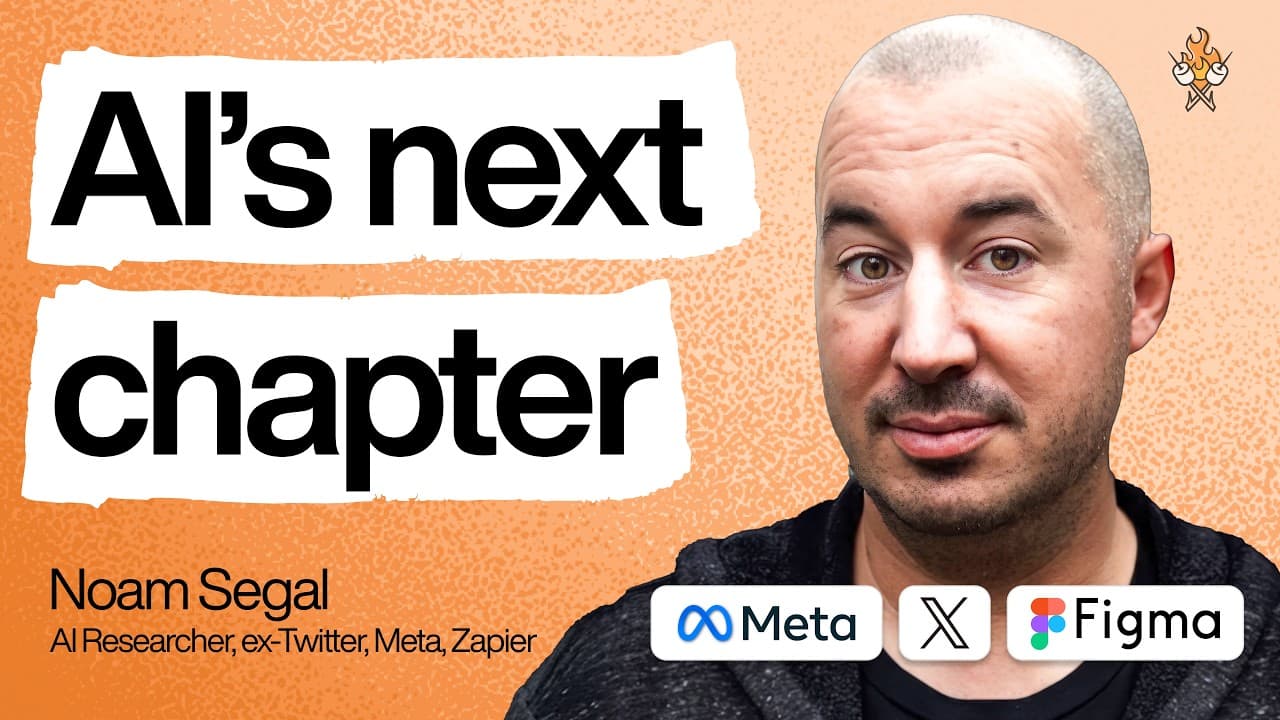
AI is dividing tech workers almost evenly: half feel more capable and energized, while the rest feel redefined, destabilized, or diminished. The survey of about 6,000 workers also found rising burnout, declining optimism, and a leading fear that AI will increase expectations without increasing pay, rather than simply eliminate jobs.
Transcript
Bad news for the tech community. >> Burnout at work is a major problem and AI could add to this already overwhelmed employee problem. >> The honeymoon period with AI is over. When people are asked, what what are you afraid of? Losing my job to AI is actually second to last. What we saw rise up to the top is the expectation to do more for the same p... Read More
Key Insights
- AI has divided the technology workforce almost evenly, with half of surveyed workers feeling energized and amplified while the other half experience uncertainty or negative emotions about how their work and professional identity are changing.
- AI has affected the professional identity of nearly every respondent, with only 3% reporting no shift. Its influence on how workers feel about their jobs exceeds the effects associated with role, company, company size, or organizational level.
- Half of tech workers feel amplified by AI because they believe it helps them accomplish more or produce better work. This group expresses positive emotions about the technology, their capabilities, and the future of their roles.
- Role redefinition affects 27% of respondents, who recognize that their work is fundamentally changing but lack a clear positive or negative interpretation. Their defining experience is uncertainty about what the transformation will ultimately mean.
- Destabilization affects 14% of surveyed workers and is associated with anxiety, limited clarity, pessimism, and a sense that the ground beneath their careers is shifting. These workers see AI as a source of professional instability.
- Professional diminishment affects 5% of respondents, who believe AI has taken away part of their value or capabilities. Their concern is intensified by the expectation that AI models will continue improving rather than return to earlier levels.
- Burnout increased by 11 points in one year while optimism declined, reversing the previous survey's combination of high burnout and relatively strong optimism. The findings depict a workforce under mounting pressure during rapid technological change.
- The leading AI-related fear is increased output expectations without increased pay, not direct job loss. Managers are identified as the strongest lever for employee well-being, giving organizational leaders substantial influence over how workers experience the transition.
Install to Summarize YouTube Videos and Get Transcripts
Explore YouTube Video Summarizer or Get YouTube Transcript Extractor
Questions & Answers
Q: How is AI changing the professional identity of tech workers?
AI is changing professional identity by altering how workers judge their capabilities, value, and future roles. Only 3% of survey respondents said AI had not shifted their identity. Half felt amplified and able to do more or better work, while others described their roles as redefined, their careers as destabilized, or their professional value as diminished.
Q: What are the main emotional groups among tech workers using AI?
The survey separates workers into four broad experiences described in the discussion and description as energized, conflicted, disoriented, and resentful. In the reported identity results, 50% feel amplified, 27% believe their roles are being redefined, 14% feel destabilized, and 5% feel diminished. These groups capture enthusiasm, uncertainty, anxiety, and perceived loss of professional value.
Q: Why do half of tech workers feel amplified by AI?
Half of surveyed tech workers feel amplified because AI appears to help them accomplish more and improve the quality of their work. They associate the technology with positive emotions, greater energy, and excitement about their future roles. Their experience contrasts with workers who lack clarity about changing responsibilities or feel that AI is weakening their professional position.
Q: Why are some tech workers feeling destabilized by AI?
Workers feel destabilized when rapid technological change makes their career direction and professional role difficult to understand. The 14% in this group report limited clarity, high anxiety, pessimism, and a sense that the ground beneath them is moving. Their concern reflects uncertainty about what AI-driven changes will mean, rather than one clearly defined workplace outcome.
Q: What is the biggest AI-related fear among tech employees?
The leading fear is being expected to produce more work for the same pay. Losing a job to AI ranked second to last when respondents were asked what they feared. The result suggests that immediate concerns center on workload, compensation, and escalating performance expectations, rather than only on the possibility that technology will directly replace employees.
Q: How has burnout among technology workers changed?
Burnout increased by 11 points compared with the previous annual survey, while optimism declined. The earlier survey characterized workers as burned out but still optimistic, whereas the newer results show a more troubling combination of rising exhaustion and weakening confidence. The shift occurs as AI changes roles, expectations, professional identities, and perceptions of career stability.
Q: How strongly does AI affect overall employee well-being?
AI's effect on professional identity correlates strongly with other measures of how workers are doing, including anxiety, optimism, and views of the future. The reported impact is larger than differences associated with job role, employer, company size, or organizational level. Workers who feel amplified therefore report a markedly different experience from those who feel destabilized or diminished.
Q: What can technology leaders do to support workers during AI adoption?
Technology leaders can focus on management because managers are identified as the single biggest lever for employee well-being. They should recognize that employees are not experiencing AI uniformly: some feel energized, while others feel confused, anxious, or diminished. Addressing workload expectations, role clarity, compensation concerns, and uncertainty can respond directly to the pressures documented by the survey.
Summary & Key Takeaways
-
An annual sentiment survey of about 6,000 people across product, engineering, design, research, marketing, and other technology roles found a sharply divided workforce. Half feel amplified by AI, while nearly everyone reports that the technology has changed how they understand their professional identity and future.
-
The less positive half includes workers who see their roles being redefined, feel destabilized by uncertainty, or believe AI has diminished their professional value. These identities correlate strongly with broader measures of well-being, anxiety, optimism, and career expectations, suggesting that AI shapes far more than daily productivity.
-
Burnout increased by 11 points from the previous survey, optimism declined, and workers were more worried about doing additional work for unchanged pay than losing their jobs directly to AI. The discussion identifies managers as the strongest lever for employee well-being and offers practical guidance for workers and leaders.
-
Key Insightses
Read in Other Languages (beta)
Share This Summary 📚
Summarize YouTube Videos and Get Video Transcripts with 1-Click
Try YouTube Summary with ChatGPT & Claude or YouTube Transcript Generator
Explore More Summaries from Lenny's Podcast 📚






Summarize YouTube Videos and Get Video Transcripts with 1-Click
Try YouTube Summary with ChatGPT & Claude or YouTube Transcript Generator