How to Scale Enterprise Sales from $1M to $10M
TL;DR
Enterprise sales growth comes from targeting high-value organizations, casting a compelling vision, and building relationships that help buyers champion the deal internally. Founders should treat lower-end enterprise as enterprise, pursue tier-one logos early, avoid relying on discounts, differentiate before becoming one of several comparable vendors, and use services or design partnerships to secure an initial foothold.
Transcript
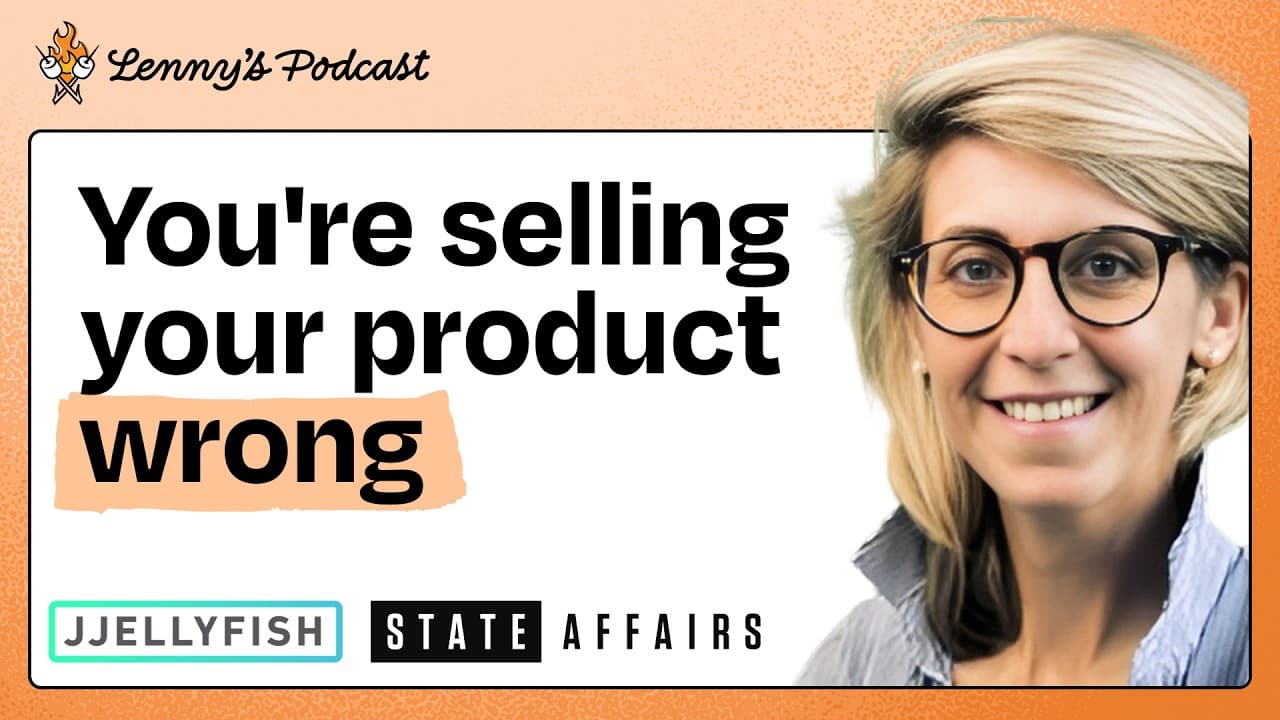
You need to vision cast. You need to sell to a gap. Don't sell to a problem. When you're selling to a leader, you need to be selling an opportunity. The market doesn't want to be sold to. They want to buy. Most founders would rather get 10 10k deals than lose nine and get one 100k deal. In the very early days, people will discount till the cows com... Read More
Key Insights
- The mid-market is not a distinct sales motion because companies placed in that category usually behave like either upper-end small businesses or lower-end enterprises. Combining those motions creates confusion about required talent, contract value, marketing support, and the buying process founders must navigate.
- Enterprise selling differs sharply by organizational size. A 100-person company and a 1,000-person company cannot be approached with one hybrid method because decision structures, procurement requirements, and sales complexity differ. Founders should identify which game they are playing before designing their go-to-market strategy.
- Tier-one logos can be valuable early customers because market leaders must defend their position and continually search for incremental advantages. Their desire to remain leaders can make them willing to test emerging products, influence roadmaps, and help young vendors understand valuable enterprise requirements.
- Enterprise urgency increases in the age of AI because vendors are competing to secure customer access before rivals occupy the same opportunity. The recommended approach is to reach enterprise accounts quickly, win an initial foothold, and avoid assuming that smaller customers are always the safest learning environment.
- Vision casting is the core of selling to senior leaders. A founder should sell the gap between the buyer's current state and a valuable future opportunity, showing what the organization will be able to accomplish tomorrow because of the product or service delivered today.
- Differentiation is essential before a vendor becomes one of several comparable options. Once a buyer treats the product as one of three alternatives under evaluation, the seller has already lost leverage. The sales narrative must establish unique value before feature and price comparisons dominate.
- Excessive discounting can create a false impression of success and product-market fit. Customers who continually negotiate small price reductions may not fully believe in the proposed value, while strongly committed buyers are more likely to focus on the outcome and the relationship.
- Enterprise deal crafting is a creative, relationship-based process. Trusted customer contacts may search for internal solutions, accelerate approvals, or help close a deal within an important period when they know the vendor is dependable and understand why completing the transaction matters.
Install to Summarize YouTube Videos and Get Transcripts
Explore YouTube Video Summarizer or Get YouTube Transcript Extractor
Questions & Answers
Q: How should founders approach the enterprise market?
Founders should separate small-business selling from enterprise selling instead of relying on a vague mid-market category. They should determine whether a target behaves like upper-end small business or lower-end enterprise, then build the appropriate motion. Enterprise selling is generally sales-led and requires attention to organizational complexity, internal relationships, procurement, contract value, and a differentiated vision of the buyer's future.
Q: Why does Jen Abel say the mid-market does not exist?
The mid-market lacks a consistent definition because people classify it using revenue, market capitalization, employee count, or other measures. More importantly, organizations grouped under that label do not share one buying motion. A 100-person organization behaves differently from a 1,000-person organization. Jen Abel therefore recommends classifying targets as upper-end small businesses or lower-end enterprises and selling accordingly.
Q: Why can tier-one logos make strong early customers?
Tier-one organizations must keep defending their leadership positions, so they continually seek even small sources of advantage. That incentive can make them willing to test products from emerging companies and participate in shaping the roadmap. Their feedback can also reveal requirements with significant commercial value, potentially helping a vendor expand a $100,000 deal into a million-dollar deal over time.
Q: Should startups avoid enterprise customers at the beginning?
Startups should not automatically avoid enterprise customers merely because the sales cycle and procurement process can be more complicated. The transcript argues that leading companies can be early adopters because they want advantages that preserve their market position. In the age of AI, reaching these accounts quickly can also help a vendor secure a foothold before another company captures the opportunity.
Q: How do founders sell effectively to enterprise leaders?
Founders should vision-cast by presenting an opportunity rather than limiting the conversation to an existing problem. The message should define the gap between the organization's current position and a more valuable future state. A useful enterprise narrative explains what the buyer will be able to do tomorrow because of the way the vendor serves the organization today, making the outcome strategically meaningful.
Q: Why is discounting risky in early enterprise sales?
Heavy discounting can conceal weak customer commitment. Founders may interpret a signed but deeply negotiated agreement as evidence of product-market fit, even when the buyer is primarily responding to a low price. The transcript suggests that customers who continually nickel-and-dime a vendor may not be fully bought into the value, while the best customers focus more strongly on the desired outcome.
Q: How does differentiation affect an enterprise deal?
Differentiation determines whether a vendor defines the buying conversation or becomes a replaceable option. The transcript argues that a seller has already lost ground once the buyer views the product as one of three comparable solutions being tested. Founders should establish unique value early, connect it to the buyer's future capabilities, and prevent the evaluation from collapsing into a feature or price comparison.
Q: Why are relationships important in enterprise sales?
Enterprise deals depend on people who trust the vendor enough to help navigate their organizations. When customers know they can call on a dependable partner, they may uncover internal paths, coordinate stakeholders, or accelerate a transaction. Jen Abel describes a Fortune 10 client who accepted a difficult request to complete a deal within the year because the relationship made the vendor's need personally meaningful.
Summary & Key Takeaways
-
The supposed mid-market is better understood as either upper-end small business or lower-end enterprise. Selling to a 100-person organization differs radically from selling to a 1,000-person organization, so founders must choose the correct motion. Small businesses are typically marketing-powered, while enterprise customers generally require a sales-led approach.
-
Tier-one companies can be strong early adopters because industry leaders must protect their position and continually seek small advantages. These customers may take chances on emerging vendors, help shape the roadmap, and provide feedback that can turn a $100,000 opportunity into a million-dollar relationship, although founders must retain control of product decisions.
-
Winning enterprise deals requires vision casting, differentiation, creative deal crafting, and genuine relationships. Leaders buy opportunities and future capabilities, not merely solutions to existing problems. Heavy discounting and competitive comparison can signal weak commitment, while trusted customer champions may navigate internal obstacles and accelerate procurement because they believe in the partnership.
Read in Other Languages (beta)
Share This Summary 📚
Summarize YouTube Videos and Get Video Transcripts with 1-Click
Try YouTube Summary with ChatGPT & Claude or YouTube Transcript Generator
Explore More Summaries from Lenny's Podcast 📚





Summarize YouTube Videos and Get Video Transcripts with 1-Click
Try YouTube Summary with ChatGPT & Claude or YouTube Transcript Generator