How to Communicate Assertively in Relationships
TL;DR
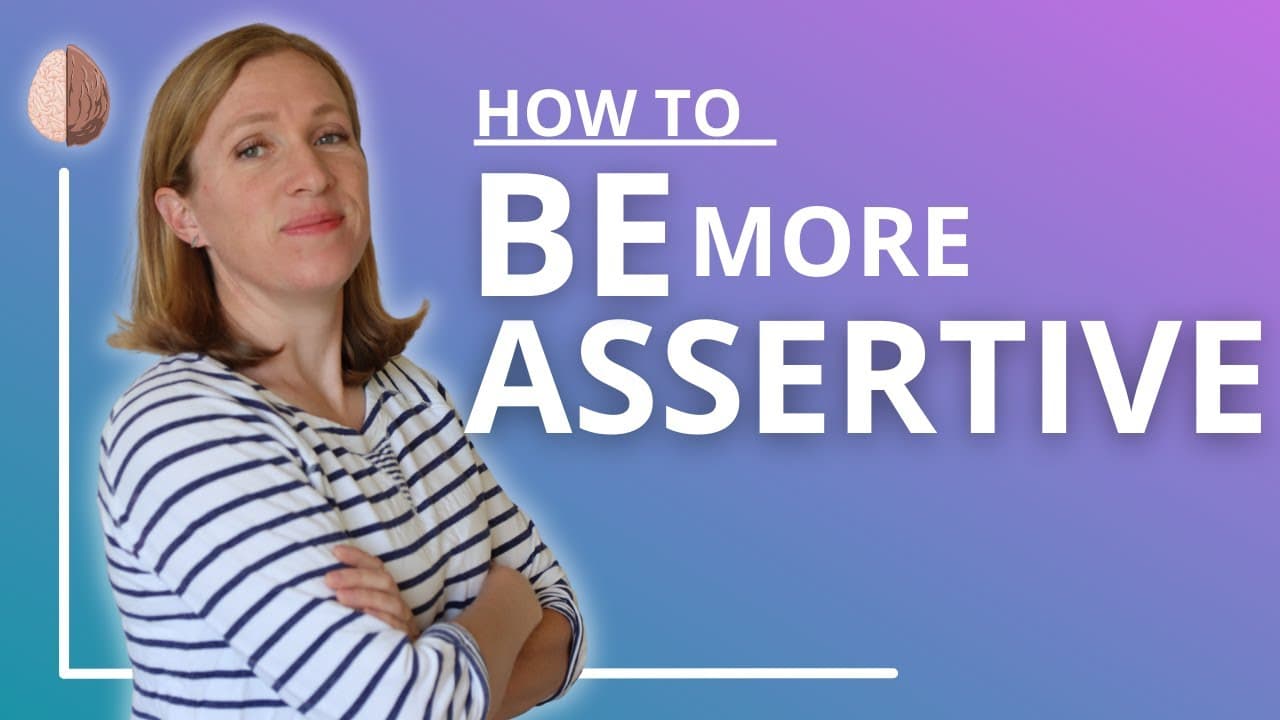
Assertive communication means expressing your thoughts, feelings, needs, and opinions openly, honestly, and respectfully. Using clear statements such as “I think,” “I feel,” and “I would like” may create temporary discomfort, but it strengthens trust, self-esteem, honesty, and security in relationships over time without requiring you to control others or always get your way.
Transcript
hello and welcome to day 24 of 30 skills in 30 days for better relationships in this section we're going to learn about assertiveness now i am not a natural at this but like all skills it is a skill that you can learn and practice until you're good at it this video is sponsored by better help where you can get professional affordable online counsel... Read More
Key Insights
- Assertiveness is the open and respectful expression of thoughts, feelings, needs, values, beliefs, and opinions. It involves standing up for yourself and others without becoming hostile, aggressive, demanding, or controlling, making it an act of respect for everyone involved.
- Assertiveness is a skill that can be learned and strengthened through practice. A person does not need to be naturally direct or confident to improve, because habitual communication patterns can be recognized and replaced with clearer, more honest ways of responding.
- Passive communication is conflict avoidance through silence, accommodation, or repeatedly giving in. It can appear kind and selfless initially, but it leaves others uncertain about what the passive person thinks while creating frustration, exhaustion, resentment, and feelings of being exploited.
- Aggressive communication is an attempt to force others to comply, even at the expense of their wishes or the relationship. It may include yelling, blaming, controlling behavior, and statements such as “you always” or “you never,” which can create additional relationship problems.
- Passive-aggressive communication is an indirect attempt to obtain what you want without taking responsibility for expressing it. Common forms include gossip, sarcasm, guilt trips, deliberate underperformance, secret undermining, and discussing a problem with third parties instead of addressing the person directly.
- Assertive communication is recognizable through respectful “I” language, clear opinions, constructive feedback, and direct problem solving. Statements such as “I think,” “I feel,” and “I would like” clarify your position without presenting your preference as an order that others must follow.
- The goal of assertiveness is honest discussion, not guaranteed agreement. Saying that you prefer sushi over pizza does not ensure that sushi will be chosen, but it allows everyone to discuss alternatives without relying on guessing, concealed frustration, or silent compliance.
- Temporary discomfort is compatible with respectful communication. Honest feedback, correcting a child, identifying food stuck in someone’s teeth, or discussing preferences with a partner may cause embarrassment or disappointment initially, yet still improve understanding and the relationship over time.
Install to Summarize YouTube Videos and Get Transcripts
Explore YouTube Video Summarizer or Get YouTube Transcript Extractor
Questions & Answers
Q: What is assertive communication in a relationship?
Assertive communication is the practice of expressing your thoughts, feelings, needs, preferences, values, and opinions openly and respectfully. It means standing up for yourself and others while also recognizing their wishes and dignity. The purpose is clear understanding and honest discussion, not control, hostility, or automatically getting the outcome you prefer.
Q: How can I communicate more assertively?
You can communicate more assertively by using direct “I” statements, such as “I think,” “I feel,” or “I would like.” State your preference respectfully, provide clear feedback when something needs improvement, and discuss problems directly with the person involved. Practice tolerating the awkwardness that may accompany honesty rather than avoiding the conversation or communicating indirectly.
Q: What is the difference between assertive and aggressive communication?
Assertive communication respects both your own needs and the other person’s rights, while aggressive communication tries to force others to comply at the expense of their wishes or the relationship. Assertiveness clearly states a preference and allows discussion. Aggression may involve yelling, controlling behavior, blame, or sweeping accusations such as “you always” and “you never.”
Q: Why can passive communication damage relationships?
Passive communication can damage relationships because withholding your real thoughts and needs makes your behavior difficult for others to interpret. Although silence and accommodation may avoid immediate conflict, they can create uncertainty and undermine trust. The passive person may also become frustrated, exhausted, resentful, or convinced that others are taking advantage of their willingness to comply.
Q: What are signs of passive-aggressive communication?
Signs of passive-aggressive communication include gossiping, venting about someone instead of speaking with them, using sarcasm to deliver a disguised insult, applying guilt trips, and secretly undermining another person. It can also involve doing a task poorly to avoid future assignments or discussing someone through third parties rather than addressing the problem directly.
Q: Does being assertive mean always getting what I want?
Being assertive does not mean demanding a particular result or always getting what you want. It means clearly and kindly placing your preference into the conversation. If one person wants sushi and another wants pizza, assertiveness ensures that both preferences can be discussed, even if the final choice is pizza, sushi, Mexican food, or another option.
Q: Why does assertiveness feel uncomfortable?
Assertiveness can feel uncomfortable because it requires vulnerability and may disappoint, embarrass, or inconvenience another person temporarily. People trained to be deferential or overly accommodating may also mistake directness for disrespect. However, respectful honesty reduces uncertainty and concealed frustration, helping relationships become more secure and straightforward over time even when the immediate conversation feels awkward.
Q: How does assertive communication improve self-esteem and trust?
Assertive communication can improve self-esteem because your outward behavior becomes more consistent with your values, beliefs, needs, and opinions. This creates greater personal integrity and honesty with yourself. It can also strengthen trust because other people no longer need to guess what you think, whether you agree, or whether concealed frustration is developing behind apparent compliance.
Summary & Key Takeaways
-
Assertiveness is a learnable communication skill that involves expressing thoughts, feelings, needs, and opinions openly while respecting yourself and other people. Although direct expression can feel vulnerable or awkward, it promotes integrity, improves self-esteem, reduces uncertainty, and helps others understand where you genuinely stand in a relationship.
-
Four communication styles are identified: passive, aggressive, passive-aggressive, and assertive. Passive communication avoids conflict and conceals personal needs. Aggressive communication attempts to control others. Passive-aggressive communication expresses resentment indirectly. Assertive communication addresses preferences and problems honestly, respectfully, and directly, making it the most constructive style for long-term relationships.
-
Practical assertiveness includes using “I” language, stating preferences, giving clear feedback, and addressing problems with the person involved. The objective is not to win every disagreement or always receive what you request. It is to begin an honest conversation in which everyone’s needs and opinions can be considered.
Read in Other Languages (beta)
Share This Summary 📚
Summarize YouTube Videos and Get Video Transcripts with 1-Click
Try YouTube Summary with ChatGPT & Claude or YouTube Transcript Generator
Explore More Summaries from Therapy in a Nutshell 📚




Summarize YouTube Videos and Get Video Transcripts with 1-Click
Try YouTube Summary with ChatGPT & Claude or YouTube Transcript Generator