Polyvagal Theory: What Are the 3 States of Anxiety in the Nervous System?
TL;DR
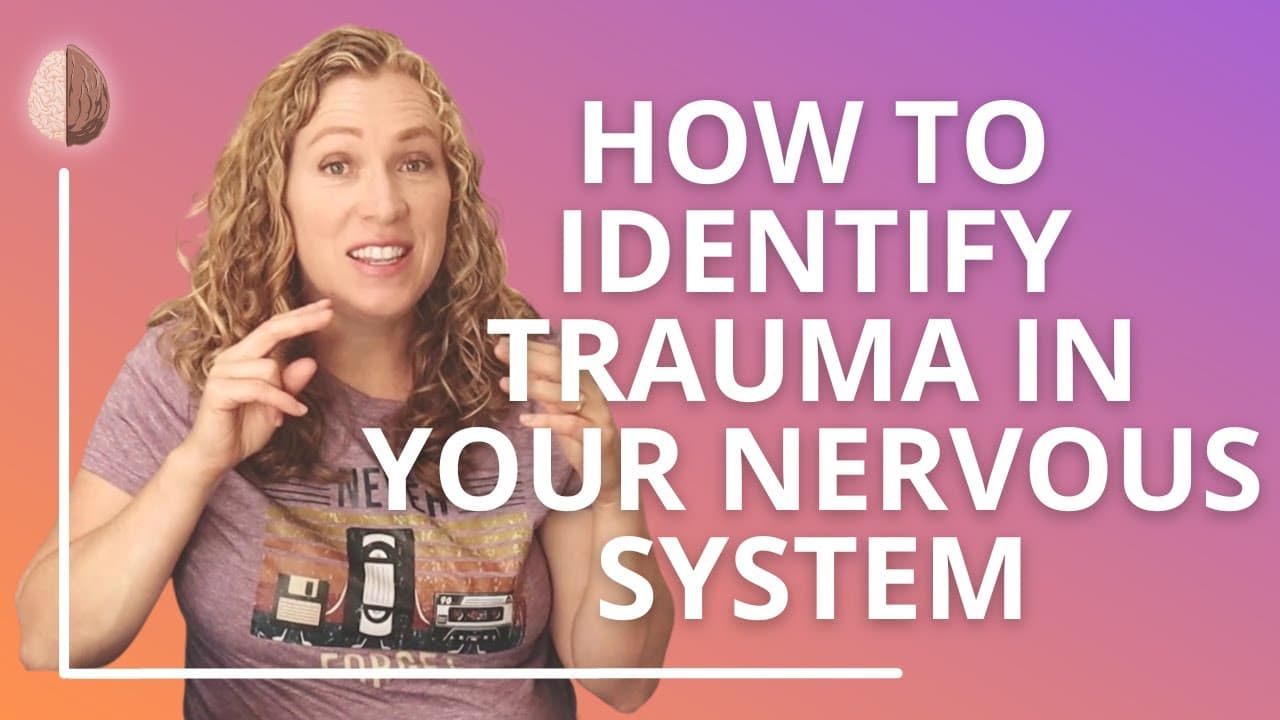
This anxiety video on YouTube explains how polyvagal theory connects anxiety to three nervous-system states: ventral vagal safety, sympathetic fight or flight, and dorsal vagal shutdown. Identifying your current state and its triggers is the first step toward choosing suitable self-regulation skills, spending more time feeling safe and social, and retraining habitual responses. Read on to recognize each state in your body.
Transcript
I once worked with a client who was smart, energetic, motivated, maybe a little anxious, but overall pretty high-functioning. But whenever we started to talk about her ex-boyfriend, the one who used to abuse her as a teenager, she would keep talking, she'd keep answering my my prompts, but I could tell that she would go numb. She'd say things l... Read More
Key Insights
- The nervous system has three states in the polyvagal framework: ventral vagal safety and connection, sympathetic fight or flight, and dorsal vagal shutdown. Identifying the current state is necessary because different patterns call for different self-regulation skills.
- Trauma is described as a habitual reflexive state of the nervous system, not only something held in thoughts or memories. A person may remain hypervigilant, frozen, or numb after danger has passed, creating problems with stress, health, and relationships.
- The ventral vagal state supports feeling calm, joyful, curious, grounded, and connected to other people. In this safe and social state, eye contact, learning, relaxation, digestion, circulation, and immune responses generally function better.
- The sympathetic state mobilizes the body for fight or flight. Fight can appear as anger, rage, irritation, or frustration, while flight can appear as anxiety, worry, fear, avoidance, or panic. Heart rate, blood pressure, and adrenaline increase as digestion decreases.
- The dorsal vagal state is a shutdown response to overwhelming threat. It may involve numbness, freezing, helplessness, heaviness, tiredness, dissociation, depersonalization, or depression, along with a desire to shrink, become quiet, and avoid drawing attention.
- The vagus nerve communicates in both directions between the brain and body. Its branches extend from the brain toward the pelvis, help regulate breathing, digestion, and immune activity, and contribute to bodily signals such as gut feelings, heart flutters, and stomach discomfort.
- The same situation can produce different states depending on sensory input, interpretation, experience, and instinctive reactions. A cliff may evoke panic and retreat, immobilizing shutdown, or safe excitement and social connection for a skilled climber accompanied by a trusted friend.
- The key to changing nervous-system patterns is awareness of present state and preceding triggers. Observing emotions, posture, energy, bodily sensations, thoughts, and situational interpretations can create choice and support movement toward greater safety and social connection.
Install to Summarize YouTube Videos and Get Transcripts
Explore YouTube Video Summarizer or Get YouTube Transcript Extractor
Questions & Answers
Q: What does this anxiety video on YouTube explain?
It explains the three nervous-system states described by polyvagal theory: ventral vagal, sympathetic, and dorsal vagal. It also shows how identifying your current state can help you choose self-regulation skills intended to shift toward safety.
Q: What are the three nervous-system states in polyvagal theory?
Ventral vagal is the safe and social state. Sympathetic is the fight-or-flight state, while dorsal vagal is the shutdown state.
Q: How does the sympathetic state relate to anxiety?
The sympathetic state activates when the nervous system interprets something as threatening and prepares the body to fight or flee. It can produce anxiety, fear, agitation, butterflies in the stomach, sweaty palms, and an urge to escape.
Q: What are the signs of dorsal vagal shutdown?
Dorsal vagal shutdown can involve feeling hopeless, numb, frozen, flat, or walled off. A person may pull their knees toward their chest, shrink into a chair, slump down, or become unable to move.
Q: What does the ventral vagal state feel like?
The ventral vagal state feels safe and social. The transcript associates it with feeling calm, connected, excited, exhilarated, creative, happy, and able to have fun.
Q: Why can trauma keep the nervous system stuck?
Trauma is described as a habitual reflexive state of the nervous system, not only something stored in thoughts or memories. The nervous system may remain hypervigilant or repeatedly enter a frozen, numb state even after the original threat has passed.
Q: How does the vagus nerve connect the brain and body?
The vagus nerve has branches running from the brain toward the pelvis and helps regulate breathing, digestion, and the immune system. It communicates in both directions between brain and body, contributing to sensations such as gut feelings, heart flutters, and sickness in the stomach.
Q: How can someone begin changing their nervous-system response?
The first step is identifying the current nervous-system state and noticing what triggered it. Once the state is recognized, appropriate self-regulation skills can be used to move through the polyvagal hierarchy and spend more time in the safe and social state.
Summary & Key Takeaways
-
Polyvagal theory describes three nervous-system states organized like a ladder. Ventral vagal is the safe and social state, sympathetic is the mobilized fight-or-flight state, and dorsal vagal is the shutdown state. Each response serves a protective function, but prolonged sympathetic activation or dorsal shutdown can interfere with health, relationships, learning, and everyday choices.
-
The vagus nerve has branches extending from the brain toward the pelvis and helps regulate breathing, digestion, and immune activity. It communicates between the brain and body, contributing to sensations such as a fluttering heart or sick stomach. Sensory information, interpretations, and instinctive reactions interact to shape the nervous system's response to a situation.
-
Awareness is presented as the first step toward regulation. People can observe how safety, agitation, anger, numbness, heaviness, or disconnection appear in their bodies and identify what preceded those changes. With appropriate skills and support, they can practice moving through the hierarchy and spending less time chronically anxious, angry, frozen, or shut down.
Read in Other Languages (beta)
Share This Summary 📚
Summarize YouTube Videos and Get Video Transcripts with 1-Click
Try YouTube Summary with ChatGPT & Claude or YouTube Transcript Generator
Explore More Summaries from Therapy in a Nutshell 📚



Summarize YouTube Videos and Get Video Transcripts with 1-Click
Try YouTube Summary with ChatGPT & Claude or YouTube Transcript Generator