Is Tekken 2D or 3D? How 3D Fighters Differ From 2.5D
TL;DR
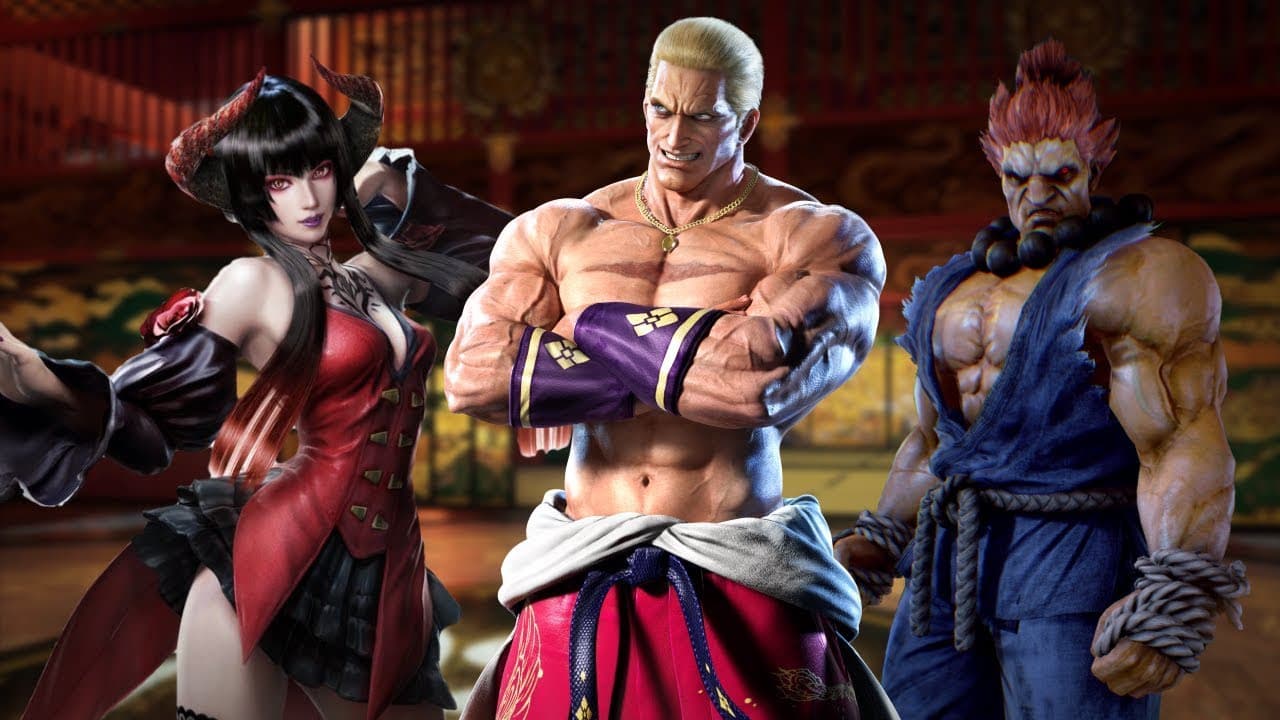
Tekken is a true 3D fighter, not a 2.5D one: unlike 2.5D games that keep 2D side-to-side gameplay on 3D models, Tekken adds real sidestepping and ground movement. It uses a laterality-based button scheme where each button maps to a limb, so stances stay consistent instead of mirroring. Tekken 7 is the only 3D fighter to break a thousand entrants twice in a year. Read on to learn why 3D play feels so different from 2D.
Transcript
In the 80s and 90s, going to the arcades was awesome because the graphics and sound were way better than any console or PC at the time. Often the first time you saw "cutting-edge video game history defining" visuals was when you went to the mall. During the fighting game Renaissance of the early 90s, the game that set itself apart visually was Virt... Read More
Key Insights
- 🎮 Virtua Fighter's 3D graphics were groundbreaking and influenced the development of the PlayStation, shaping the future of video game visuals.
- 🧑🚒 2D and 2.5D fighters have a larger presence in the fighting game community due to their established gameplay mechanics and tournament history.
- 🧑🚒 Tekken 7's success as a 3D fighter demonstrates the potential for competitive 3D gameplay in the genre.
- 👾 The transition from 2D to 3D graphics in fighting games brought about certain inconsistencies, such as character stances and asymmetrical features.
- 🦾 Tekken's gameplay mechanics, including laterality-based button schemes and stance checking, offer unique challenges and strategies for players.
- 👾 3D fighters simplify the air game complexity seen in 2D fighters, placing greater emphasis on ground movement and spacing.
- 😋 The boundaries and stage mechanics in 3D fighters, such as ring outs and wall splats, add a strategic layer to matchup balance.
Install to Summarize YouTube Videos and Get Transcripts
Explore YouTube Video Summarizer or Get YouTube Transcript Extractor
Questions & Answers
Q: Is Tekken 2D or 3D?
Tekken is a 3D fighter. Unlike 2.5D fighters that keep the same side-to-side 2D gameplay of older sprite-based titles but with 3D models and camera movement, Tekken uses genuine 3D gameplay including sidestepping and expressive ground movement. Its button scheme is laterality-based, with each button representing a limb, which is a hallmark of its 3D design.
Q: What is a 2.5D fighting game and how is it different from Tekken?
A 2.5D fighting game keeps the same side-to-side 2D gameplay found in older sprite-based titles but renders it with 3D models and camera movement. Tekken differs because it is fully 3D, letting you sidestep and dodge in three dimensions rather than moving only along a 2D plane.
Q: How did Virtua Fighter influence the PlayStation?
Virtua Fighter, released in 1993, was the first fighting game to show 3D polygons on full-sized characters with expressive animations and realistic physics. Its impressive 3D graphics influenced Sony's decision to make the PlayStation based on 3D hardware instead of 2D hardware, shaping how later games like Final Fantasy 7 looked.
Q: Why do 2D and 2.5D fighters have more tournament presence than 3D fighters?
In the fighting game community, 2D and 2.5D fighters have historically had far more tournament presence than their 3D counterparts. This is why Tekken 7 stands out as the only 3D fighter to break a thousand entrants twice in one year, with fierce international competition built over two decades of tournament play.
Q: Why do characters in 2D sprite-based fighters switch sides, and what problems does it cause?
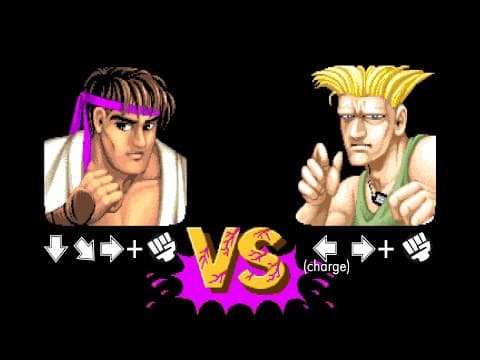
In 2D sprite-based fighters, characters on the two-player side are mirrored, likely to avoid redrawing hundreds of animations. This creates inconsistencies: asymmetrical features like Sagat's eyepatch teleport to the other eye, and stances flip so a boxer's orthodox or southpaw stance reverses when switching sides.
Q: How does Tekken's button scheme differ from 2D fighters?
Tekken cannot reuse the opposite limb for the same attack because its button scheme is laterality-based, with each button representing a specific limb. This lets characters keep a consistent orthodox stance, so the same right foot is used for a move like Asuka's turning kick regardless of side, enabling reliable sidestepping to dodge attacks.
Q: What is stance checking in Tekken and games like Virtua Fighter?
Stance checking is reading whether a situation is open or closed stance to know which way to dodge and which combos to use. Virtua Fighter and Dead or Alive have only one punch and one kick button, so any move works in either stance, meaning players only need to judge open versus closed rather than tracking left and right inputs.
Q: How does the air game differ between 2D and 3D fighters?
3D fighters like Tekken simplify the air game complexity of 2D fighters almost entirely. As the Virtua Fighter and Tekken series evolved, they toned down anti-gravity jumping and increased the role of ground movement, emphasizing spacing, dash cancelling, and whiff punishes instead of aerial play.
Summary & Key Takeaways
-
Virtua Fighter, released in 1993, was the first fighting game to use 3D graphics, setting a new standard for visual quality.
-
As 3D games became popular, many genres transitioned to 3D gameplay, but fighting games largely maintained a 2D or 2.5D style.
-
Tekken 7, a 3D fighter, has garnered significant tournament presence and international competition, breaking a thousand entrants multiple times.
Read in Other Languages (beta)
Share This Summary 📚
Summarize YouTube Videos and Get Video Transcripts with 1-Click
Try YouTube Summary with ChatGPT & Claude or YouTube Transcript Generator
Explore More Summaries from Core-A Gaming 📚

Summarize YouTube Videos and Get Video Transcripts with 1-Click
Try YouTube Summary with ChatGPT & Claude or YouTube Transcript Generator