How Algorithms Shape Capital Markets and Power
TL;DR
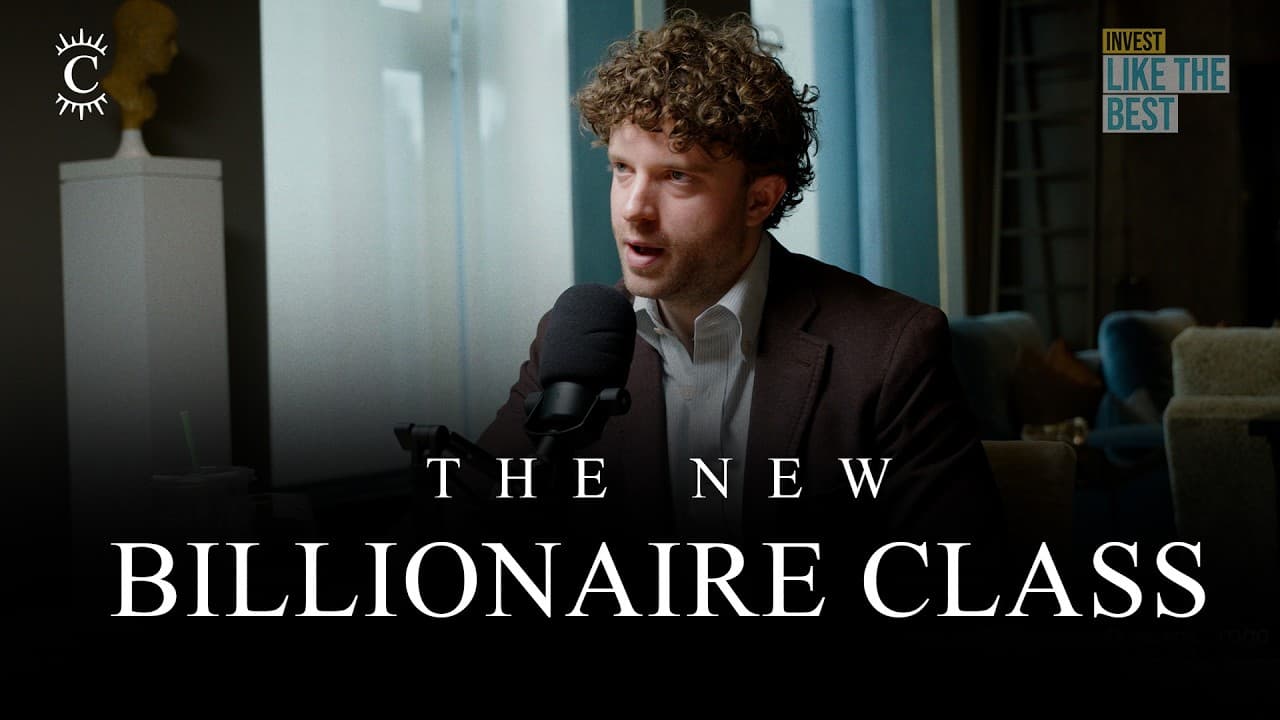
Capital increasingly follows narratives that algorithms distribute across a shared social feed. In uncertain markets, founders should preserve optionality by raising less, choosing flexible investors, and avoiding capital structures that force one strategy, while investors must recognize that persuasive storytelling can attract billions of dollars long before realized returns prove whether the underlying thesis was correct.
Transcript
you can, you know, form billions of dollars of capital around simply setting a new idea. Every once in a while, someone basically crystallizes a notion right at the right time in the right way that sort of becomes the foundational viewpoint or opinion on a certain era. Everyone is a little panicked. They don't know what's going on. And someone just... Read More
Key Insights
- Storytelling is the great filter for long-term private-market funds because realized cash returns can take a decade to appear. During that interval, managers effectively sell a narrative through quarterly communications, events, and direct conversations with their limited partners.
- A company’s age can distort investor judgment even when its performance has recently accelerated. A seven-year-old business reaching $8 million in revenue after growing 200% may appear unattractive, while the same trajectory presented with a newer narrative could receive substantially greater investor interest.
- Difficult financing choices often emerge when a business begins working but cannot secure a significant up round. The alternatives may include an insider bridge, a strategic acquisition, or cutting toward profitability, each of which can be heavily influenced by the existing capitalization table.
- Hostile bridge financing can impose 3x liquidation preferences, warrants, ratchets, or other restrictive terms. Founders with available cash may gain flexibility by repurchasing investor positions, converting stakeholders to common shares, and spending more time actively managing the capitalization table.
- Optionality is especially valuable during periods of technological volatility because companies may need to change their business model quickly. Potential responses include shifting toward services, acquiring other businesses, operating profitably, moving from per-seat to usage pricing, or ending relationships with unsuitable customers.
- Raising less money can preserve a founder’s freedom to respond to uncertainty. Investors with wider mandates may also reduce constraints, while repeated fundraising dependence can harm employees, weaken recruiting, leave options underwater, and encourage departures that further reduce strategic flexibility.
- A billion-dollar PDF is a well-timed narrative that gives uncertain people a confident explanation of what is happening. The thesis does not necessarily need to be correct immediately, because its initial power comes from coordinating attention and giving capital a common idea to follow.
- The algorithmic uni-feed makes the timeline consequential because large audiences receive overlapping sets of posts, including many people who rarely publish themselves. Shared exposure lets online essays and posts influence important participants in capital markets, politics, journalism, entrepreneurship, and technology.
Install to Summarize YouTube Videos and Get Transcripts
Explore YouTube Video Summarizer or Get YouTube Transcript Extractor
Questions & Answers
Q: What is a billion-dollar PDF in investing?
A billion-dollar PDF is a persuasive thesis that crystallizes an important idea at a moment when investors are uncertain and looking for an explanation. Its author confidently defines what is happening and offers a narrative others can follow. The thesis can organize attention and capital even before anyone knows whether it is correct, allowing billions of dollars to form around a newly established viewpoint.
Q: Why is storytelling important for private-market funds?
Storytelling matters because the core product of a private-market fund, realized cash returns, can take a decade to arrive. Before those results exist, the fund communicates its value through a narrative presented in quarterly updates, events, and conversations with limited partners. A manager’s ability to explain investments and market change therefore becomes a major filter for maintaining confidence during the long period before returns are realized.
Q: How can a company’s age affect its ability to raise capital?
A company may struggle to raise money when investors focus on how long it took to reach its current scale. The transcript gives the example of a seven-year-old company with $8 million in revenue that grew 200% in the prior year. Despite that acceleration, investors may emphasize its age and absolute revenue, even though a younger company with a similar recent trajectory could be treated as highly attractive.
Q: What should founders do when an up round is unavailable?
Founders facing an unavailable up round may need to choose among a bridge financing, a strategic acquisition, or cutting expenses until the company becomes profitable. They should also examine the capitalization table creatively. If cash permits, possible actions include buying back investors or converting stakeholders to common shares, particularly when the alternative is an insider bridge containing severe preferences, warrants, or ratchets.
Q: Why should founders preserve optionality during volatile markets?
Optionality allows a company to change direction when technological and market conditions are difficult to predict. A founder may need to turn a software company into a services business, acquire another company, operate profitably, replace per-seat pricing with usage pricing, change the broader business model, or stop serving certain customers. A restrictive capitalization table can prevent these responses even when they are right for the underlying business.
Q: How can fundraising reduce a startup’s strategic flexibility?
Repeated fundraising can make a company dependent on continued access to new capital and lock it into a narrow growth strategy. If additional financing does not arrive, employee options may become underwater, recruiting may become harder, and existing workers may leave. Raising less money and selecting investors with broader mandates can reduce these constraints and help founders respond more quickly when circumstances change.
Q: How do algorithms influence capital markets through social media?
Algorithms create a shared feed where large numbers of people repeatedly encounter many of the same posts, essays, and narratives. Investors, entrepreneurs, politicians, journalists, and technology leaders can therefore begin their day with overlapping information. These common inputs shape opinions, affect how securities are priced, guide where capital flows, and may influence policy, turning the timeline into a meaningful layer of market infrastructure.
Q: What does it mean for an institution to be timeline-native?
A timeline-native institution is both reactive and reflexive in relation to the shared social feed. It continuously monitors the timeline so it can understand changing narratives, while its decisions and public actions also alter what people discuss there. This creates a feedback loop between online attention and institutional behavior, making the ability to read and influence the timeline relevant to survival in capital markets and politics.
Summary & Key Takeaways
-
Private-market funds often wait a decade for realized cash returns, so narrative becomes their interim product. Managers communicate that narrative through quarterly updates, events, and conversations with limited partners. A well-timed thesis can crystallize uncertainty into a compelling story, guide collective attention, and help organize billions of dollars around a new investment idea.
-
Founders operating during volatile technological change should preserve strategic flexibility. Raising less capital, selecting investors with wider mandates, and avoiding burdensome financing terms can leave a company free to change pricing, become a services business, acquire companies, cut costs, dismiss unsuitable customers, or operate profitably while conditions and business models continue to evolve.
-
The shared algorithmic feed functions as market infrastructure because investors, entrepreneurs, politicians, and journalists repeatedly encounter the same ideas. Institutions become timeline-native by monitoring this stream and acting in ways that influence it. That feedback loop allows online narratives to shape opinion, security prices, policy decisions, and the direction of capital flows.
Read in Other Languages (beta)
Share This Summary 📚
Summarize YouTube Videos and Get Video Transcripts with 1-Click
Try YouTube Summary with ChatGPT & Claude or YouTube Transcript Generator
Explore More Summaries from Invest Like The Best 📚

Summarize YouTube Videos and Get Video Transcripts with 1-Click
Try YouTube Summary with ChatGPT & Claude or YouTube Transcript Generator