Michael Moritz on Outsiders, Founders, and AI
TL;DR
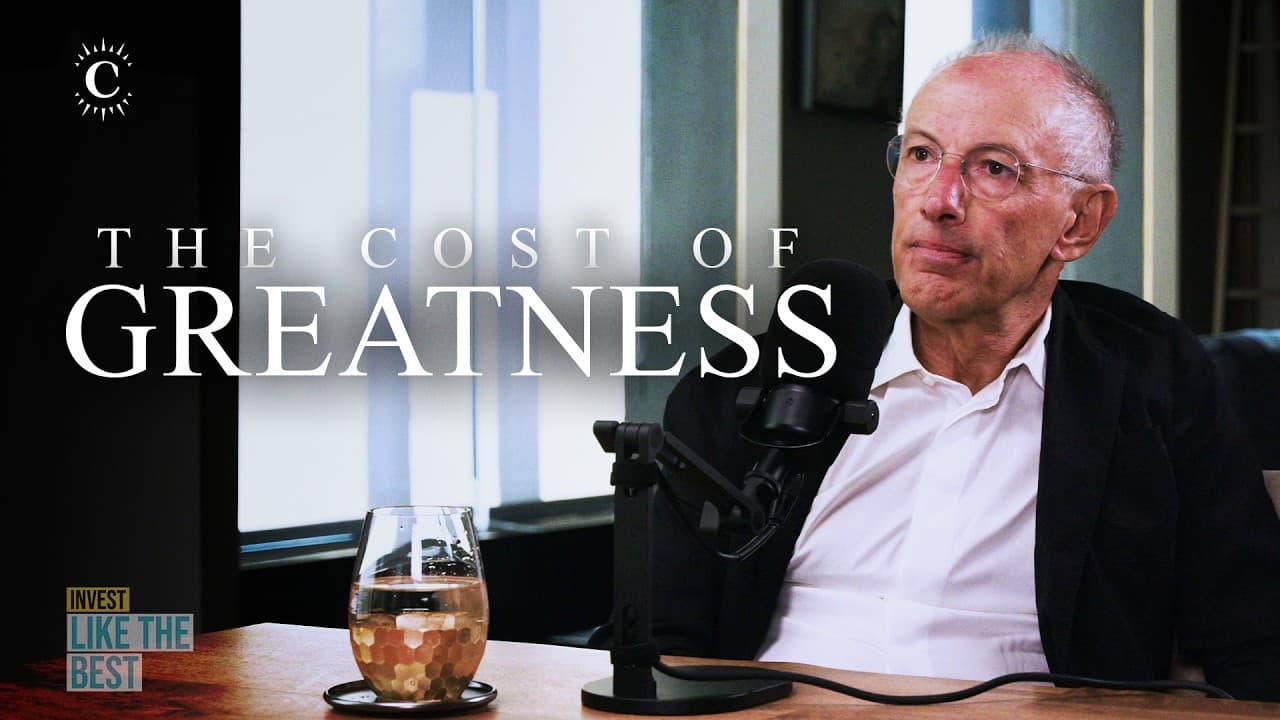
Early family environments leave lasting imprints that shape adult instincts, motivations, and responses to risk. Michael Moritz connects his outsider mentality and vigilance to growing up among Jewish refugees from Nazi Germany, then applies that perspective to studying founders, extraordinary leaders, obsession, self-doubt, venture investing, and the emerging age of AI.
Transcript
The episode with Jobs and Time was so fascinating in your history and I'm sure frustrating for you. >> You know, sadly as a result of that really never repaired the relationship with Steve. >> Were you in awe of him? >> No. >> Have you ever been in awe of anyone? >> You know, the people that I've known who have done incredible, remarkable things ar... Read More
Key Insights
- A person’s childhood environment is a lasting source of adult behavior. Moritz believes the conscious and unconscious impressions absorbed before roughly age 12, 13, or 14 remain present as both constructive and destructive forces throughout life.
- An outsider mentality can arise from inherited experience rather than visible identity. Moritz connects his own sense of being different to growing up in Wales among Jewish refugees from Nazi Germany, even though observers today may perceive him simply as an older white man.
- Intergenerational influence is often transmitted through behavior rather than explicit stories. Moritz’s parents disclosed little about their past, but their reactions to events, expectation that disaster might be near, and constant vigilance communicated the psychological consequences of displacement.
- A survival mindset can create both grit and suspicion. Moritz says his family atmosphere encouraged determination, living by one’s wits, questioning other people’s motives, anticipating adverse events, and guarding against risks even when his own circumstances were far safer than his parents’ experiences.
- Dependence on established institutions can make departure harder during a crisis. Moritz’s paternal grandfather was a cautious civil servant who trusted the durability of the German state and valued his pension, contributing to reluctance to leave until escape was no longer possible.
- Entrepreneurial self-reliance can increase adaptability when conditions deteriorate. Moritz describes his maternal grandfather, a nearly blind cattle trader, as streetwise and accustomed to sustaining himself, qualities that helped him leave Germany with his wife shortly before war began.
- Extraordinary accomplishment does not eliminate human flaws. Moritz says close contact with remarkable people makes unquestioning awe difficult because their shortcomings become visible alongside their achievements, virtues, intense focus, and professional success.
- Personal history can inform how investors evaluate exceptional founders. The conversation links Moritz’s examination of his own formative years with his longstanding interest in founders’ childhoods, backgrounds, motivations, obsession, self-doubt, leadership qualities, and capacity to achieve unusual results.
- More videos with Steve Jobs:
Install to Summarize YouTube Videos and Get Transcripts
Explore YouTube Video Summarizer or Get YouTube Transcript Extractor
Questions & Answers
Q: How did Michael Moritz’s family history shape him?
Michael Moritz connects his identity, drive, and vigilance to growing up in Wales within a family of Jewish refugees from Nazi Germany. His parents had escaped Germany during the 1930s, and their experiences created a household atmosphere focused on survival, caution, and the possibility of danger. He believes this environment gave him grit while also encouraging suspicion about motives and adverse events.
Q: How are childhood experiences carried into adult life?
Childhood experiences can persist through the conscious and unconscious impressions left by parents and the surrounding environment. Moritz believes the patterns absorbed before roughly age 12, 13, or 14 remain influential throughout life. They can become both strengths and burdens, shaping how adults react to uncertainty, understand risk, pursue goals, and interpret the behavior of other people.
Q: Why did Moritz identify as an outsider?
Moritz’s outsider identity developed from being raised in Wales by Jewish refugees from Nazi Germany. Refugees were already a minority, and Jewish refugees in Wales during the 1960s and 1970s formed a smaller minority still. He emphasizes that outsider status depends partly on how a person feels, not only on how others categorize that person by visible characteristics in the present.
Q: How did Moritz’s parents transmit their refugee experience?
Moritz says the experience was transmitted mainly through daily behavior rather than detailed family stories. His parents rarely explained their past, so he learned more only while researching his book. What reached him during childhood was their reaction to events, their sense that disaster might never be far away, and their belief that vigilance was necessary because terrible events had happened before.
Q: What does the story of Moritz’s two grandfathers show?
The story shows how different temperaments, occupations, and dependencies can shape decisions during danger. His paternal grandfather trusted the German state, valued his pension, and delayed leaving until it was too late. His maternal grandfather was a streetwise, entrepreneurial cattle trader accustomed to supporting himself. He escaped with his wife only 72 hours before war began.
Q: Why can institutional security become dangerous during a crisis?
Institutional security can discourage timely action when a person expects established systems to endure. Moritz’s paternal grandfather was a civil servant, a lower-level judge, and a veteran who believed in the German state. His pension also mattered for survival. Those attachments, combined with real barriers to emigration, contributed to hesitation even as the conditions surrounding him became increasingly dangerous.
Q: Why did Moritz study founders’ childhoods and backgrounds?
Moritz studied founders’ childhoods and backgrounds because early experiences can help explain adult motivations, reactions, and patterns of behavior. His own family research showed him how strongly parents and formative environments leave an imprint. The conversation connects that insight to the questions he used when assessing exceptional people, including their self-doubt, outsider instincts, obsession, resilience, and capacity for sustained achievement.
Q: What did Moritz learn from being around extraordinary leaders?
Moritz learned that extraordinary leaders remain flawed individuals despite their remarkable accomplishments. Seeing people closely reveals weaknesses alongside virtues, making it difficult for him to hold anyone in complete awe. The conversation also presents intense obsession as a characteristic that can support exceptional performance while carrying costs, a theme considered through his experiences around founders and leaders such as Steve Jobs.
Summary & Key Takeaways
-
Michael Moritz traces his outsider mentality to growing up in Wales within a family of Jewish refugees from Nazi Germany. Although his parents rarely discussed their experiences in detail, their daily behavior communicated vigilance, suspicion, resilience, and an awareness that security could disappear. Those inherited patterns helped shape his identity and drive.
-
The contrasting choices of Moritz’s grandfathers illustrate how temperament and circumstances affect responses to danger. His paternal grandfather trusted the German state and remained too long, while his entrepreneurial maternal grandfather escaped shortly before war began. Moritz inherited the lesson that people should recognize worsening conditions and preserve somewhere safe to go.
-
Moritz connects personal history with his professional interest in exceptional people. He studied founders’ childhoods and backgrounds to understand their motivations, while recognizing that remarkable accomplishment often coexists with flaws, self-doubt, obsession, and personal costs. The conversation extends these themes to Steve Jobs, Sequoia, leadership, Elon Musk, and artificial intelligence.
Read in Other Languages (beta)
Share This Summary 📚
Summarize YouTube Videos and Get Video Transcripts with 1-Click
Try YouTube Summary with ChatGPT & Claude or YouTube Transcript Generator
Explore More Summaries from Invest Like The Best 📚



Summarize YouTube Videos and Get Video Transcripts with 1-Click
Try YouTube Summary with ChatGPT & Claude or YouTube Transcript Generator