How to Counter Performance Review Biases as a Manager
TL;DR
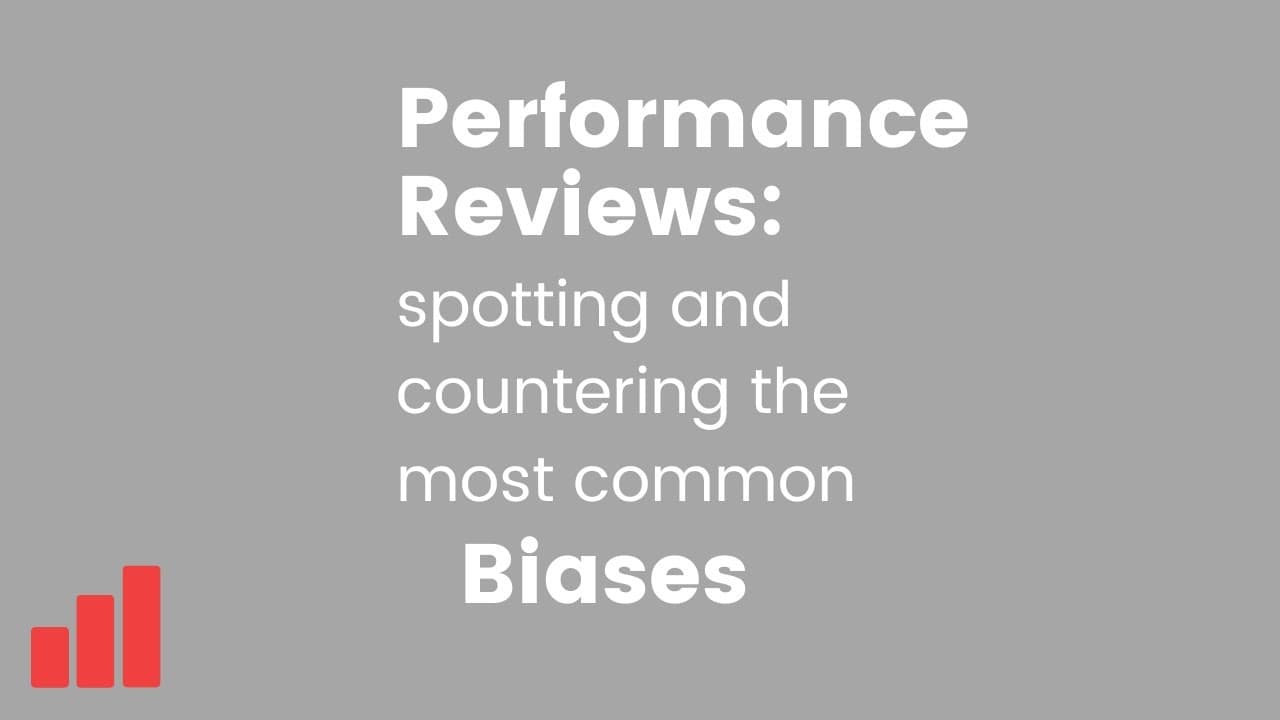
Biases in performance reviews can skew ratings away from accuracy. Start by pushing for specific examples and keep a log of your work so you can counter recency bias. If feedback is vague, request concrete situations and track ongoing behavior to calibrate fairness across the review period.
Transcript
hey everyone this is gargay and today we're going to talk about performance review biases and how you can counter them i'm an engineering manager who's done a lot of performance reviews and i've learned a bunch about biases trying to catch myself to not do this so i'll be sharing what i know about you today we'll talk about three things in this vid... Read More
Key Insights
- Biases are cognitive inclinations that can skew a manager’s evaluation of an employee, including unwarranted preferences or disfavor toward a person or behavior.
- Feedback quality matters; specific feedback tied to a concrete situation is far more actionable than generic statements like quotes or vague observations.
- Recency bias causes disproportionate weight to recent events, so the most recent months or weeks can distort the overall performance picture.
- The strictness bias occurs when a manager applies higher standards to one person than to others, which can misrepresent overall performance.
- The leniency bias is the opposite effect, where managers rate beyond actual performance, potentially slowing growth and accurate calibration.
- Horns bias involves letting one negative trait or incident drag down the overall assessment, unfairly coloring multiple areas of performance.
- Halo bias happens when a single positive trait or achievement unfairly elevates ratings across unrelated areas.
- Similarity bias arises when a manager favors employees who are similar to them in background or style, skewing objective evaluation.
- Central tendency bias pushes ratings toward the middle, avoiding extreme judgments even when performance varies widely.
Install to Summarize YouTube Videos and Get Transcripts
Explore YouTube Video Summarizer or Get YouTube Transcript Extractor
Questions & Answers
Q: A real search query question about the video (e.g. 'How to...', 'What is...', 'Why does...', 'When should...'). Question 1
How can I ensure performance reviews are fair when feedback tends to be generic and could hide biases? The answer is to push for concrete examples, request specific situations where behavior was observed, and keep a running log of activities, outcomes, and impacts. During reviews, reference your self-review and ask if those past items were considered. If not, point this out and request a broader view that covers the entire review period, not just the most recent events.
Q: Question 2
What is recency bias and how does it affect performance evaluations? Recency bias makes managers overemphasize recent events, which can paint an inaccurate picture of overall performance. To counter this, prepare a comprehensive record of achievements and setbacks across the entire review window, not just the latest tasks. Ask the manager to weigh earlier contributions and provide examples from a broader timeframe.
Q: Question 3
How can I address strictness bias in a performance review? Strictness bias happens when one person is judged by higher standards than others. When this occurs, ask for specific examples and push for equal criteria across the team. If needed, propose shared goals, frequent check-ins, and a clear rubric that applies consistently to you and peers, ensuring feedback reflects consistent expectations.
Q: Question 4
What should I do if I suspect leniency bias? Leniency bias means ratings may be higher than actual performance. You can counter this by presenting evidence of gaps, requesting additional examples, and proposing measurable milestones. Seek calibration against objective criteria and ask to include progress toward those milestones in the review.
Q: Question 5
What is horns bias and how do you counter it? Horns bias occurs when one negative issue colors the entire review. To counter it, ask for area-specific assessments that separate the single issue from other work. Request a plan for improvement in that area while keeping neutral ratings for unrelated skills and achievements.
Q: Question 6
How does halo bias affect a review and what can you do about it? Halo bias can raise ratings in unrelated areas due to a single positive trait. Counter by requesting separate ratings for different competencies and citing objective data for each. Keep a balanced discussion focused on concrete outcomes in each domain.
Q: Question 7
What is similarity bias and how can you reduce its impact? Similarity bias favors those who resemble the reviewer. To reduce its impact, ask for diverse perspectives in calibration conversations, request that the evaluation references objective criteria, and document your work in clear, verifiable terms that stand independent of the reviewer’s personal affinities.
Q: Question 8
What practical steps can I take to get better quality feedback during one-on-ones? Practical steps include asking for examples, requesting immediate feedback when you observe a behavior, and maintaining a running log. Regularly review progress with your manager, set concrete goals together, and track outcomes to ensure feedback is specific, fair, and actionable over time.
Summary & Key Takeaways
-
A performance review may suffer from bias if it relies on events from the most recent period rather than the full review window, so keep a comprehensive log of behaviors and outcomes over the period under review.
-
Feedback quality matters: specific examples drive actionable improvement while generic comments are harder to act on and can conceal biases.
-
Proactive steps include requesting concrete examples, providing your own self-review, and scheduling frequent check-ins to align expectations and reduce bias throughout the evaluation cycle.
Read in Other Languages (beta)
Share This Summary 📚
Summarize YouTube Videos and Get Video Transcripts with 1-Click
Try YouTube Summary with ChatGPT & Claude or YouTube Transcript Generator
Explore More Summaries from The Pragmatic Engineer 📚



Summarize YouTube Videos and Get Video Transcripts with 1-Click
Try YouTube Summary with ChatGPT & Claude or YouTube Transcript Generator