How to Set Up iGPU Transcoding in Jellyfin on Proxmox?
TL;DR
To set up iGPU transcoding for Jellyfin on Proxmox, install Jellyfin using a helper script and configure GPU pass-through for hardware acceleration. Additionally, mount network shares or create a ZFS pool for efficient media access. Properly enabling video drivers and adjusting permissions is crucial for optimal performance.
Transcript
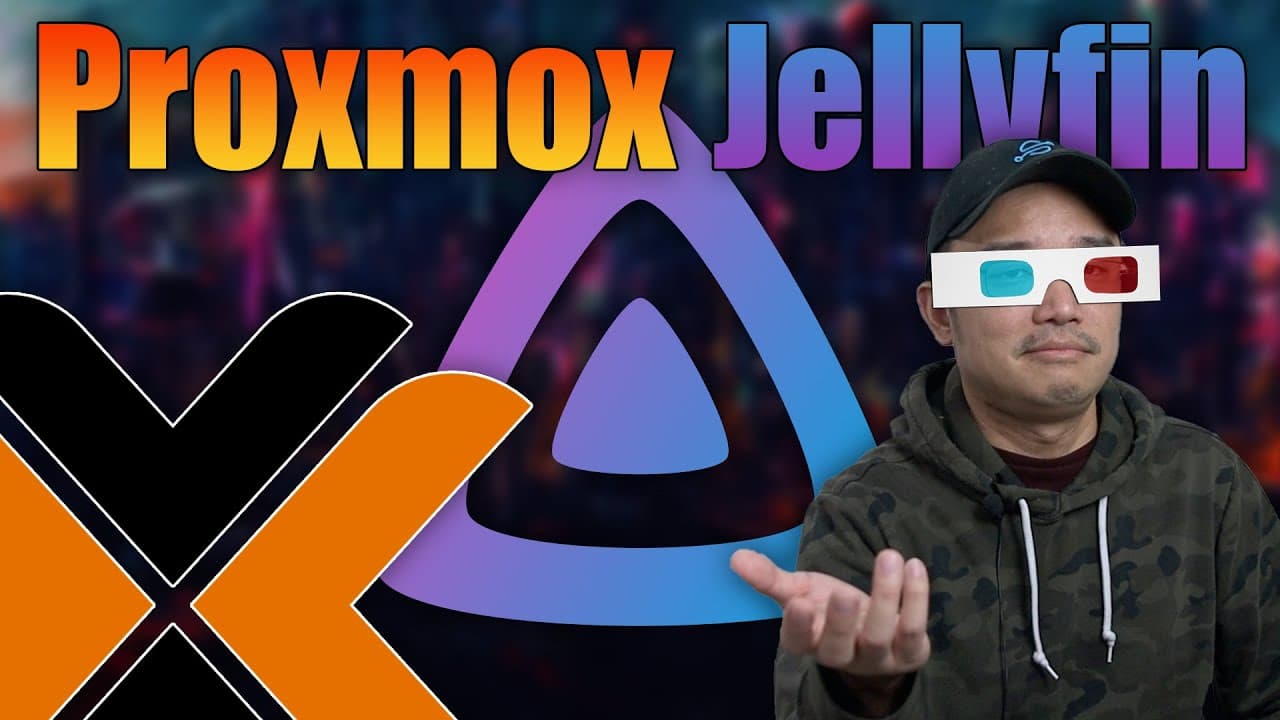
hey guys what's going on it's Don here from novas Spirit Tech and welcome back to the channel and today we are going to be installing jelly fin on our proxmox series with Hardware transcoding so let's get started all right so just to recap if you've been following the series along we the first thing we did was install proxmox uh set up a Nas server... Read More
Key Insights
- 🛟 The integration of Jellyfin into Proxmox offers a flexible media server solution that can be tailored to resource-constrained environments.
- 🚵 Mounting network shares is essential for Jellyfin functionality, requiring setup outside the application for successful media access.
- 📁 The use of ZFS pools streamlines media organization and minimizes CPU load by allowing direct access to files.
- ✊ Hardware transcoding dramatically enhances video playback experiences, particularly on devices with less processing power.
- 🧭 Installing necessary drivers and configuring GPU pass-through are critical steps for enabling hardware acceleration in video streaming.
- 👤 Understanding the underlying hardware characteristics can help users optimize their Jellyfin installation for performance and efficiency.
- 🥺 Careful planning of storage solutions within Proxmox can lead to improved resource usage and reduced overhead.
Install to Summarize YouTube Videos and Get Transcripts
Explore YouTube Video Summarizer or Get YouTube Transcript Extractor
Questions & Answers
Q: What are the prerequisites for installing Jellyfin on Proxmox?
To install Jellyfin on Proxmox, you need to have Proxmox installed and running on your server, access to a NAS or network storage for media files, and a system capable of hardware transcoding. Additionally, familiarity with shell commands is helpful for managing installations and configurations.
Q: How does hardware transcoding improve Jellyfin performance?
Hardware transcoding offloads video processing tasks from the CPU to the GPU, significantly enhancing performance. This is crucial for handling high-resolution videos, such as H.265, especially on systems with limited CPU power. By utilizing the GPU, the setup minimizes CPU load, enabling smoother playback and better overall resource management.
Q: Why is it necessary to mount network shares for Jellyfin?
Jellyfin does not have native support for network shares, hence mounting is essential for accessing media stored on different devices or servers. Without properly mounting these shares, Jellyfin cannot recognize or stream the media files, limiting its functionality and user experience.
Q: What are the two methods of mounting shares mentioned in the video?
The video discusses two methods of mounting shares: using Samba protocol for network sharing and creating a ZFS pool for direct access to media. The latter is recommended for better efficiency as it reduces unnecessary CPU resource usage associated with Samba processing.
Q: What configurations are necessary for enabling GPU pass-through in Proxmox?
To enable GPU pass-through, you need to load the appropriate graphic drivers, modify the LXC config file to include GPU settings, and add the required user groups for Jellyfin. This process allows Jellyfin to utilize the GPU for hardware-accelerated transcoding.
Q: How can users test if hardware transcoding is functioning?
Users can test hardware transcoding by playing a video file in Jellyfin and observing the system's performance metrics. If the GPU shows high usage while the CPU usage is low during playback, hardware transcoding is successfully implemented.
Q: What impact do hardware limitations have on the setup demonstrated in the video?
The video highlights a setup with limited hardware resources, like an older CPU model and low RAM, which significantly impacts processing power for video transcoding. Users must consider these limitations when configuring Jellyfin, as they can lead to performance issues, such as lag during playback.
Q: What resources are available for troubleshooting installation issues?
For troubleshooting, users can refer to Jellyfin's official documentation and community Wiki, where many common problems have been addressed. The community support can prove invaluable for resolving issues related to installation, configuration, or specific error messages encountered during setup.
Summary & Key Takeaways
-
The video covers the installation of Jellyfin on Proxmox, emphasizing the setup and configuration required for optimal performance, including hardware transcoding.
-
Viewers will learn about mounting network shares and two methods for doing this, ultimately showing how to set up a ZFS pool for better resource management.
-
The installation process is complemented with background details on the hardware being used, explaining how resource limitations impact the setup and performance.
Read in Other Languages (beta)
Share This Summary 📚
Summarize YouTube Videos and Get Video Transcripts with 1-Click
Try YouTube Summary with ChatGPT & Claude or YouTube Transcript Generator
Explore More Summaries from Novaspirit Tech 📚


Summarize YouTube Videos and Get Video Transcripts with 1-Click
Try YouTube Summary with ChatGPT & Claude or YouTube Transcript Generator