How to regulate AI and save jobs
TL;DR
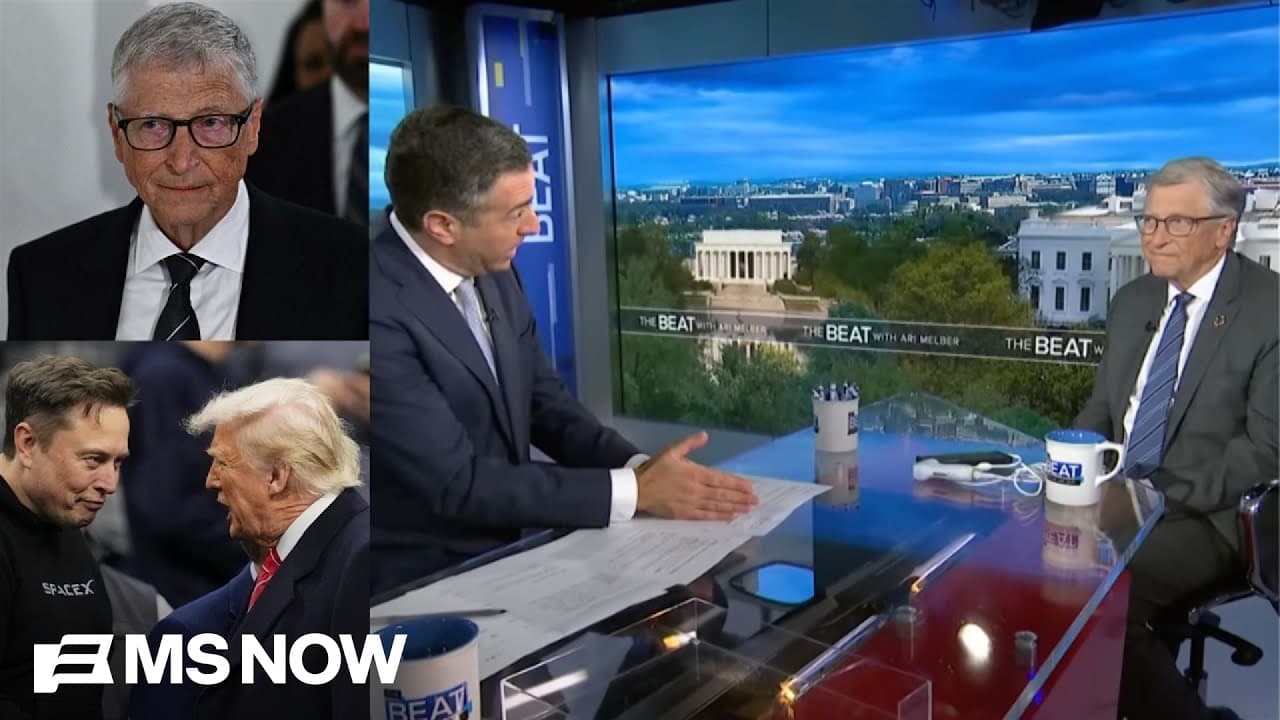
Bill Gates argues for urgent AI regulation, taxation, and worker protections to curb risk and protect livelihoods. The guidance emphasizes federal oversight, energy-based AI taxes, and income safeguards for vulnerable jobs, while acknowledging past regulatory shortcomings and the need for international cooperation to curb the race for funds and speed.
Transcript
the people this public revolt against ai is mounting it's now shaping midterm races, voters in both parties pushing back against data setters and this AI onslaught. Now tech titans insist the tech will improve lives and that this future is basically inevitable so people should just get with the program that's a pretty common view from them ... Read More
Key Insights
- Gates argues AI risks are real and require formal safeguards beyond voluntary measures.
- The key to responsible AI is regulatory oversight and accountability for developers and firms.
- A dedicated AI regulatory body could mirror established departments for other dangerous technologies.
- Taxing AI energy use is proposed as a mechanism to fund safety and public goods.
- Protecting certain human jobs under law can shield workers from displacement while still enabling innovation.
- International monitoring is necessary due to AI development happening across multiple countries.
- Self-regulation by tech companies is criticized as the most dangerous tool.
- Public policy should balance innovation with societal protection, not hinder progress.
- More videos from this channel:
- More from this channel: MS NOW
Install to Summarize YouTube Videos and Get Transcripts
Explore YouTube Video Summarizer or Get YouTube Transcript Extractor
Questions & Answers
Q: How can AI be regulated to protect jobs, according to the discussion?
The answer describes creating a dedicated AI regulatory framework, similar to other agencies, to oversee development and deployment. It emphasizes standardizing safety protocols, enforcing accountability on developers, and protecting specific jobs through labor laws while enabling innovation. This approach aims to reduce risks without stifling progress.
Q: What role do taxes play in Gates' AI vision?
Taxes are proposed as a tool to fund safety, oversight, and social programs related to AI. In particular, taxing the AI energy system is suggested to offset costs of regulation and public goods. The aim is to align economic incentives with long-term societal well-being rather than short-term gains.
Q: Why is international monitoring considered necessary for AI?
International monitoring is deemed essential because AI development spans multiple countries and markets. Coordinated rules can prevent regulatory arbitrage, share best practices, and ensure consistent safety standards. This global perspective helps manage cross-border risks, including potential misuse and unintended consequences that single nations cannot address alone.
Q: How does Gates view self-regulation by tech companies?
Self-regulation is described as the most dangerous tool because it creates conflicts of interest and incentives to downplay risks. The argument is that voluntary measures are insufficient when billions of dollars and powerful actors are involved, and that formal rules are needed to ensure accountability and protect public interests.
Q: What concerns about AI and education are raised in the transcript?
The discussion notes AI can enhance learning but may also reduce critical thinking if over-relied upon. It highlights potential benefits like personalized tutoring and reducing workload, while cautioning that without good governance, AI could undermine deep understanding and independent problem-solving, affecting long-term educational outcomes.
Q: What is Gates' stance on the potential impact of AI on jobs?
Gates acknowledges AI will change jobs and increase productivity, but he warns of disruption if not managed properly. He advocates protecting essential occupations under law while promoting innovation, aiming to strike a balance where technology enhances work without erasing meaningful employment or widening inequality.
Q: What historical context does the transcript use to frame AI regulation?
The narrative contrasts past regulatory approaches with current AI challenges, noting that deregulated tech sectors have faced consequences. It argues for learning from earlier missteps in social media and other tech domains, pushing for proactive safeguards rather than waiting for crises to force policy changes.
Q: What future does the transcript suggest for AI governance?
The text points toward establishing a structured governance framework that combines regulation, taxation, and international cooperation. It envisions a future where AI advances responsibly, with safeguards for workers, accountability for leaders, and clear legal boundaries that enable beneficial innovation while minimizing harm to society.
Summary & Key Takeaways
-
Gates warns that AI’s rapid growth needs serious oversight and targeted protections for workers to prevent negative societal impacts. The piece frames regulation as a pathway to balance innovation with accountability, avoiding unchecked capitalist risk. It also highlights appetite for tax and cross-border monitoring as tools.
-
The discussion contrasts public assurances from tech leaders with private warnings about systemic risks. It stresses that deregulation and incentive structures may misalign incentives, urging government action and responsible leadership to ensure AI benefits are broadly shared without sacrificing safety.
-
The content connects Gates personal history of innovation with cautionary messaging, advocating structured governance and practical steps like a dedicated AI department and labor protections to manage disruption while maintaining momentum in tech progress.
Read in Other Languages (beta)
Share This Summary 📚
Summarize YouTube Videos and Get Video Transcripts with 1-Click
Try YouTube Summary with ChatGPT & Claude or YouTube Transcript Generator
Explore More Summaries from MS NOW 📚


Summarize YouTube Videos and Get Video Transcripts with 1-Click
Try YouTube Summary with ChatGPT & Claude or YouTube Transcript Generator