What Is the Difference Between Clean Pain and Dirty Pain?
TL;DR
Clean pain comes from natural emotions and experiences, such as grief or joy, while dirty pain is self-inflicted through negative thinking and choices. Most of our suffering is created by how we think, blame others, or hold onto grudges. Recognizing this distinction allows us to take responsibility, leading to healing and peace.
Transcript
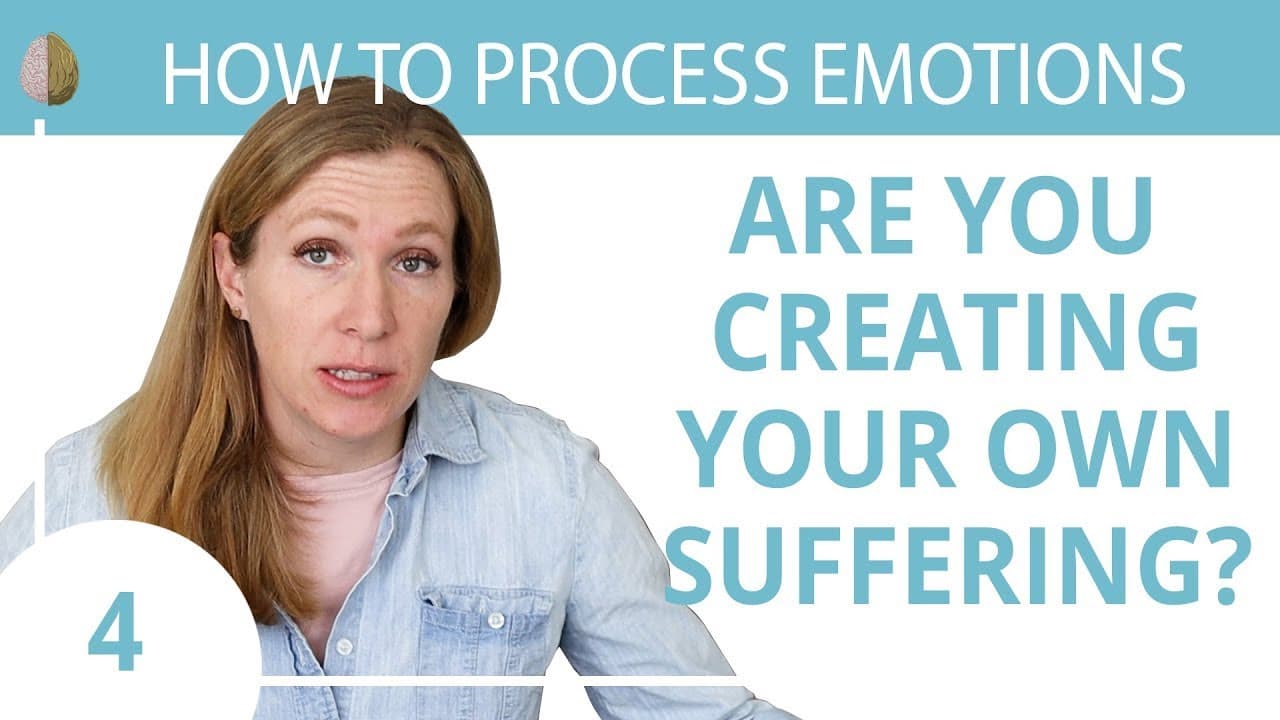
Do you know someone who always gets offended, whose life seems to be always full of drama and victimhood, maybe small issues get blown out of proportion or their life is just always in chaos? How about you personally? Are you ever that person, are you creating your own suffering? Sometimes I like to oversimplify, I do this because when ... Read More
Key Insights
- 💭 Most of the pain we experience is self-created through our thoughts, choices, and actions.
- 👨🎨 Clean pain includes natural emotions that come from being alive, while dirty pain is the suffering we cause ourselves.
- ❓ Blaming others or ourselves and resisting our responsibility contribute to our own suffering.
- 🧑⚕️ Taking responsibility empowers us to make changes and heal our pain.
- ✌️ By identifying our self-created suffering, we can take action to resolve the problem and find peace.
- 👨🎨 Clean pain comes from compassion and connection to others, while dirty pain stems from distorted thinking and negative patterns.
- 💌 Reflecting on what we are responsible for and letting go of what we cannot control helps us focus our energy effectively.
Install to Summarize YouTube Videos and Get Transcripts
Explore YouTube Video Summarizer or Get YouTube Transcript Extractor
Questions & Answers
Q: What are the two categories of pain mentioned in the content?
The two categories of pain are clean pain and dirty pain. Clean pain arises from natural emotions and experiences, while dirty pain is self-inflicted and caused by our thoughts and actions.
Q: How did Rose experience both clean pain and dirty pain?
Rose initially experienced dirty pain when she spent two weeks assuming a conversation with her friend was about something she did wrong. However, when her friend revealed that she was getting a divorce, Rose felt clean pain in the form of sympathy and compassion towards her friend.
Q: Why is taking responsibility for our own suffering important?
Taking responsibility allows us to identify the areas where we are causing our own pain and empowers us to make changes. It helps us move from a victim mindset to a mindset of accountability, leading to healing and growth.
Q: How can we differentiate between clean pain and dirty pain?
Clean pain comes from natural emotions and experiences, while dirty pain is a result of our thoughts and actions. By reflecting on our responsibility in a situation and recognizing if our pain is self-inflicted, we can distinguish between the two.
Key Insights:
- Most of the pain we experience is self-created through our thoughts, choices, and actions.
- Clean pain includes natural emotions that come from being alive, while dirty pain is the suffering we cause ourselves.
- Blaming others or ourselves and resisting our responsibility contribute to our own suffering.
- Taking responsibility empowers us to make changes and heal our pain.
- By identifying our self-created suffering, we can take action to resolve the problem and find peace.
- Clean pain comes from compassion and connection to others, while dirty pain stems from distorted thinking and negative patterns.
- Reflecting on what we are responsible for and letting go of what we cannot control helps us focus our energy effectively.
- Recognizing that we are not completely helpless or at fault allows us to take action and make positive changes in our lives.
Summary & Key Takeaways
-
Pain can be categorized into clean pain, which stems from natural emotions and experiences, and dirty pain, which is caused by our thoughts and actions.
-
Clean pain includes emotions like joy, gratitude, sadness, and grief, while dirty pain arises from distorted thinking patterns and choices.
-
We often create our own suffering by blaming others, taking offense, holding grudges, and engaging in negative thinking.
Read in Other Languages (beta)
Share This Summary 📚
Summarize YouTube Videos and Get Video Transcripts with 1-Click
Try YouTube Summary with ChatGPT & Claude or YouTube Transcript Generator
Explore More Summaries from Therapy in a Nutshell 📚


Summarize YouTube Videos and Get Video Transcripts with 1-Click
Try YouTube Summary with ChatGPT & Claude or YouTube Transcript Generator