Will Tariffs Reshape the Global Economy and Markets?
TL;DR
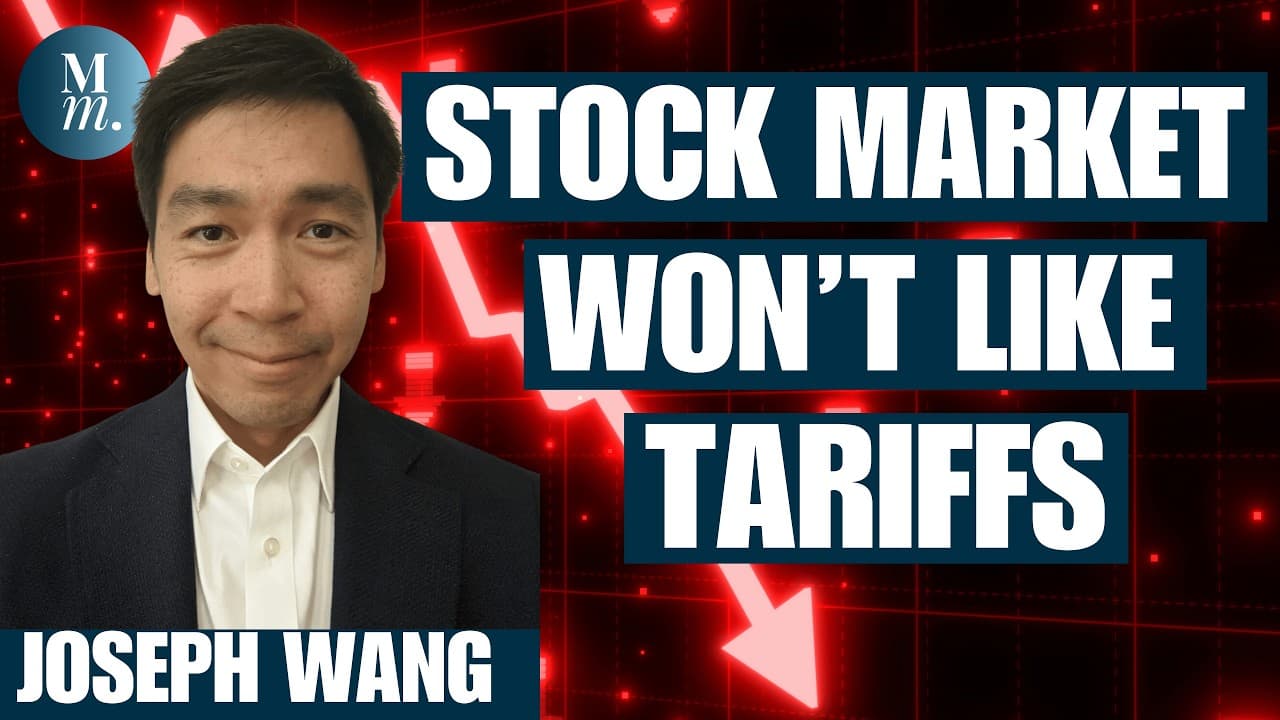
Tariffs are poised to significantly impact global trade and financial markets, as Joseph Wang argues that the upcoming measures from the Trump administration will negatively affect stock prices and constrain financial conditions. While many believe tariffs will drive inflation, Wang suggests companies may absorb costs, leading to a potential downturn in growth instead. The situation raises concerns about geopolitical tensions and market volatility, shifting investor focus towards bonds and gold.
Transcript
the market is really misunderstanding Trump the trajectory is very clear there's going to be higher tariffs the goal is to try to reshape the global trade system so that the US is producing more manufactured goods themselves you're going to have higher tariffs on a broader range of goods that's not good for the stock market ... Read More
Key Insights
- Joseph Wang argues that the market is underestimating the impact of upcoming tariffs by the Trump administration, which aims to reshape global trade and reduce reliance on foreign manufacturing.
- Wang believes that increased tariffs will negatively affect the stock market, particularly impacting mega-cap companies that benefit from globalization and are heavily represented in equity indices.
- Despite common beliefs, Wang suggests that tariffs may not be inflationary, citing past instances where companies absorbed costs rather than passing them on to consumers.
- He anticipates that tariffs will lead to a tightening of financial conditions, potentially prompting the Federal Reserve to cut interest rates to stimulate the economy.
- The discussion highlights the geopolitical risks associated with tariffs, including potential retaliatory measures from countries like China, which could impact global trade dynamics.
- Wang expresses skepticism about traditional economic models that view tariffs as universally negative, pointing to China's success with protectionist policies.
- The conversation touches on the potential for tariffs to disrupt supply chains and business confidence, leading to slower economic growth in the short term.
- Wang is bullish on bonds and gold, seeing them as safer investments amid the expected market volatility caused by tariffs and geopolitical tensions.
Install to Summarize YouTube Videos and Get Transcripts
Explore YouTube Video Summarizer or Get YouTube Transcript Extractor
Questions & Answers
Q: What is Joseph Wang's view on the impact of tariffs on the stock market?
Joseph Wang believes that the stock market is underestimating the impact of upcoming tariffs by the Trump administration. He argues that these tariffs will negatively affect the stock market, particularly impacting mega-cap companies that benefit from globalization and are heavily represented in equity indices. As tariffs increase, these companies may suffer, leading to a decline in their stock prices and overall market volatility.
Q: Are tariffs expected to be inflationary according to Joseph Wang?
Joseph Wang suggests that tariffs may not be inflationary, contrary to common beliefs. He cites past instances where companies absorbed the costs of tariffs rather than passing them on to consumers, which limited inflationary effects. Wang highlights that while tariffs could theoretically increase prices, various factors, such as currency adjustments and business strategies, might mitigate these effects.
Q: How might tariffs influence the Federal Reserve's monetary policy?
Wang anticipates that the implementation of tariffs will lead to tighter financial conditions, potentially prompting the Federal Reserve to cut interest rates to stimulate the economy. He argues that the Fed might view the inflationary impact of tariffs as transitory and focus more on the potential negative effects on economic growth and business confidence, which could justify a more dovish monetary policy stance.
Q: What geopolitical risks are associated with the Trump administration's tariff plans?
The discussion highlights several geopolitical risks associated with the Trump administration's tariff plans. One major concern is potential retaliatory measures from countries like China, which could escalate trade tensions and disrupt global trade dynamics. Such actions could further complicate international relations and have significant economic implications for both the U.S. and its trading partners.
Q: Why does Joseph Wang express skepticism about traditional economic models regarding tariffs?
Joseph Wang expresses skepticism about traditional economic models that view tariffs as universally negative. He points to China's success with protectionist policies as evidence that tariffs can be beneficial under certain circumstances. Wang argues that these models often fail to capture the complexities of real-world economic dynamics and may overlook the potential strategic advantages of tariffs in reshaping trade relationships.
Q: What is the expected short-term economic impact of tariffs according to Joseph Wang?
Wang expects that tariffs will disrupt supply chains and business confidence, leading to slower economic growth in the short term. He believes that the immediate impact of tariffs will be negative, as companies adjust to new trade barriers and uncertainty increases. This disruption could result in decreased investment and consumer spending, ultimately slowing down the overall economy.
Q: Why is Joseph Wang bullish on bonds and gold?
Joseph Wang is bullish on bonds and gold, seeing them as safer investments amid the expected market volatility caused by tariffs and geopolitical tensions. He believes that as tariffs tighten financial conditions and potentially lead to rate cuts by the Federal Reserve, bonds will become more attractive. Additionally, gold is viewed as a hedge against geopolitical risks and currency fluctuations, making it a favorable investment in uncertain times.
Q: How does Joseph Wang view the potential for tariffs to reshape global trade?
Wang views the Trump administration's tariffs as a strategic move to reshape global trade by encouraging domestic manufacturing and reducing reliance on foreign goods. He believes that this approach aligns with broader geopolitical goals and could lead to a rebalancing of trade relationships. However, he also acknowledges the potential for significant short-term disruptions and challenges as the global economy adjusts to these changes.
Summary & Key Takeaways
-
Joseph Wang discusses the Trump administration's plan to implement significant tariffs aimed at reshaping global trade, which he believes the market is underestimating. He predicts these tariffs will negatively impact the stock market and lead to tighter financial conditions.
-
Wang argues that tariffs might not be inflationary, as companies could absorb the costs rather than passing them on to consumers. He anticipates that these tariffs will prompt the Federal Reserve to cut interest rates to ease financial conditions.
-
The discussion explores the geopolitical risks associated with tariffs, including potential retaliation from countries like China. Wang remains bullish on bonds and gold, viewing them as safer investments amid expected market volatility.
Read in Other Languages (beta)
Share This Summary 📚
Summarize YouTube Videos and Get Video Transcripts with 1-Click
Try YouTube Summary with ChatGPT & Claude or YouTube Transcript Generator
Explore More Summaries from The Monetary Matters Network 📚


Summarize YouTube Videos and Get Video Transcripts with 1-Click
Try YouTube Summary with ChatGPT & Claude or YouTube Transcript Generator