How Will U.S. Treasury Buybacks Impact Bond Markets?
TL;DR
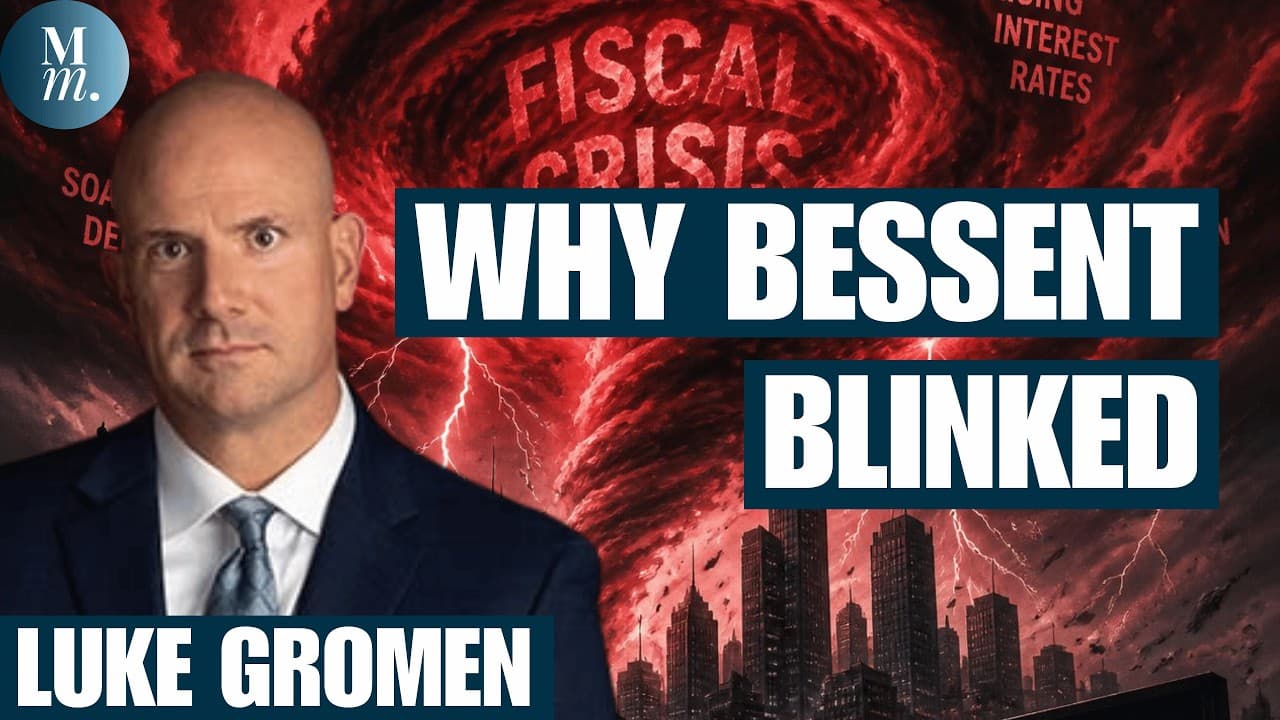
The U.S. Treasury's recent decision to double its bond buybacks signals an effort to manage rising long-term yields, which have been driven by high capital demand from AI and government deficits. This intervention is seen as a soft form of yield curve control. However, the move may lead to inflationary pressures, raising questions about the sustainability of current fiscal policies.
Transcript
debt spiral. Bessent has a debt spiral problem today. That's why he acted. It's why he acted two weeks ago. It's why he acted yesterday. It's why he's going to keep acting going forward. >> Today's episode is brought to you by the Tukrium Corn Fund, ticker C O R N. Let's get into it. Got a very important conversation today. I'm joined once again by... Read More
Key Insights
- The U.S. Treasury's bond buyback increase aims to manage long-term yields, which have risen due to high capital demand from AI and government deficits.
- Treasury Secretary Bessent's actions are viewed as a form of yield curve control, aimed at stabilizing the bond market.
- The intervention may lead to inflationary pressures, complicating fiscal sustainability.
- Entitlements, interest, and veterans benefits now exceed federal receipts, growing faster than revenue.
- A proposed revaluation of U.S. gold reserves could inject trillions into the economy, potentially stabilizing debt issues.
- The AI CapEx boom is compared to historical bubbles, suggesting potential for a future bust.
- Private credit's rise is linked to reduced demand for long-duration Treasuries, impacting bond market dynamics.
- Japan's bond market activities highlight global interconnectedness and potential impacts on U.S. Treasury policies.
Install to Summarize YouTube Videos and Get Transcripts
Explore YouTube Video Summarizer or Get YouTube Transcript Extractor
Questions & Answers
Q: How does the U.S. Treasury's bond buyback program affect long-term yields?
The U.S. Treasury's bond buyback program aims to manage rising long-term yields by increasing liquidity in the bond market. By purchasing more bonds, the Treasury seeks to stabilize yields, which have been driven up by high capital demand from AI and government deficits. This intervention is seen as a form of yield curve control, intended to prevent further increases in borrowing costs.
Q: What are the potential inflationary effects of the Treasury's bond buyback program?
The Treasury's bond buyback program could lead to inflationary pressures as it increases liquidity in the bond market. By stabilizing long-term yields, the program may encourage more borrowing and spending, which can drive up prices. Additionally, the increased fiscal activity required to support the buybacks could further exacerbate inflation, challenging the sustainability of current fiscal policies.
Q: Why are entitlements, interest, and veterans benefits a concern for U.S. fiscal policy?
Entitlements, interest, and veterans benefits now exceed federal receipts, growing at a rate of 7.5% annually compared to revenue growth of 4%. This imbalance presents a significant challenge for U.S. fiscal policy, as it indicates that mandatory spending commitments are outpacing revenue, potentially leading to a debt spiral. Addressing this issue may require difficult policy decisions to ensure fiscal sustainability.
Q: How could revaluing U.S. gold reserves impact the economy?
Revaluing U.S. gold reserves from $42/oz to $20,000/oz could inject approximately $5 trillion into the Treasury General Account. This revaluation would effectively increase the money supply, providing the government with additional resources to address debt issues. Such a move could stabilize the fiscal situation but may also have inflationary consequences, requiring careful management to avoid economic disruption.
Q: What similarities exist between the current AI CapEx boom and historical economic bubbles?
The current AI CapEx boom is compared to historical economic bubbles like canals, railroads, and telecom, which initially drove significant growth but eventually led to busts. These bubbles were characterized by rapid investment and expansion, followed by a downturn when the market became overextended. The AI boom's potential for a similar pattern raises concerns about long-term sustainability and the risk of a future bust.
Q: How does private credit affect demand for long-duration Treasuries?
The rise of private credit, particularly among insurance companies, is reducing demand for long-duration Treasuries. As private credit offers higher yields and shorter durations, it becomes a more attractive investment compared to traditional government bonds. This shift in demand dynamics impacts the bond market, potentially leading to higher yields and increased volatility in long-term Treasury securities.
Q: What role does Japan play in the global bond market, and how does it affect U.S. policies?
Japan's bond market activities, including its yield curve control measures, highlight the interconnectedness of global financial markets. As Japan manages its own bond yields, it influences global interest rates and investor behavior. This interconnectedness affects U.S. Treasury policies, as changes in Japan can impact demand for U.S. bonds and influence domestic yield curve strategies.
Q: Why is gold considered a better investment than bonds in the current market environment?
Gold is considered a better investment than bonds due to its historical performance and current market conditions. Since 2014, TLT (a long-term Treasury ETF) has significantly underperformed against gold, with further declines expected. Gold offers a hedge against inflation and currency devaluation, making it an attractive option in an environment where fiscal and monetary policies are driving up inflationary pressures and eroding the real value of bonds.
Summary & Key Takeaways
-
The U.S. Treasury's decision to double bond buybacks is seen as a response to rising long-term yields driven by AI and government deficits. This move is part of a broader strategy to manage the yield curve and stabilize the bond market. However, it could lead to inflationary pressures, raising concerns about fiscal sustainability.
-
Entitlements, interest, and veterans benefits currently exceed federal receipts, growing faster than revenue, which presents a significant challenge for the U.S. government. A proposed revaluation of U.S. gold reserves could provide a solution by injecting trillions into the economy.
-
The AI CapEx boom is likened to historical bubbles, indicating a potential future bust. Meanwhile, the rise of private credit is reducing demand for long-duration Treasuries, affecting bond market dynamics. Japan's bond market activities underscore global interconnectedness and potential impacts on U.S. Treasury policies.
Read in Other Languages (beta)
Share This Summary 📚
Summarize YouTube Videos and Get Video Transcripts with 1-Click
Try YouTube Summary with ChatGPT & Claude or YouTube Transcript Generator
Explore More Summaries from The Monetary Matters Network 📚




Summarize YouTube Videos and Get Video Transcripts with 1-Click
Try YouTube Summary with ChatGPT & Claude or YouTube Transcript Generator