What Insights Does Timothy Snyder Offer on Modern Ukraine?
TL;DR
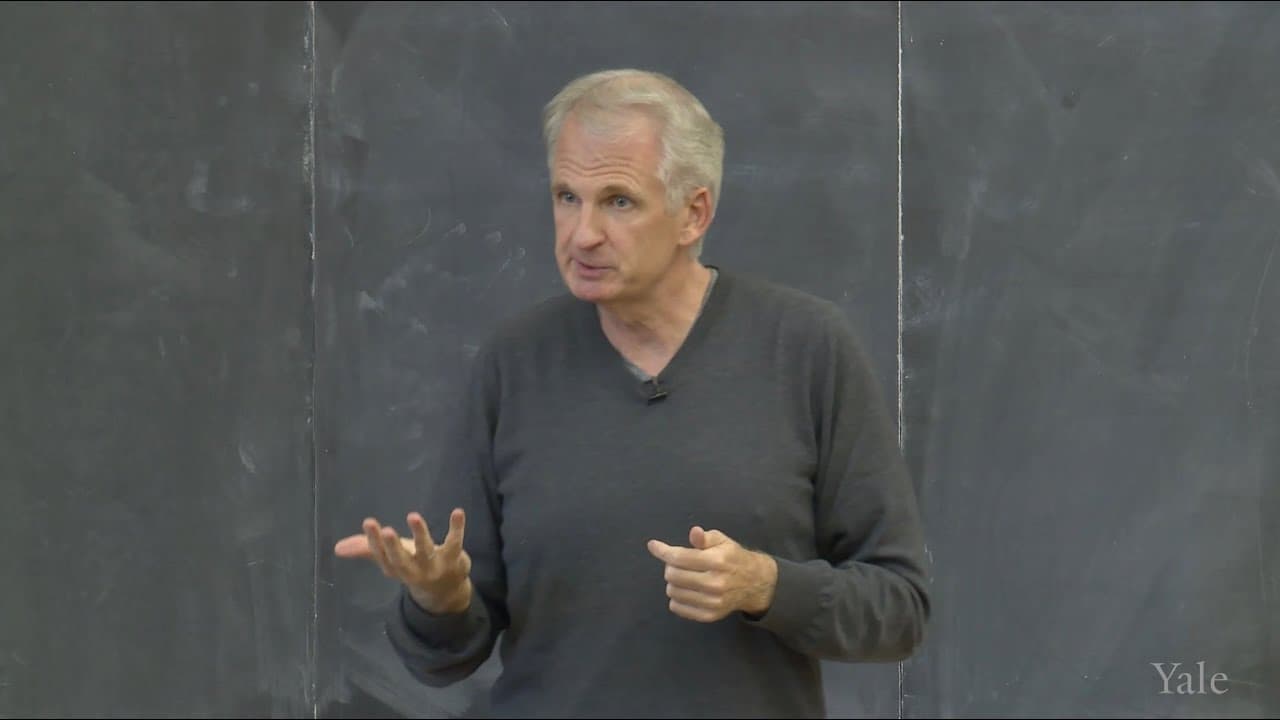
Timothy Snyder discusses the intertwined histories of empires and nations, emphasizing that empires often claim to liberate nations while simultaneously exploiting and enslaving them. He highlights how slavery influenced the growth of empires and connects this to modern Ukraine, illustrating that the legacies of colonialism and the complexities of national identity remain deeply relevant today.
Transcript
(thoughtful music) - Okay, greetings. Happy Thursday. Welcome. You guys have an exam a week from today. We've been talking about the TAs, about the kinds of things that are going to be on the exam. It'll be very straightforward. Some IDs, some dates, some short answers, some essays. You'll have a choice among questions. You should think about, like... Read More
Key Insights
- 🌍 The period between 1500 and 1950 witnessed significant European empire-building and world connectivity.
- 🌍 Empire and nation are deeply interconnected throughout history, with empires often exploiting nations while claiming to liberate them.
- 🌍 Slavery played a crucial role in the formation and expansion of empires, with the demand for slaves shifting from Europe to Africa.
- 🏤 The race for Africa influenced European perceptions of empire and led to the colonization of European territories in the 20th century.
Install to Summarize YouTube Videos and Get Transcripts
Explore YouTube Video Summarizer or Get YouTube Transcript Extractor
Questions & Answers
Q: How did the race for Africa in the late 19th century influence European perceptions of empire?
The race for Africa heightened European ambitions for empire and shaped the way Europeans thought about colonization. It influenced their perception of Africa as a source of resources and led to the colonization of European territories in the 20th century.
Q: How did empires justify their control over nations?
Empires often justified their control over nations by claiming to liberate them. This was particularly true in the 19th century when national liberation movements were entangled with imperial ambitions. The idea of national liberation helped empires maintain control over territories while appeasing local populations.
Q: How did slavery shape the formation and expansion of empires?
Slavery played a significant role in empire-building, with empires often relying on enslaved labor for economic gain. As the demand for slaves shifted from Europe to Africa, empires sought to control territories for the trade of agricultural and mineral goods, further entrenching the institution of slavery.
Q: How did imperialism influence the perspectives of Hitler and Stalin towards Ukraine?
Hitler viewed Ukraine through an Africanizing lens, influenced by the European domination of African colonies during his formative years. Stalin, lacking distant maritime colonies like the British and the French, pursued internal colonization in Ukraine. Imperialism provided these leaders with frameworks for thinking about Ukraine and their respective colonial ambitions.
Summary & Key Takeaways
-
Empires and nations have a complex relationship, with empires often claiming to liberate nations while also exploiting and enslaving them.
-
Slavery played a significant role in the formation and expansion of empires, with the demand for slaves shifting from Europe to Africa in the 19th century.
-
The end of the 18th century saw the rise of national liberation movements, entangled with imperial ambitions.
-
The race for Africa in the late 19th century influenced European perceptions of empire and the colonization of Europe itself.
Read in Other Languages (beta)
Share This Summary 📚
Summarize YouTube Videos and Get Video Transcripts with 1-Click
Try YouTube Summary with ChatGPT & Claude or YouTube Transcript Generator
Explore More Summaries from YaleCourses 📚



Summarize YouTube Videos and Get Video Transcripts with 1-Click
Try YouTube Summary with ChatGPT & Claude or YouTube Transcript Generator