How to forge a Greek xiphos sword in competition
TL;DR
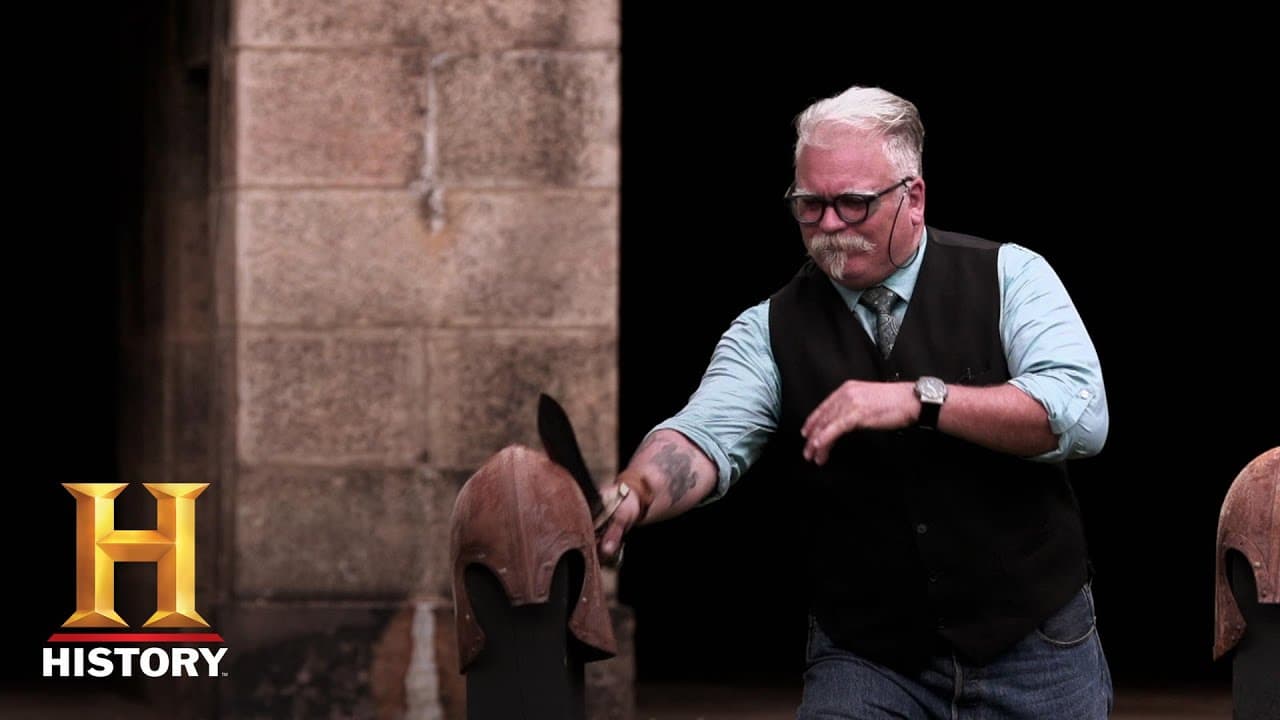
The video shows two bladesmiths in a forge competition tasked with recreating a xiphos, a Greek double edged short sword. One maker tackles annealing, quenching, and shaping the handle while the other faces a misstep with his vermiculite sand mix and must adapt. In the end, Keith wins after strong finishing and solid performance in tests.
Transcript
HOST: Jon, Keith, congratulations. When you came to this forge you used our tools and our equipment to forge signature blades in your signature style. Now, we're sending you back to your home forge where you will recreate an iconic weapon from history, the xiphos. The xiphos was a double-edged short sword wielded in ancient Greece by the hoplites a... Read More
Key Insights
- Xiphos is a double edged short sword used by hoplites and is effective in thrusting and slashing in close quarters.
- The process includes annealing, heat treatment, and quenching to achieve the desired blade properties, demonstrated by one contestant despite a rough start.
- A misstep in the annealing medium can lead to a bent blade, forcing a contestant to adjust strategy and proceed with normalization and quenching.
- Handle and guard design impact performance in the final evaluation, as loose fittings or gaps can influence judges’ decisions.
- The sharpness test requires the blade to cut through rope and sandbags, testing edge retention and balance.
- Strength tests involve blows against a helmet, revealing blade integrity and the quality of construction around the guard and pommel.
- Contoured handles and well-fitted guards contribute to high marks in strength and handling assessments.
- The championship outcome hinges on the overall build quality, with finish details being as critical as raw blade strength.
- More videos from this channel:
- More from this channel: HISTORY
Install to Summarize YouTube Videos and Get Transcripts
Explore YouTube Video Summarizer or Get YouTube Transcript Extractor
Questions & Answers
Q: A real search query question about the video (e.g. 'How to...', 'What is...', 'Why does...', 'When should...'). Question 1
What is a xiphos sword and why was it used by Greek hoplites in ancient warfare? The xiphos is a double edged short sword with a leaf shaped profile designed for thrusting and slashing in close quarters combat. It served as a backup weapon when a hoplite’s spear was unavailable and is historically associated with the Greek phalanx formations.
Q: Question 2
How does annealing affect blade quality and why did one contestant struggle with the vermiculite and sand mix? Annealing softens steel and relieves internal stresses, improving ductility for subsequent heat treatments. The contestant encountered a mix that was too dense, causing the blade to resist proper annealing, raising concerns about potential bending and the need to adjust the plan to normalize and quench.
Q: Question 3
What steps are involved in the heat treatment process shown in the video and why are they important for a functional sword? The process includes heating to critical temperature, quenching to harden, and then finishing with normalization. These steps determine edge durability, hardness, and resistance to cracking, all of which are evaluated during the judges tests for sharpness and strength.
Q: Question 4
What design choices did the competitors make for the xiphos guards and handles and how did these affect performance? One competitor chose a classic straight guard with simple Celtic inspired curls, while the other faced a looser fit around the pommel and guard. Guard and handle ergonomics influence grip, balance, and the blade’s ability to withstand testing without wobble.
Q: Question 5
How is blade sharpness tested in the final rounds and what does a successful cut indicate? The judges test edge sharpness by cutting a rope to trigger a sandbag release and then severing the sandbag. A successful cut demonstrates a sharp, well supported edge and proper balance between blade and grip.
Q: Question 6
What does the strength test reveal about the swords and why is the helmet test critical? The strength test involves delivering blows on either side of a helmet to assess the blade’s structural integrity and how the guard and pommel hold up under impact. This test helps ensure the weapon does not fail under real combat-like stress.
Q: Question 7
Why was there a final decision between the two blades, and what criteria were most influential? The judges weighed edge sharpness, overall balance, guard fit, and strength under impact. While one blade performed strongly in the strength test, issues with fit and finish on the other helped determine the final champion based on comprehensive construction quality.
Q: Question 8
Who won the Forged in Fire season final and what does the victory signify for the competitor? Keith won the final, earning a $10,000 prize and the championship title. The victory signifies mastery in forging, finishing, and executing a complete weapon that withstands both sharpness and strength evaluations under competition conditions.
Summary & Key Takeaways
-
This segment follows two finalists as they attempt to recreate a Greek xiphos sword for the final round, detailing their fabrication steps from heat treatment to handle fitting and guard design.
-
The episode highlights a setback with annealing for one contestant, leading to a revised plan and continued work to complete the blade for the judges' sharpness and strength tests.
-
The final verdict awards the championship to Keith, with judges noting strength and finishing details, while the other competitor receives feedback on handle fit and overall build quality.
Read in Other Languages (beta)
Share This Summary 📚
Summarize YouTube Videos and Get Video Transcripts with 1-Click
Try YouTube Summary with ChatGPT & Claude or YouTube Transcript Generator
Explore More Summaries from HISTORY 📚





Summarize YouTube Videos and Get Video Transcripts with 1-Click
Try YouTube Summary with ChatGPT & Claude or YouTube Transcript Generator