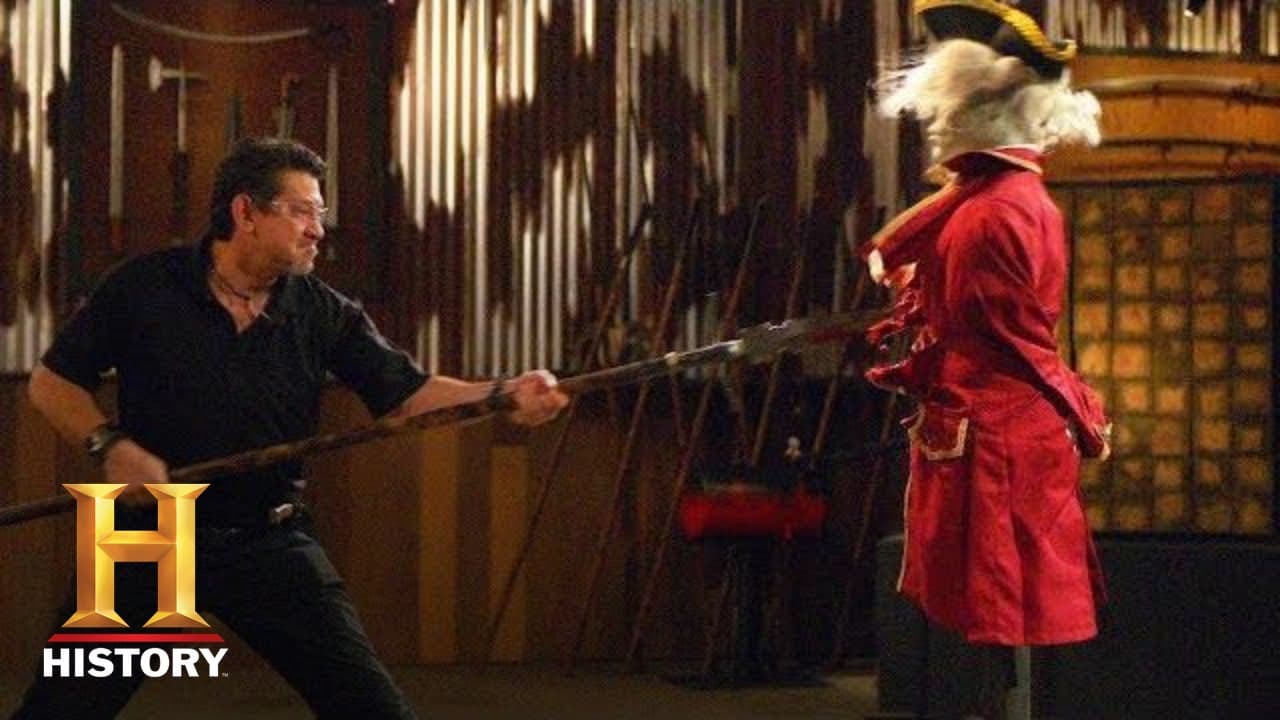
How to forge a Revolutionary War spontoon for Forged in Fire
TL;DR
The winner is Chris, whose spontoon stayed sharp and intact through tests. Builders used 5160 steel, Damascus billets, and welded components, then heat treated with a controlled oven. The final rounds featured air cannon impact tests and sharpness tests to determine durability and edge retention.
Transcript
overall sir your weapon will saying Chris congratulations you boys have made it into the final round of this competition now we're sending you back to your home for just to recreate an iconic weapon from history that weapon is the Revolutionary War sergeants pontoon mm-hmm good luck we'll see you in four days we're back in Waxhaw and i have to make... Read More
Key Insights
- 5160 steel was chosen for its heat treatability and toughness under stress.
- Damascus billets were used to increase layer count and visual complexity while maintaining function.
- A temperature controlled oven enabled precise heat treatment of the blade.
- Cross guards and tangs were welded to improve structural integrity of the spontoon.
- The weapon design emphasized balance with weight forward to improve thrust performance.
- Edge maintenance was critical; a rolled tip reduced cutting efficiency in one weapon.
- Air cannon tests assessed durability and edge retention under realistic impact.
- The final decision favored the weapon with consistent sharpness and intact edge after tests, awarding the championship to Chris.
- More videos from this channel:
- More from this channel: HISTORY
Install to Summarize YouTube Videos and Get Transcripts
Explore YouTube Video Summarizer or Get YouTube Transcript Extractor
Questions & Answers
Q: What is the key factor in choosing steel for a historically inspired weapon like a spontoon?
The key factor is its ability to withstand heat treatment and maintain toughness under duress. In the video, 5160 steel was chosen for its balance of ease of heat treating and durability, ensuring the blade can be shaped, hardened, and tested without cracking or excessive warping. This choice supports reliable edge retention and structural integrity during tests.
Q: How is a Damascus billet used in making a forged weapon like the spontoon?
A Damascus billet is used to increase the number of layers in the blade, creating a layered look and potentially improved grain structure. The craftsman cleans and restocks the billet to size before shaping the point, allowing for a strong, visually appealing blade. The process combines aesthetic and functional benefits while maintaining blade performance.
Q: Why is heat treatment crucial in this final round, and how is it controlled?
Heat treatment is crucial because it hardens the steel to hold a sharp edge and resist deformation during use. It is controlled with a temperature regulated oven to keep the blade at the exact temperature for a defined period, reducing the risk of cracks, warping, or insufficient hardness that would compromise performance in tests.
Q: What role does welding play in assembling the spontoon in the final build?
Welding reinforces the structural connections between the guard, tang, and socket. This step addresses potential weaknesses from drawing and forging, ensuring a solid, unified weapon. It enhances durability during impact tests and helps prevent failure at critical junctions under stress.
Q: How do the judges assess the edge and overall sharpness of the weapons?
Judges assess edge sharpness through a sharpness test after impact trials. They observe how cleanly the edge cuts, whether any glazing or rolled tips affect performance, and whether the edge remains intact after simulating combat scenarios. This confirms the blade’s practical cutting ability under duress.
Q: What performance criteria determine the winner in this Forged in Fire finale?
The winner is determined by a combination of balance, edge retention, and durability under tests like the air cannon impact and sharpness evaluations. The weapon must show strong structural integrity, maintain a sharp edge throughout diverse tests, and align with historical design intent while performing reliably.
Q: What does a successful spontoon indicate about a smith’s craft in this episode?
A successful spontoon demonstrates mastery of heat treatment, welding, and precise shaping, producing a weapon that remains sharp and intact under rigorous tests. It shows the smith can translate historical design into a functional, durable tool, reflecting a deep understanding of materials, geometry, and forging technique.
Q: What was the outcome of the final judging for Zane vs Chris in this video?
Chris won the championship, with his weapon remaining sharp and undamaged through all tests. Zane’s weapon sustained some damage during the sharpness test, affecting its efficacy, leading to his elimination. The decision underscored the importance of edge durability and overall resilience under the final challenges.
Summary & Key Takeaways
-
Both finalists built a под potent spontoon with a Damascus and steel blade, focusing on weight balance and structural integrity. The process included shaping, welding guard and tang, and careful heat treatment to maximize durability. The weapons were then subjected to impact and sharpness tests to gauge performance.
-
Zane and Chris faced the final tests with edge retention and fracture resistance on live wood targets, emphasizing how the weapon holds up under thrusts and slashes. The judges evaluated balance, grip, and the ability to withstand cannon impact.
-
Chris ultimately demonstrated superior durability and edge integrity, earning the championship and a $10,000 prize. The competition highlighted heat treating precision, forging technique, and the importance of robust construction for historical replicas.
Read in Other Languages (beta)
Share This Summary 📚
Summarize YouTube Videos and Get Video Transcripts with 1-Click
Try YouTube Summary with ChatGPT & Claude or YouTube Transcript Generator
Explore More Summaries from HISTORY 📚






Summarize YouTube Videos and Get Video Transcripts with 1-Click
Try YouTube Summary with ChatGPT & Claude or YouTube Transcript Generator