How did Civil War photos shape public history
TL;DR
Civil War photographers pushed the medium forward by using wet plate processes, creating glass plate negatives and ambrotypes, and sharing images through albums and engravings. Their work was often done on the move, with wagons and field studios, producing thousands of prints and helping news travel fast via newspapers and magazines. Their efforts let millions see distant battles and daily scenes alike.
Transcript
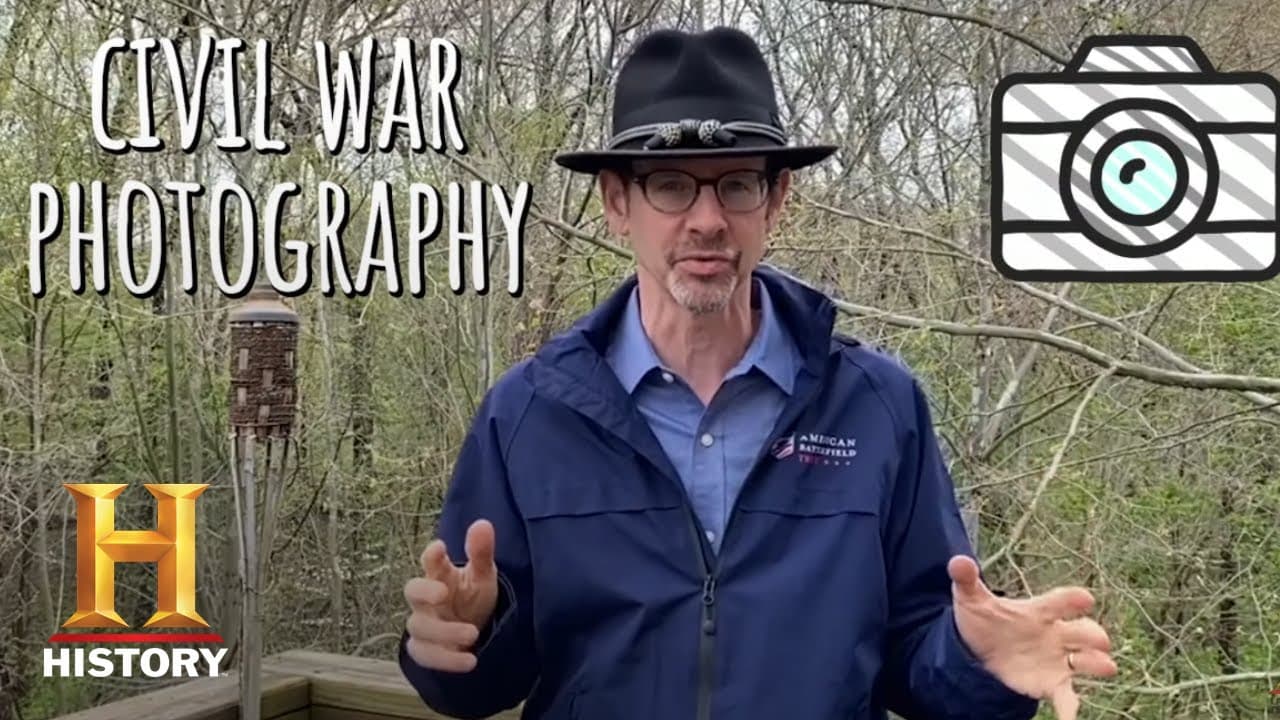
hi I'm Gary Edelman chief historian at the American battlefield trust and this is history at home I'm so happy to be here talking about my favorite subject civil war photography the Civil War was fought from 1861 to 1865 and it's the first war that is largely photographed and in so many ways civil war photographers we're way ahead of us more than a... Read More
Key Insights
- Photographers in the Civil War used wet plate chemistry on glass to produce a negative that could be printed as thousands of prints.
- Ambrotypes were a key method turning glass plate images into positive prints when viewed against a dark background.
- A minority of photographers left studios to follow armies, creating a vast documentary record in difficult war conditions.
- 3D stereo photographs were common, offering a virtual reality-style experience for the era and increasing viewer engagement.
- Images could be quickly converted into engravings or woodcuts for newspapers, enabling mass dissemination within weeks.
- Original glass plates from the era are preserved in major archives, debunking myths about total loss of photographs.
- The photos documented not only battles but camps, hospitals, prisons, and everyday moments, broadening historical understanding.
- Public access to these images via catalogs and institutions allows researchers to compare plates and understand battlefield layouts.
- More videos from this channel:
- More from this channel: HISTORY
Install to Summarize YouTube Videos and Get Transcripts
Explore YouTube Video Summarizer or Get YouTube Transcript Extractor
Questions & Answers
Q: What role did the wet plate process play in Civil War photography
The wet plate process involved applying collodion to a glass plate to form a light sensitive film, then preparing and developing the plate on site. Photographers carried complex chemicals and fragile glass plates in wagons, set up scenes with careful staging, and produced a photographic negative that could be printed as multiple copies, forming the core of Civil War image production.
Q: How did ambrotypes work and why were they important
Ambrotypes were created when a glass plate negative was viewed against a dark background, producing a positive image. This method allowed photographers to generate clear positive prints on the spot and then create additional prints on albumen paper by exposing it to sunlight, enabling mass distribution of images from a single plate.
Q: Why were only a few photographers able to follow armies into battle
Only a handful of photographers left studios to accompany armies due to the complexity of carrying all necessary photo chemicals, fragile glass plates, and equipment. They slept in and around their wagons while documenting camps, hospitals, prisons, and battlefields, a demanding process that limited who could undertake such field work.
Q: What is the significance of 3D photography in Civil War images
Many Civil War photographs were taken in 3D, using stereo photography, which created a sense of depth and realism for viewers. This technique acted as the virtual reality of the era, helping people experience distant scenes more vividly and making war photographs more impactful and engaging for the public.
Q: How did photographs reach a wide audience in the 19th century
Photographers could hand off particularly newsworthy images to artists who converted them into engravings or woodcuts, which were then printed in newspapers and magazines. This allowed a single image to be seen by a million people within a month, greatly expanding the reach and influence of Civil War photography.
Q: What kinds of scenes did Civil War photographers capture
They captured battlefields, camps, prisons, and hospitals, as well as soldiers and everyday moments, including people smiling. The breadth of subjects provides a comprehensive visual record of military life, medical care, and civilian interactions during the war, contributing to a richer historical understanding.
Q: Are original Civil War glass plates still available
Yes, original documentary Civil War photographs are preserved in catalogs and major institutions such as the Library of Congress, the National Archives, and the Smithsonian. These intact glass plates enable researchers to compare different copies and understand battlefield layouts and environment, countering myths that all plates were destroyed.
Q: What can modern viewers learn from Civil War photographs
Modern viewers can learn about the logistics of 19th century photography, the scale of Civil War documentation, and how images traveled from the field to publications. The photos help rehabilitate and interpret battlefields by revealing compositions, positions, and settings that inform current historical understanding.
Summary & Key Takeaways
-
Civil War photography was ahead of its time, using wet plate processes and glass plates to create durable images that could be printed widely.
-
photographers traveled with armies, sometimes in special wagons, capturing camps, prisons, hospitals, and battlefields for four years.
-
stereo photography and quick engraving techniques helped images reach a broad audience through newspapers and albumen prints.
Read in Other Languages (beta)
Share This Summary 📚
Summarize YouTube Videos and Get Video Transcripts with 1-Click
Try YouTube Summary with ChatGPT & Claude or YouTube Transcript Generator
Explore More Summaries from HISTORY 📚






Summarize YouTube Videos and Get Video Transcripts with 1-Click
Try YouTube Summary with ChatGPT & Claude or YouTube Transcript Generator