How to Grow a Small Channel With YouTube Search
TL;DR
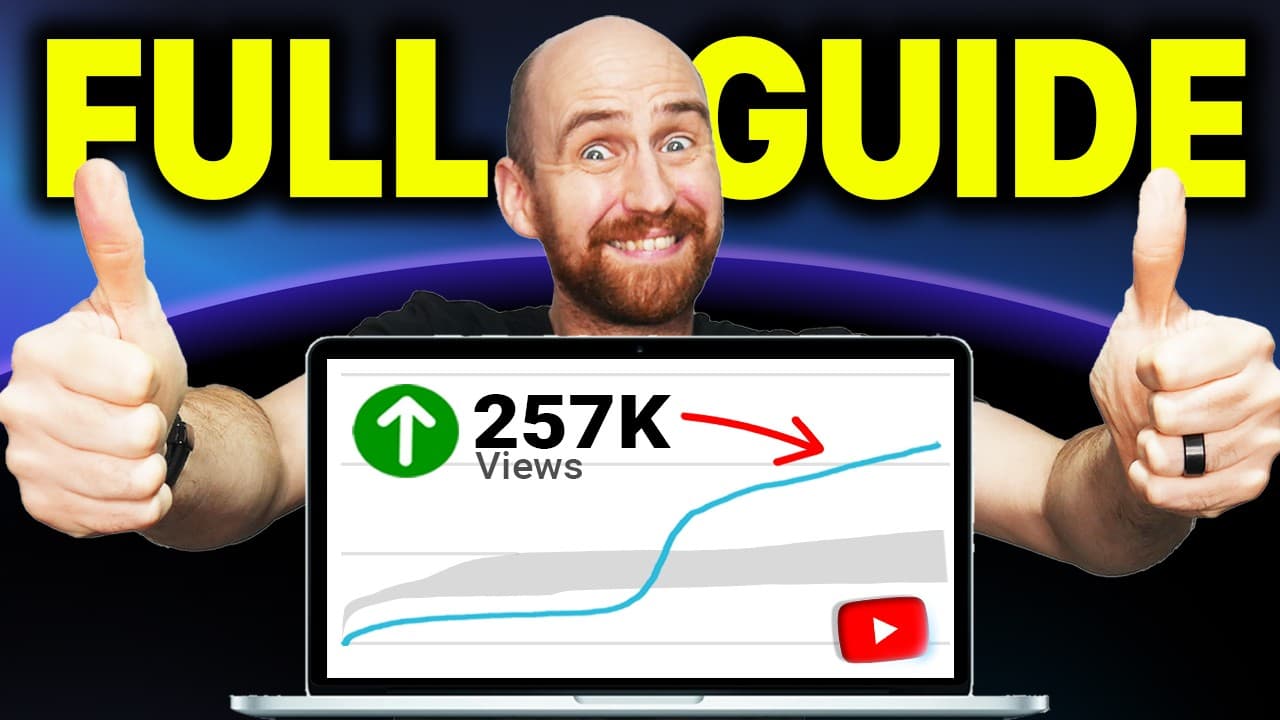
YouTube recommends videos by matching the right content to each viewer at the right time, using signals such as watch history, viewing behavior, metadata, and satisfaction. Small channels can improve discovery by targeting underserved searches, writing accurate titles and descriptions, creating valuable content for a specific audience, and sharing videos in relevant outside communities to establish initial watch history.
Transcript
you hate the YouTube algorithm don't you you think it's preventing you from getting views every single day but you'd be foolish to think that and I'm going to tell you why in just 5 minutes a lot of you believe the almighty algorithm is there to keep big channels on top and to keep you in your tiny insignificant place and if you do fail and you giv... Read More
Key Insights
- YouTube uses many interacting search and discovery systems, not one all-powerful algorithm. Their shared objective is to surface the right video for the right viewer at the right time across different devices, contexts, and viewing sessions.
- Watch history is one of YouTube's most important signals for predicting what a viewer may want next. Recommendations and search results are generally pulled in response to viewer behavior rather than simply pushed to an audience after a creator uploads.
- Metadata is especially important when YouTube has no behavioral data about a new video or channel. Titles and descriptions help the system understand the subject, allowing fresh uploads to be considered when viewers search for related topics.
- Search is a practical starting point for channels beginning with no established audience. A focused video can appear for a relevant query, generate its first viewers, and begin entering watch histories that provide stronger behavioral signals for later discovery.
- Viewer satisfaction complements watch time because prolonged engagement does not always produce a positive experience. YouTube can assess satisfaction through surveys, ratings, reported feelings after watching, and negative actions taken by a particular viewer.
- Quality is central to audience building because valuable videos educate, entertain, or inspire viewers. Quantity still has a role when creators need repetition to improve their production process, develop skills, and build what the transcript calls YouTube muscle memory.
- Niche selection is a competitive decision because broad subjects may already be served by many strong videos. Creators should examine existing results, identify audiences whose needs remain unmet, and produce a better response than the content already available.
- Relevant external promotion can establish early watch history for a small channel. Creators can share content in suitable Facebook groups, Discord servers, or Twitter communities, but relevance matters because indiscriminate link posting does not serve the intended audience.
Install to Summarize YouTube Videos and Get Transcripts
Explore YouTube Video Summarizer or Get YouTube Transcript Extractor
Questions & Answers
Q: How does the YouTube algorithm choose videos for viewers?
YouTube uses many interacting search and discovery systems to identify the right video for the right viewer at the right time. Recommendations are personalized, so the same person may receive different suggestions on a phone in the morning and on a television before bed. Watch history, engagement behavior, metadata, and satisfaction signals help the systems estimate what that viewer may want next.
Q: How can a new YouTube channel get discovered from zero?
A new channel can begin with search because YouTube relies more heavily on metadata when it has no behavioral information about a video. Clear titles and descriptions tell the system what the upload covers, allowing it to consider the video for relevant searches. Those first viewers can place the content in their watch histories and begin producing behavioral signals for future discovery.
Q: Why is watch history important for YouTube recommendations?
Watch history is described as one of the most important signals YouTube has for understanding a viewer. It helps the platform estimate what the person may want to watch next. For creators, appearing in relevant viewers' histories gives the system behavioral evidence about who responds to the content, which can support more appropriate search and recommendation matches.
Q: Should small YouTube channels target competitive topics?
Small channels should be cautious about entering the most competitive spaces because their videos must compare favorably with content already serving those viewers. The suggested approach is to inspect search results, use tools such as Google Trends, and find a narrower niche that is not already covered by many videos. The opportunity lies in producing the best response for an underserved need.
Q: Should creators promote YouTube videos on other platforms?
Creators can promote videos outside YouTube when the destination is relevant to the content and its intended community. Suitable places mentioned include Facebook groups, Discord servers, and Twitter. This outreach can seed early viewing activity and watch history, helping start the recommendation signal. It should not become indiscriminate posting across unrelated communities, because relevance remains essential.
Q: Why should creators avoid trying to hack the YouTube algorithm?
Attempts to exploit YouTube's systems can create frustration because the platform continually learns, changes, tests, and fixes discovered exploits. The transcript says YouTube conducts around 300 experiments each year. Even if a tactic works temporarily, it may disappear quickly. Creators are better served by understanding specific viewers, their goals and values, and the stories that create emotional connection.
Q: Does YouTube value watch time more than viewer satisfaction?
Watch time became important after raw views and keywords proved easy to manipulate, but it also created unintended behavior. Some creators made longer videos filled with unnecessary material, and engaging rabbit holes could leave viewers feeling miserable. YouTube therefore added satisfaction considerations, using surveys, ratings, feelings after viewing, and negative feedback to understand whether prolonged viewing actually produced a good experience.
Q: Is quality or quantity better for growing a YouTube channel?
Quality and quantity serve different stages and objectives. Quantity helps creators repeat the production process, practice their craft, improve faster, and develop YouTube muscle memory. Quality is more important when the goal is to build an audience because each video should provide value that educates, entertains, or inspires. A creator may appropriately use both approaches at different points in the channel's development.
Summary & Key Takeaways
-
YouTube operates many interacting search and discovery systems rather than one universal algorithm. These systems personalize homepages, suggested videos, and search results for individual viewers. Their central purpose is to select the right video for the right person at the right time, based on available information about content and viewing behavior.
-
YouTube previously emphasized raw views, keywords, and watch time, but each approach created problems. Keywords could be manipulated, while watch time encouraged longer and less focused videos. Machine learning enabled deeper personalization, and viewer satisfaction added another consideration through surveys, ratings, feelings after viewing, and explicit negative feedback from individual viewers.
-
Small channels should focus on people instead of attempting to exploit recommendation systems. New videos can gain initial discovery through search because titles and descriptions help YouTube understand content when behavioral data is unavailable. Creators can improve their chances by choosing underserved niches, outperforming existing results, and promoting videos within relevant outside communities.
Read in Other Languages (beta)
Share This Summary 📚
Summarize YouTube Videos and Get Video Transcripts with 1-Click
Try YouTube Summary with ChatGPT & Claude or YouTube Transcript Generator
Explore More Summaries from vidIQ 📚
Summarize YouTube Videos and Get Video Transcripts with 1-Click
Try YouTube Summary with ChatGPT & Claude or YouTube Transcript Generator