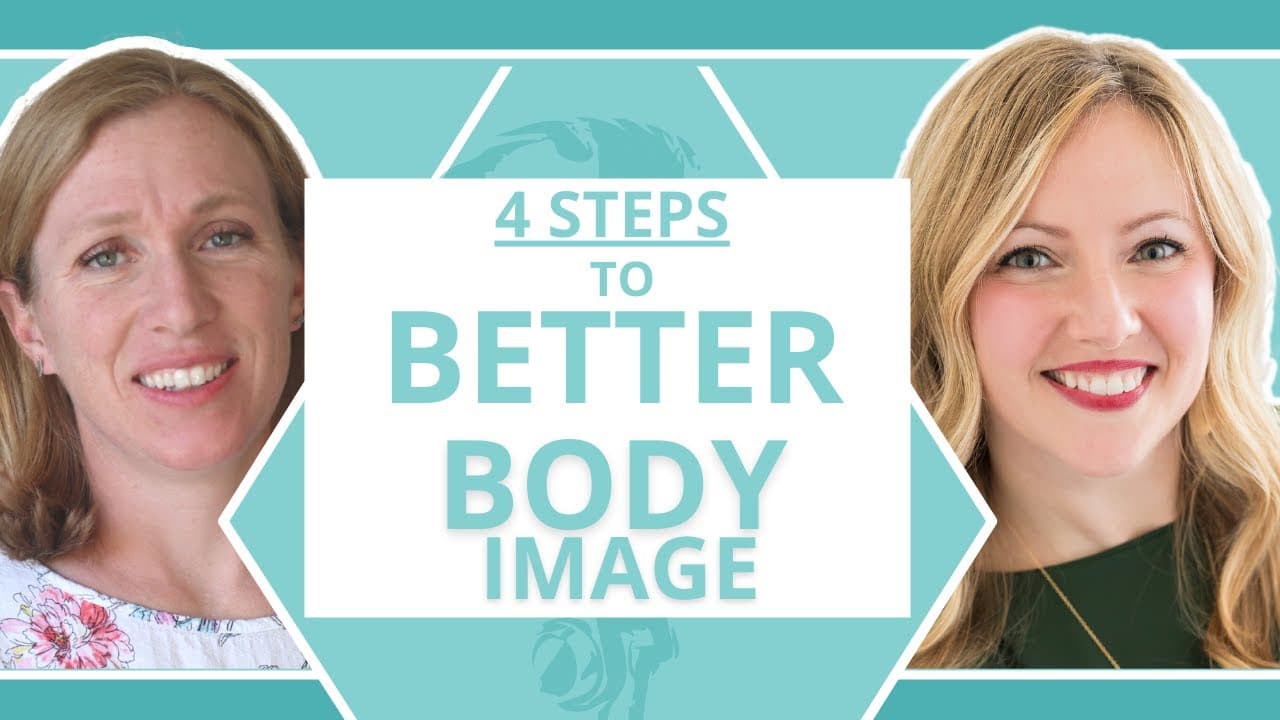
How Can You Stop Hating Your Body? 4 Steps with Amy Harman, CEDS
TL;DR
You can improve body image by noticing abusive inner dialogue, replacing shame with kinder self-talk, questioning altered media images, and separating happiness from appearance. Amy Harman, a licensed marriage and family therapist and certified eating disorder specialist, explains that poor body image can lead to depression, anxiety, eating disorders, and avoidance of meaningful activities. Read on for practical ways to build a healthier relationship with your body.
Transcript
If people take a moment to just listen to their inner dialogue, we can really see how abusive it is. And I like to think about body image as an abusive relationship sometimes, or just a relationship. It doesn't have to be abusive. But a lot of times it turns out that way Hello, everyone. Today we're going to be talking about a specific form of ... Read More
Key Insights
- Harsh body-related self-talk can function like emotional abuse because it restricts clothing, food, friendships, travel, and public activities through criticism and shame. A useful first step is to listen carefully to this inner dialogue and ask whether the same language would be acceptable from another person.
- Modern media exposure can distort body expectations because people may see more images of people than actual people in daily life. Many advertising and social media images are altered, yet repeated exposure can train the mind to treat those manufactured appearances as standards that real bodies should match.
- Shame is not an effective foundation for healthy change because calling yourself ugly, fat, lazy, or embarrassing does not create a respectful relationship with your body. The interview compares this strategy to insulting a child who is struggling with mathematics, which would hinder rather than support learning.
- Appearance does not determine body image because conventionally beautiful people can dislike their bodies, while average-looking or fat people can have a positive body image. Changing external features alone therefore cannot guarantee self-acceptance, confidence, or happiness without addressing underlying beliefs and patterns of self-talk.
- The belief that happiness depends on achieving a perfect body is distorted because human bodies are never perfect and inevitably experience change. Connecting happiness to thinness, beauty, or fitness creates an unreachable condition, while separating these concepts opens other paths toward satisfaction and a meaningful life.
- Positive body image is supported by kinder self-talk, helpful affirmations, and reduced comparison with other people. These practices challenge the double standard that permits private self-abuse while recognizing that identical comments would be harmful if directed toward a friend, child, spouse, or other person.
- Internalized fatphobia encourages unsupported judgments that people in larger bodies are unhealthy or lazy. Confronting these assumptions helps weaken the idea that body size determines character, effort, goodness, or worth, and it reduces the tendency to criticize both other people and oneself based solely on appearance.
- Personal identity is broader than weight, fitness, thinness, and physical imperfections. Emotional qualities, passions, relationships, creative work, kindness, and contributions to the world also shape a person, so concentrating identity into one physical feature throws life out of balance and obscures meaningful sources of happiness.
Install to Summarize YouTube Videos and Get Transcripts
Explore YouTube Video Summarizer or Get YouTube Transcript Extractor
Questions & Answers
Q: How can I stop hating my body?
Begin by noticing the insults and restrictions in your inner dialogue, including thoughts about food, clothing, exercise, and social activities. Ask whether you would accept those statements from a spouse or say them to someone else. Then replace shame with kinder self-talk and question the belief that happiness depends on looking thin or physically perfect.
Q: What are Amy Harman’s first steps toward better body image?
One of the first steps is recognizing how abusive and harmful body-related self-talk can be. Amy Harman also recommends changing how you think, letting go of distorted ideas, and moving toward a healthier relationship with your body. Her course is called “4 Steps to Better Body Image.”
Q: Why does negative body talk fail to motivate change?
The interview argues that you cannot shame someone into changing, even though people often try to motivate themselves that way. It compares body insults with yelling at a child who is struggling to learn math. Cruel criticism does not create a respectful or supportive foundation for change.
Q: How do social media and advertising affect body image?
Social media and advertising expose people to a pervasive stream of images, many of which have been doctored, touched up, or otherwise changed. People may see more images of people than actual people in daily life, causing altered appearances to seem normal. This pressure can make women and men believe their bodies are supposed to look a particular way.
Q: How can poor body image restrict everyday life?
Body anxiety can lead people to avoid going out in public, interacting with others, or visiting the beach. Abusive inner dialogue may also say that they should not wear certain clothes, take a vacation, eat particular foods, or go out with friends. These restrictions can keep people away from activities that matter to them.
Q: What are the mental-health effects of negative body image?
The discussion says studies have shown that negative self-talk and poor body image can lead to depression, anxiety, and eating disorders. Body-image anxiety can also affect how secure people feel in their bodies and whether they participate in meaningful activities. The interview therefore treats harmful self-talk as a serious problem rather than harmless motivation.
Q: Will becoming thinner or changing my appearance make me happy?
The interview rejects the belief that having a thin or supposedly correct-looking body guarantees happiness. It recommends detaching happiness from appearance rather than postponing it until the body changes. Improving body image requires addressing distorted beliefs and self-talk, not merely pursuing a different appearance.
Q: How can I identify abusive body-related self-talk?
Listen for thoughts such as “You shouldn’t wear that,” “Why are you eating that?” or “You shouldn’t go out with your friends.” Consider whether the same comments would seem abusive if they came from a spouse. Applying that standard reveals language that may have become normalized when directed inward.
Summary & Key Takeaways
-
Poor body image can resemble an abusive relationship because people often tell themselves things they would consider unacceptable from a spouse or friend. Recognizing this hostile inner dialogue is an essential first step. Shame does not reliably create healthy change, and repeated self-criticism is associated in the discussion with anxiety, depression, and eating disorders.
-
Advertising and social media expose people to a pervasive stream of altered images, encouraging unrealistic expectations about how bodies should look. Comparing an ordinary body with edited representations can create distorted beliefs about beauty, goodness, and happiness. Improving body image requires questioning these messages instead of treating them as objective standards for personal worth.
-
A healthier identity includes much more than appearance, weight, thinness, imperfections, or fitness. People can find meaning through their passions, relationships, emotional qualities, creativity, and contributions to others. Speaking kindly, challenging fatphobia, and separating happiness from physical perfection can help restore balance and create a more respectful relationship with the body.
Read in Other Languages (beta)
Share This Summary 📚
Summarize YouTube Videos and Get Video Transcripts with 1-Click
Try YouTube Summary with ChatGPT & Claude or YouTube Transcript Generator
Explore More Summaries from Therapy in a Nutshell 📚


Summarize YouTube Videos and Get Video Transcripts with 1-Click
Try YouTube Summary with ChatGPT & Claude or YouTube Transcript Generator