How Did HNA Group Collapse into Bankruptcy?
TL;DR
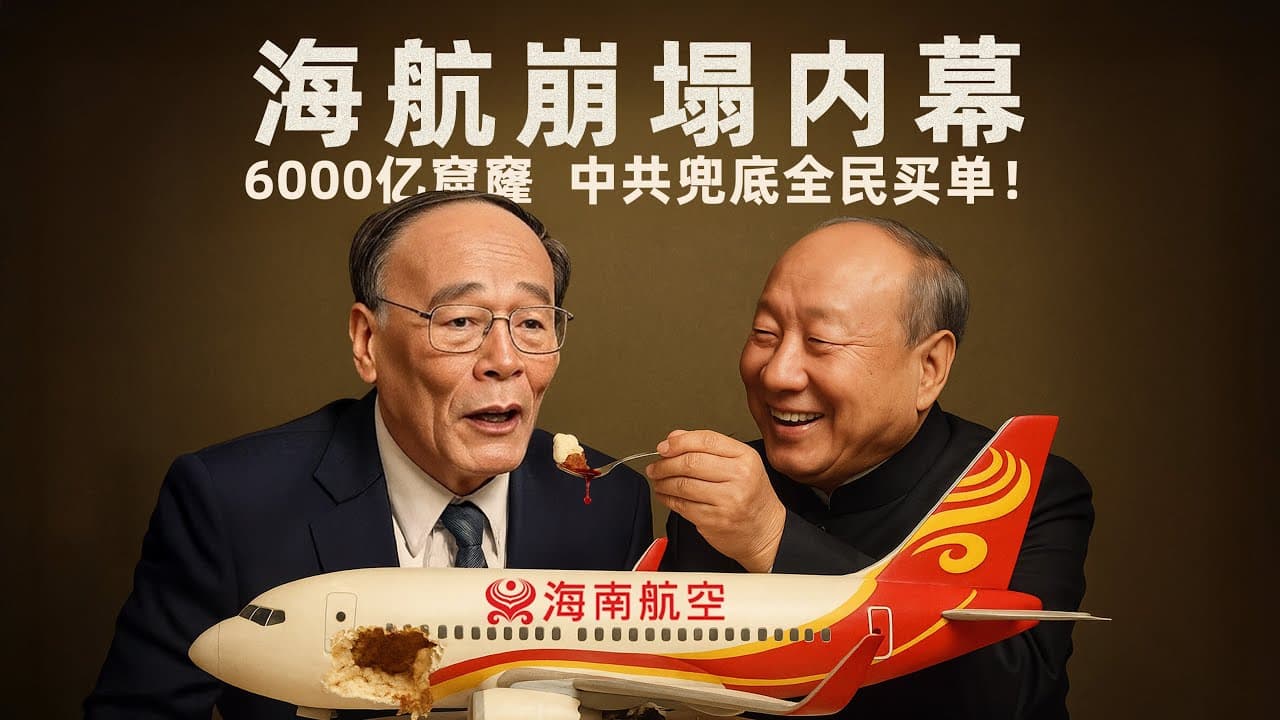
HNA Group's downfall was driven by aggressive expansion, high leverage, and internal corruption. Founder Chen Feng used loans and political connections to fuel rapid growth, but unsustainable financial practices led to a massive debt crisis. The Chinese government intervened, leading to a restructuring that exposed widespread corporate governance issues and resulted in Chen Feng's imprisonment.
Transcript
On July 17, 2025, a 72-year-old Chen Feng, founder of HNA Group, listened with a desolate look on his face as the verdict was read. The once-mighty business tycoon was charged with breach of trust and harming a listed company, loan fraud, and embezzlement, and was sentenced on multiple counts. He received 12 years in prison, a fine of 221 million y... Read More
Key Insights
- Chen Feng was instrumental in HNA's rise, using political connections and financial acumen to grow the company from a small airline into a global conglomerate.
- HNA's rapid expansion was fueled by high leverage and aggressive acquisitions, creating a massive debt burden.
- The group's financial practices included questionable loans and internal corruption, with executives and their families benefiting from hidden transactions.
- HNA's debt crisis was exacerbated by regulatory crackdowns and revelations of political connections, leading to a loss of market confidence.
- The COVID-19 pandemic severely impacted HNA's core aviation business, further straining its financial stability.
- Government intervention led to a complex restructuring process, involving asset sales and the transfer of control to state-owned enterprises.
- The restructuring exposed the extent of HNA's liabilities, revealing a negative net worth and widespread financial mismanagement.
- Chen Feng and other executives faced legal consequences, with Chen receiving a 12-year prison sentence for financial crimes.
Install to Summarize YouTube Videos and Get Transcripts
Explore YouTube Video Summarizer or Get YouTube Transcript Extractor
Questions & Answers
Q: How did HNA Group achieve rapid growth?
HNA Group's rapid growth was achieved through aggressive acquisitions and leveraging high levels of debt. Founder Chen Feng utilized political connections and financial strategies to expand the company from a small airline into a global conglomerate. This expansion was fueled by loans and public crowdfunding, allowing HNA to acquire numerous companies domestically and internationally.
Q: What caused HNA Group's financial downfall?
HNA Group's financial downfall was caused by its unsustainable growth strategy, which relied heavily on high leverage and aggressive acquisitions. The company's financial practices included questionable loans and internal corruption, leading to a massive debt burden. Regulatory crackdowns and the COVID-19 pandemic further strained HNA's finances, resulting in a liquidity crisis and eventual bankruptcy.
Q: How did government intervention impact HNA Group?
Government intervention in HNA Group's crisis led to a comprehensive restructuring process. The Chinese government facilitated asset sales and transferred control of key business segments to state-owned enterprises. This intervention exposed the extent of HNA's liabilities and governance issues, ultimately leading to the removal of founder Chen Feng and other executives, who faced legal consequences for financial misconduct.
Q: What legal actions were taken against HNA Group's executives?
Legal actions against HNA Group's executives included the arrest and imprisonment of founder Chen Feng and other key figures. Chen Feng was sentenced to 12 years in prison for financial crimes, including breach of trust and embezzlement. The restructuring process revealed extensive internal corruption and financial mismanagement, prompting legal scrutiny and accountability for those involved.
Q: How did the COVID-19 pandemic affect HNA Group?
The COVID-19 pandemic had a severe impact on HNA Group, particularly its core aviation business. The global halt in air travel led to a drastic decline in revenue, exacerbating the company's existing financial difficulties. HNA's model of using aviation cash flow to support other industries failed, contributing to its liquidity crisis and need for government-led restructuring.
Q: What were the outcomes of HNA Group's restructuring?
HNA Group's restructuring resulted in the sale of assets and the transfer of control to state-owned enterprises. The process exposed the company's negative net worth and complex liabilities, highlighting governance issues. While the restructuring aimed to stabilize HNA's operations, it also led to significant changes in leadership and legal consequences for those responsible for the financial mismanagement.
Q: What role did political connections play in HNA Group's operations?
Political connections played a significant role in HNA Group's operations, facilitating its rapid expansion and access to financial resources. Founder Chen Feng leveraged relationships with political figures to secure loans and government support. However, these connections also attracted regulatory scrutiny and public suspicion, contributing to the company's downfall amid accusations of corruption and political collusion.
Q: How did HNA Group's financial practices contribute to its collapse?
HNA Group's financial practices, including high leverage and aggressive acquisitions, contributed to its collapse by creating a massive debt burden. The company's reliance on loans and public crowdfunding, coupled with internal corruption and hidden transactions, led to unsustainable financial practices. Regulatory crackdowns and external economic pressures further destabilized HNA, culminating in its bankruptcy and restructuring.
Summary & Key Takeaways
-
HNA Group's collapse was due to aggressive expansion and financial mismanagement. Founder Chen Feng leveraged political connections and loans to grow the company, but high leverage and internal corruption led to a massive debt crisis. The Chinese government intervened, restructuring HNA and exposing governance issues.
-
The company's rapid expansion involved questionable financial practices, including loans and hidden transactions benefiting executives. Regulatory crackdowns and the COVID-19 pandemic worsened HNA's financial woes, leading to a loss of market confidence and a liquidity crisis.
-
Government-led restructuring revealed HNA's negative net worth and complex liabilities. Assets were sold, and control was transferred to state-owned enterprises. Chen Feng and other executives faced legal action, with Chen sentenced to 12 years in prison for financial crimes.
Read in Other Languages (beta)
Share This Summary 📚
Summarize YouTube Videos and Get Video Transcripts with 1-Click
Try YouTube Summary with ChatGPT & Claude or YouTube Transcript Generator
Explore More Summaries from 王志安 📚




Summarize YouTube Videos and Get Video Transcripts with 1-Click
Try YouTube Summary with ChatGPT & Claude or YouTube Transcript Generator