How to Transfer Holograms Onto Chocolate Successfully?
TL;DR
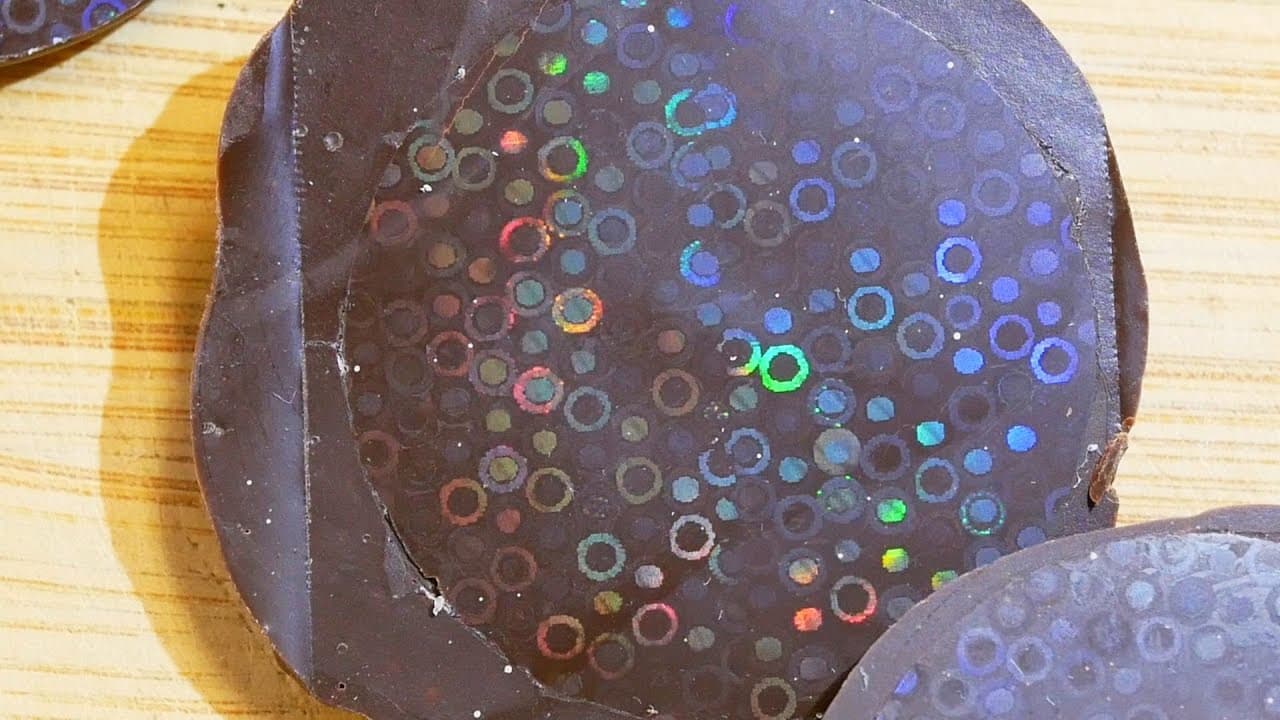
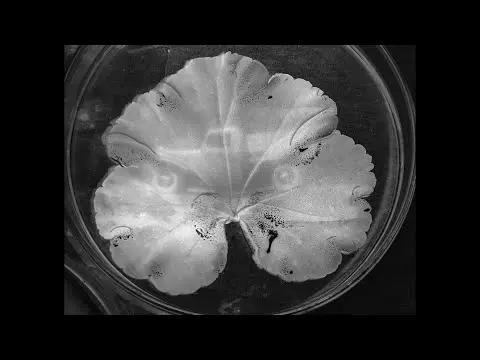
To transfer holograms onto chocolate, use foil embossed holograms and apply a sodium hydroxide solution to dissolve excess layers, leaving only the embossed pattern. For larger designs, create a silicone mold to ensure a perfect fill, and consider making a metal stamping die for durable hologram applications.
Transcript
today on applied science i'm going to show you how to transfer holographic images onto chocolate in a diy process check this out there's now keep in mind there's no printing or ink or plastic or anything on top of the chocolate it's just pure 100 chocolate that's been shaped into a pattern that reflects light in this way and so not only can we do 2... Read More
Key Insights
- 💝 Foil embossed holograms with surface texture work best for transferring holographic images onto chocolate.
- 🍃 Sodium hydroxide is used to dissolve unwanted layers, leaving only the embossed pattern on the hologram.
- 💝 For larger holograms, a silicone mold is made to ensure the chocolate fully fills the diffraction grating.
- 👻 A metal master stamping die can be created for larger holograms, allowing for stamping holograms onto plastic.
- 😉 The holographic images on chocolate can be created using DIY methods without the need for printing or ink.
- 💝 The DIY process provides flexibility in creating both 2D and 3D holographic images on chocolate.
- 💝 Different temperatures and proper tempering of chocolate are crucial for achieving the desired results.
Install to Summarize YouTube Videos and Get Transcripts
Explore YouTube Video Summarizer or Get YouTube Transcript Extractor
Questions & Answers
Q: How do you choose the hologram for transferring images onto chocolate?
The hologram should be a foil embossed hologram, preferably a deeply embossed and inexpensive one. Photopolymer holograms and holograms without surface texture will not work.
Q: What is the purpose of attaching the hologram to a plastic base?
Attaching the hologram to a plastic base makes it easier to handle and prevents the hologram from tearing apart during the molding process.
Q: Why is sodium hydroxide used in the DIY process?
Sodium hydroxide is used to dissolve unwanted layers, such as the aluminum foil and adhesive backing, leaving only the embossed pattern on the hologram.
Q: How is a metal master stamping die created for larger holograms?
A hologram coated in silver using a silver mirror technique is further thickened with an electrochemical process and then attached to a brass plate to create a hot stamping die.
Summary & Key Takeaways
-
The video demonstrates a DIY method to copy holograms onto chocolate using foil embossed holograms and a chemical bath to dissolve away unwanted layers.
-
The process involves attaching the hologram to a plastic base, applying sodium hydroxide to remove excess layers, rinsing and drying the hologram, and pouring chocolate into the mold.
-
For larger holograms, a mold made from silicone is used, and a metal master stamping die can be created for stamping holograms onto plastic.
Read in Other Languages (beta)
Share This Summary 📚
Summarize YouTube Videos and Get Video Transcripts with 1-Click
Try YouTube Summary with ChatGPT & Claude or YouTube Transcript Generator
Explore More Summaries from Applied Science 📚
Summarize YouTube Videos and Get Video Transcripts with 1-Click
Try YouTube Summary with ChatGPT & Claude or YouTube Transcript Generator