How to survive AI driven search changes for brands
TL;DR
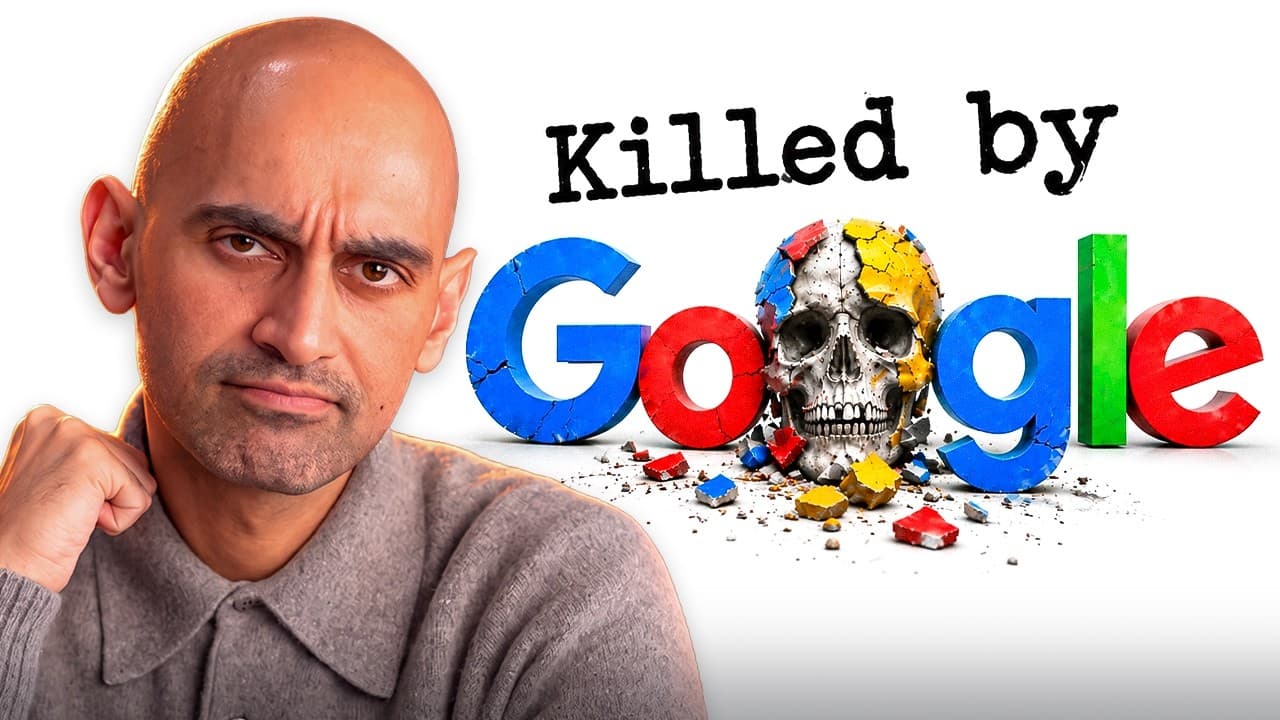
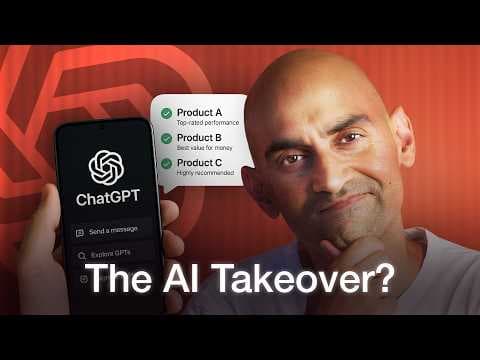
The answer is to diversify away from Google dependent traffic and build four assets the AI cannot absorb: a brand people search for by name, original data, direct customer relationships, and multiple channels. The new AI driven search uses fan out, passage retrieval, synthesis, and personalization, which means top rankings may lose clicks. Measure real discovery sources and adapt quickly.
Transcript
For 25 years, Google made [music] one promise to the internet. Create something useful and we'll help people find it. That handshake built the bloggers, the publishers, the e-commerce brands, an entire generation of internet entrepreneurs. And it's being broken. Our data MPE Digital shows organic click-through rates collapsing [music] by as much as... Read More
Key Insights
- Google is shifting from ranking based traffic to AI generated answers, changing the value of traditional SEO
- The four step process used by Google to answer queries is fan out, passage retrieval, synthesis, and personalization
- Top ranking pages can lose more than half of their clicks even when rankings stay the same
- AI driven summaries can reduce click through rates for informational queries by large margins
- Brand presence remains valuable because people search for brands by name, which AI cannot fully replace
- Original data and proprietary research act as a moat that AI cannot easily replicate
- Direct relationships like email lists and customer databases protect revenue when traffic declines
- Multiple channels prevent over reliance on a single platform and preserve demand across the ecosystem
- More videos from this channel:
- More from this channel: Neil Patel
Install to Summarize YouTube Videos and Get Transcripts
Explore YouTube Video Summarizer or Get YouTube Transcript Extractor
Questions & Answers
Q: A real search query question about the video (How to or What is). How can a brand protect traffic as AI answers proliferate
To protect traffic as AI answers proliferate, brands should build four assets that AI cannot absorb: a brand name people search for, original data that is fresh and trusted, direct relationships with customers, and presence across multiple channels. The strategy shifts away from relying solely on Google traffic toward owning the customer journey and data. Additionally, audit where customers first hear about the brand, and use that insight to optimize multi channel touchpoints and engagement.
Q: What is the four step machine Google uses to answer searches without sending users to sites
The four step machine consists of fan out, where one query splits into subqueries; passage retrieval, where the most useful paragraph from each site is pulled; synthesis, which combines multiple sources into a single AI generated answer; and personalization, which tailors the response to the individual user. This process allows Google to answer queries directly and absorb value from content without driving traffic to publishers.
Q: Why does ranking number one not guarantee traffic anymore
Ranking number one does not guarantee traffic because AI driven summaries and overviews appear at the top, possibly reducing clicks by a large percentage. Even top ranking pages can see significant drops in click through when an AI answer is shown, as user behavior shifts towards quick AI responses rather than visiting the publisher’s site.
Q: What assets can AI not absorb according to the video
AI cannot absorb brand name queries, original data and proprietary research, direct relationships with customers, and multi channel demand. These assets create a durable moat because they exist outside theAI generated answer and are not easily replicated by machine learning systems, ensuring continued value even as search evolves.
Q: What should a brand do at checkout to measure new discovery sources
At checkout, implement a question asking where the customer first heard about the brand. This simple probe provides real data on discovery sources, revealing gaps between what dashboards show and actual customer origins. Use this insight to diversify channels and strengthen multi channel customer acquisition.
Q: How does the new AI search affect the role of dashboards
Dashboards that track visibility may show healthy rankings while actual traffic declines. The AI search model changes how value is captured, so dashboards must be augmented with first touch data, media mix analysis, and channel attribution to understand where buyers truly come from and where to invest next.
Q: What does the term change imply for marketers
A term change implies a structural shift in how search engines deliver information. It indicates that the traffic side of the exchange is being rewritten, making it essential for marketers to diversify beyond Google, invest in brand, data, direct relationships, and multi channel demand, and adapt strategies to the new AI driven landscape.
Q: What are practical steps to begin diversifying today
Practical steps include auditing brand visibility in AI answers, using tools to assess how often the brand is cited in AI generated results, building original data assets through proprietary research, growing email lists and communities for direct reach, and expanding into multiple channels such as social, email, and offline touchpoints to reduce reliance on a single traffic source.
Summary & Key Takeaways
-
A brand should reduce reliance on Google traffic by building name recognition, proprietary data, direct relationships, and multi channel presence, as these assets resist AI absorption and maintain customer connections.
-
The video explains a four step AI process that turns content into an AI generated answer, reducing the value of traditional page based ranking and clicks while increasing the importance of brand and direct channels.
-
The guidance emphasizes measuring where customers first hear about a brand, recognizing that Google accounts for most visibility but is not the main first touch for many buyers, and recommends practical steps to adapt strategy accordingly.
Read in Other Languages (beta)
Share This Summary 📚
Summarize YouTube Videos and Get Video Transcripts with 1-Click
Try YouTube Summary with ChatGPT & Claude or YouTube Transcript Generator
Explore More Summaries from Neil Patel 📚
Summarize YouTube Videos and Get Video Transcripts with 1-Click
Try YouTube Summary with ChatGPT & Claude or YouTube Transcript Generator