How to Use Light Therapy for Seasonal Depression
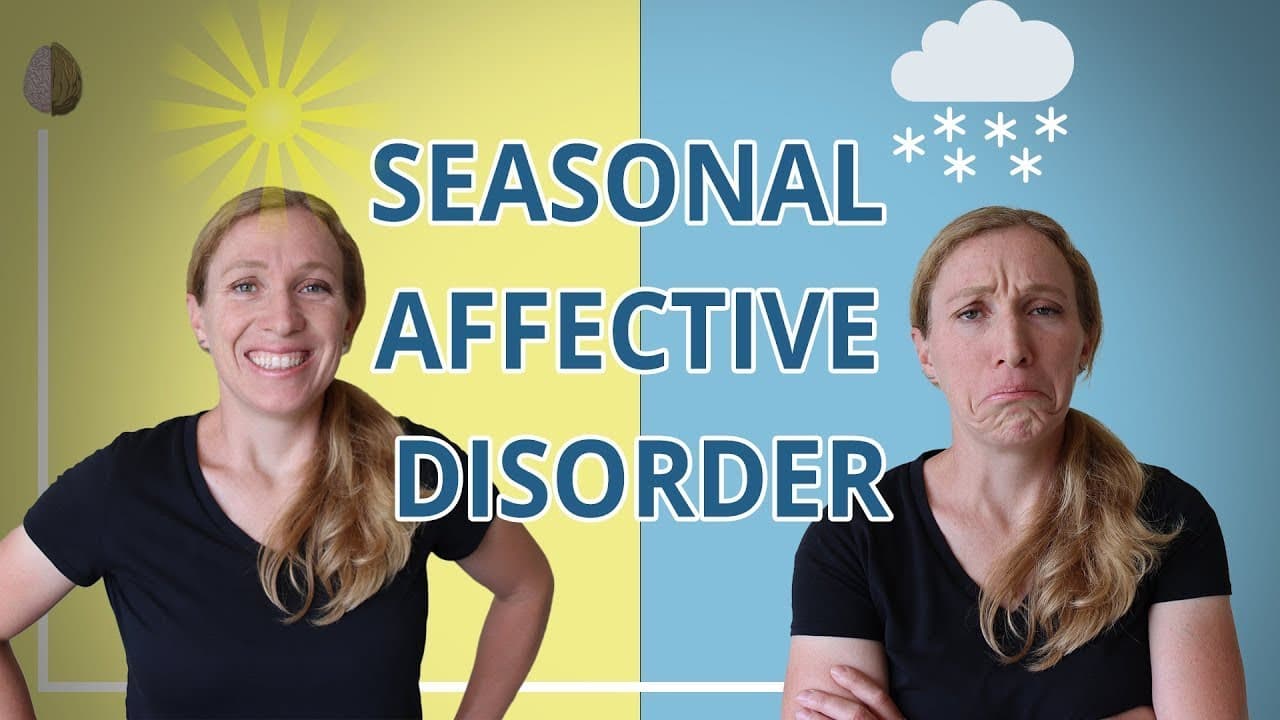
TL;DR
Bright light therapy can reduce seasonal depression by using artificial light to mimic sunlight, supporting mood, energy, and sleep. Choose a high-quality lamp that delivers 10,000 lux at a comfortable distance and can be positioned above the eyes. Because excessive energy may occur, adjust the duration and seek professional support when symptoms include agitation, mania, or suicidal risk.
Transcript
Happy winter solstice everyone. Today it's below freezing, but I still wanted to come outside, because you just gotta get outside in the winter. In the northern hemisphere, December 21st is the darkest day of the year. The sun shines for the least amount of time, and the night is the longest, and every day, from here on out, is going to have abou... Read More
Key Insights
- Seasonal affective disorder is a type of depression associated with changes in the seasons. Winter symptoms often begin during fall, persist through winter, and include low energy, moodiness, lost interest, fatigue, sleep difficulties, hopelessness, weight gain, appetite changes, and cravings for high-carbohydrate foods.
- Seasonal mood problems are more prominent closer to the poles because daylight varies more dramatically across the seasons. People who work indoors may receive little direct sunlight during short winter days, especially when their commute begins before sunrise and ends after sunset.
- Spring seasonal affective disorder is an overlooked pattern that can involve depression, trouble sleeping, weight loss, agitation, anxiety, and unusually high energy. People with bipolar disorder may experience depression during fall and winter, followed by manic symptoms as daylight and energy increase in spring or summer.
- The winter-to-spring transition can be a vulnerable period because low mood may be followed by increased energy and agitation. The transcript states that suicide rates are highest around this transition, making abrupt seasonal changes in mood, activation, and behavior important warning signs to recognize.
- Seasonal symptoms may reflect drives that once supported survival during cold and scarce winters. Oversleeping, eating more, gaining weight, and conserving energy could have helped ancestors endure winter, while spring energy and agitation could have supported renewed physical work and food production.
- Bright light therapy works by using artificial light to mimic sunlight and affect brain and body processes involving serotonin and melatonin. According to the transcript, it can support easier sleep at night while helping people feel happier and more energetic during the day.
- Light therapy is supported by research described in the transcript as consistently effective for seasonal affective disorder. It is also described as being as effective as antidepressants for non-seasonal depression, relatively inexpensive, and commonly not covered by insurance.
- A therapy lamp should provide 10,000 lux at a comfortable distance and allow positioning above the eyes. Treatment duration may need adjustment because the speaker experienced excessive energy after about two weeks, paused for several days, and later settled on approximately ten minutes daily.
Install to Summarize YouTube Videos and Get Transcripts
Explore YouTube Video Summarizer or Get YouTube Transcript Extractor
Questions & Answers
Q: What is seasonal affective disorder?
Seasonal affective disorder is a type of depression connected with changes in the seasons, sometimes called the winter blues. Symptoms commonly start during fall and continue through winter, although their cumulative impact may not become obvious until midwinter. Typical effects include lower energy, moodiness, lost interest in enjoyable activities, fatigue, sleep problems, hopelessness, weight gain, appetite changes, and cravings for high-carbohydrate foods.
Q: How does winter affect mood and energy?
Winter can lower mood and energy when reduced daylight changes processes involving serotonin and melatonin. The effect may be stronger in places closer to the poles, where seasonal daylight differences are more dramatic. Indoor workers can be especially affected because short days may prevent them from seeing sunlight before or after work. The transcript also reports that 85 percent of people with mood disorders in one study said their symptoms worsened during winter.
Q: Can seasonal affective disorder happen in spring or summer?
Seasonal affective disorder can also affect people during spring and summer. The pattern may include depression, trouble sleeping, weight loss, agitation, anxiety, and much higher energy that can appear almost manic. It is particularly relevant to bipolar disorder, where fall and winter may bring depression while spring and summer may trigger mania, irritability, impatience, recklessness, or feelings of invincibility.
Q: Why can the transition from winter to spring be risky?
The transition from winter to spring may combine a period of very low mood with a later increase in energy and agitation. The transcript states that suicide rates are highest around this seasonal transition and compares the pattern with what can happen when people begin antidepressants. Increased activation does not necessarily mean depression has resolved, particularly when agitation, impulsivity, or manic symptoms appear.
Q: How does bright light therapy help seasonal depression?
Bright light therapy uses artificial light to mimic sunlight and influence brain and body processes involving serotonin and melatonin. According to the transcript, it can help people fall asleep more easily at night and feel happier and more energized during the day. The treatment is described as consistently effective for seasonal affective disorder and as effective as antidepressants in treating non-seasonal depression.
Q: What should you look for in a light therapy lamp?
A light therapy lamp should be a high-quality device that provides 10,000 lux at a comfortable distance. It should also permit the light to be positioned at an angle above the eyes. Comfortable delivery matters because the stated brightness must be achieved where the user actually sits, rather than only at an impractically close distance. The transcript recommends Carex lamps but says purchasing that brand is unnecessary.
Q: How long should a light therapy session last?
The transcript does not prescribe one universal session length. The speaker initially used light therapy for longer periods, felt somewhat too energetic after about two weeks, took several days off, and reduced the daily duration. The speaker later used approximately ten minutes each day and continued to notice a difference. This experience suggests that duration may need adjustment based on changes in mood and energy.
Q: Can light therapy cause excessive energy or manic symptoms?
Light exposure can coincide with excessive energy, agitation, irritability, impatience, recklessness, and feelings of invincibility, especially in seasonal patterns involving bipolar disorder. The speaker also personally reported feeling too energetic after about two weeks of light therapy and reduced the treatment duration. These examples make significant activation important to notice rather than automatically interpreting increased energy as uncomplicated recovery.
Summary & Key Takeaways
-
Seasonal affective disorder is a form of depression associated with seasonal changes. Winter symptoms may include low energy, moodiness, lost interest, sluggishness, sleep problems, hopelessness, weight gain, appetite changes, and cravings for high-carbohydrate foods. Symptoms often begin in fall and continue through winter, with cumulative effects becoming noticeable during midwinter.
-
Seasonal mood changes can also emerge in spring and summer. Some people experience depression, insomnia, weight loss, anxiety, agitation, or unusually high energy. These patterns are especially relevant to bipolar disorder, in which winter may bring depression while increasing spring sunlight may coincide with manic symptoms, irritability, recklessness, or feelings of invincibility.
-
Bright light therapy uses artificial light to imitate sunlight and influence processes involving serotonin and melatonin. Research presented in the transcript describes it as consistently effective for seasonal affective disorder and as effective as antidepressants for non-seasonal depression. A suitable lamp should provide 10,000 lux at a comfortable distance and sit above eye level.
Read in Other Languages (beta)
Share This Summary 📚
Summarize YouTube Videos and Get Video Transcripts with 1-Click
Try YouTube Summary with ChatGPT & Claude or YouTube Transcript Generator
Explore More Summaries from Therapy in a Nutshell 📚

Summarize YouTube Videos and Get Video Transcripts with 1-Click
Try YouTube Summary with ChatGPT & Claude or YouTube Transcript Generator