What fuels optimism after terminal cancer and fame

TL;DR
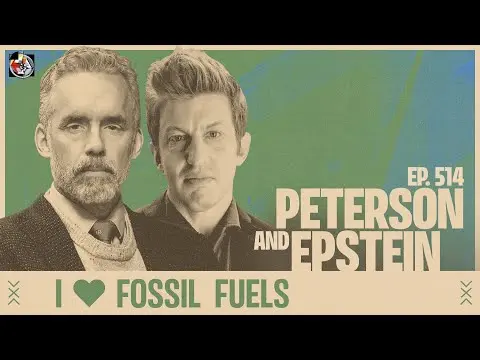
Adams believes that aiming high activates imagination and action, even with a terminal cancer diagnosis, while Peterson explores how belief systems, envy, and fairness shape politics and culture. The conversation covers personal resilience, the role of narrative, and how hyperconnectivity reshapes societal debates. It emphasizes personal agency and the tension between ideals and reality.
Transcript
Some of your viewers know that I have terminal cancer, prostate cancer that's metastasized. And once I'm metastasized, you don't have the options of curing it like you would if it was localized. So part of my system is to be open to all the possibilities. But the other is the belief that nothing's impossible. The spirit of your aim answers your pra... Read More
Key Insights
- Adams frames aim setting as a navigator toward a chosen destination, guiding thoughts and actions.
- Belief in possibility can orient cognitive processes to pursue challenging outcomes despite serious illness.
- Hyperconnectivity amplifies both rapid idea spread and moral signaling, complicating discourse.
- Malicious envy plays a significant role in political attitudes, sometimes more than compassion or fairness.
- People often sanctify corruption when they claim moral virtue, which distorts public discourse.
- Fear of loss and protection of assets can shift individuals toward protective or adversarial postures.
- Simulation theory features as a metaphor for how people perceive and steer reality through intention.
- Cultural zeitgeist includes debates over identity, sports, and policy, reflecting broader societal tensions.
- More videos from this channel:
- More from this channel: Jordan B Peterson
Install to Summarize YouTube Videos and Get Transcripts
Explore YouTube Video Summarizer or Get YouTube Transcript Extractor
Questions & Answers
Q: How does Scott Adams describe using aims to direct reality when facing illness
Adams says that once an aim is set, imagination and cognitive systems orient themselves to serve that aim, making it possible to navigate toward a desired outcome even when options like curing a metastasized cancer are limited. This perspective frames hope as a cognitive tool that guides action and resilience, rather than a passive hope.
Q: What role does belief in possibility play in the conversation
The participants discuss believing nothing is impossible as a driver of action. This mindset is presented as fueling creativity, persistence, and the willingness to explore unconventional paths, which can help one cope with severe illness and pursue ambitious projects despite daunting odds.
Q: How is envy discussed as a political and cultural force
Malicious envy is identified as a powerful predictor of attitudes toward income redistribution, sometimes more influential than fairness or compassion. The dialogue suggests envy can motivate political positions and moralizing narratives, shaping debates around wealth and policy even when expressed as virtue signaling.
Q: What concerns are raised about hyperconnectivity and modern discourse
The speakers note that rapid idea spread and heightened moral signaling can distort discourse, making it easier to evangelize opinions online and harder to engage in nuanced discussion. This dynamic can contribute to polarization and the erosion of shared grounding in public conversations.
Q: How do the guests view the use of moral virtue in politics
They argue that people frequently sanctify corrupt actions by claiming moral virtue, which misleads others and sanctifies unethical behavior. This critique highlights a pattern where virtue signaling masks self-interest or manipulation, complicating ethical judgments in public life.
Q: What does the term simulation refer to in the discussion
Simulation is used as a metaphor for how individuals steer their lives by imagining desired outcomes and aligning their actions accordingly. It suggests a cognitive practice where belief and intention function like navigational knobs shaping real-world trajectories.
Q: What topics are connected to culture and identity in the dialogue
The conversation touches on American culture, postures toward gender and sports, and broader debates about identity and policy. These topics illustrate how personal experiences and public narratives intersect in shaping collective attitudes and political alignment.
Q: How do Adams and Peterson describe the personal toll of public life
Both speakers acknowledge trauma, resilience, and the search for meaning in an absurd world. They discuss balancing career success with existential challenges, and how affirmations, skepticism, and purposeful storytelling contribute to a durable sense of purpose in the face of adversity.
Summary & Key Takeaways
-
Adams discusses facing terminal cancer with an open mindset and a belief that nothing is impossible, using aim setting to direct imagination and cognitive systems.
-
The interview delves into how motivation, envy, fairness, and moral posturing influence political and cultural dynamics in the modern era.
-
Peterson and Adams explore the impact of media, technology, and dopamine of public virtue signaling on societal polarization.
Read in Other Languages (beta)
Share This Summary 📚
Summarize YouTube Videos and Get Video Transcripts with 1-Click
Try YouTube Summary with ChatGPT & Claude or YouTube Transcript Generator
Explore More Summaries from Jordan B Peterson 📚

Summarize YouTube Videos and Get Video Transcripts with 1-Click
Try YouTube Summary with ChatGPT & Claude or YouTube Transcript Generator