What drives Ukraine's fight over NATO, Russia, and Taiwan
TL;DR
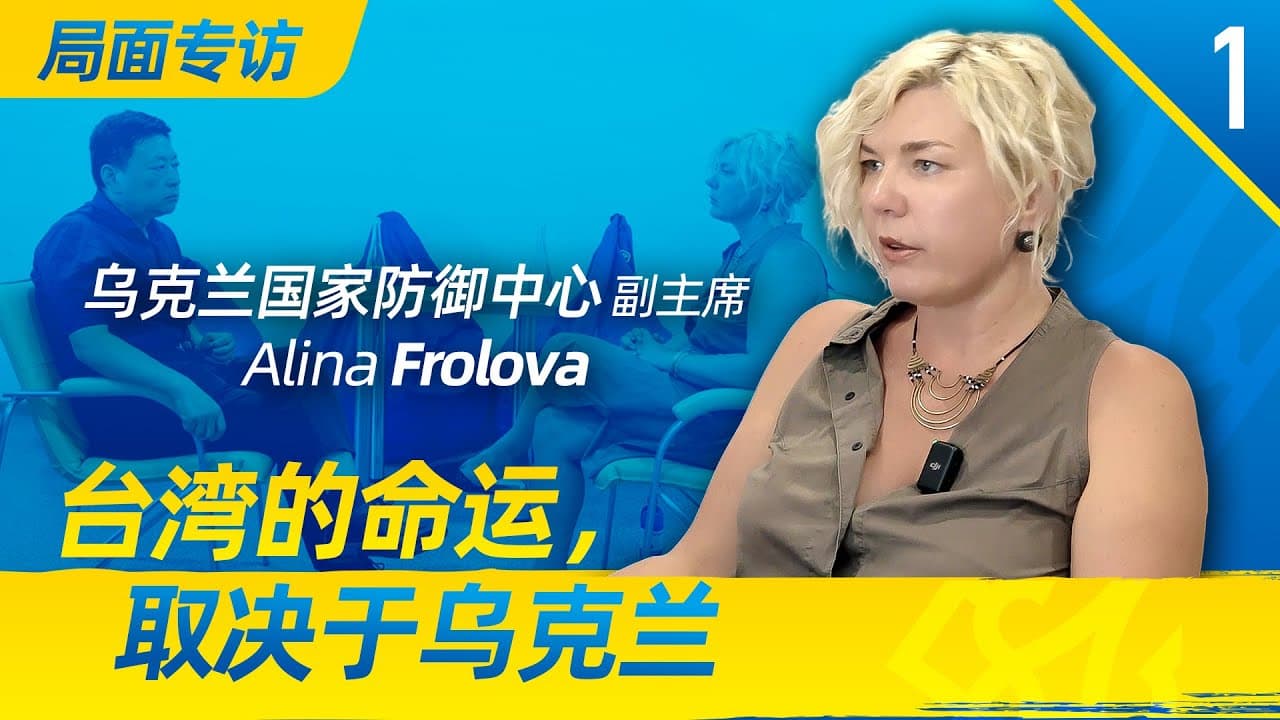
NATO is presented as defensive and not a threat to neighbors. Ukraine seeks EU and NATO membership as stated in its constitution, while Russia is portrayed as pursuing imperialism and territorial expansion. Ukraine aims to restore territorial integrity including Crimea, hold war criminals accountable, and secure reparations, with China remaining neutral and the war's outcome potentially shaping Taiwan policy.
Transcript
When starting this war, Russia claimed that it was because Ukraine wanted to join NATO. And to Russia, therefore, such an attempt poses a great threat. Legitimacy of this issue aside, NATO, first of all, is an organisation of defensive nature. By becoming a member of NATO, Ukraine would by no means be a threat to our neighbouring countries. Second,... Read More
Key Insights
- NATO is described as defensive, with no treaty that Ukraine signed; Russia has no basis for invading Ukraine based on NATO membership intentions.
- Ukraine aims for EU and NATO membership as a constitutional goal, while Russia perceives Ukraine's Western shift as provocation.
- Russia is characterized as pursuing empire and population manipulation; its wars in Chechnya, Georgia, and Moldova are cited as examples of imperialism and corruption.
- The defender role of NATO is emphasized, with UN authorization cited for NATO operations, distinguishing it from invasion.
- Ukraine believes a peace treaty with Russia would be a temporary pause that allows Russia to rebuild and attack again, hence rejection of concessions.
- Ukraine dwells on Crimea and Donbas as essential to its territorial ambitions, arguing for mainland liberation first and then sequentially reclaiming Crimea.
- The International Court of Justice is presented as capable of accountability before Russia's defeat, supported by evidence collection and international concern.
- China’s neutrality is noted, with a belief that Ukraine’s victory could influence China’s approach to Taiwan and broader international relations.
- More videos from this channel:
- More from this channel: 王志安
Install to Summarize YouTube Videos and Get Transcripts
Explore YouTube Video Summarizer or Get YouTube Transcript Extractor
Questions & Answers
Q: How does NATO's role relate to Ukraine's security according to the interview
NATO is described as a defensive alliance whose purpose is to protect member states rather than invade other countries. The interview asserts that Ukraine joining NATO would not threaten neighbors, and it stresses that NATO operations are for maintaining world peace and are sometimes authorized by the UN. This framing emphasizes defense over aggression and positions NATO membership as a national goal for Ukraine.
Q: Why does Russia invade Ukraine according to the interview
The interview claims that Russia pursues territorial expansion and uses wars to exploit occupied lands for its own economic and industrial gain. It states that Russia is corrupted and imperialistic, uses conflict to subdue neighboring populations, and has a history of aggression in Chechnya, Georgia, and Moldova as proof of this pattern. This frames the invasion as driven by ambition rather than security concerns.
Q: What are Ukraine’s stated goals for ending the conflict
Ukraine seeks restoration of its territorial integrity including Crimea, accountability for war crimes by Russian leaders, and reparations for losses suffered due to the invasion. It envisions a staged process beginning with mainland liberation, followed by reclaiming Crimea, and using international law and asset seizure to secure compensation.
Q: What is the interview’s view on peace with Russia
The interview argues that signing a peace treaty would be a pause that allows Russia to rebuild military strength and resume aggression later. It notes that a large portion of Ukrainians distrust concessions, citing past Minsk agreements as ineffective, and emphasizes that Ukraine should not concede Crimea or allow a prolonged stalemate.
Q: How does the interview describe Ukraine’s population and military balance with Russia
It states Ukraine has a population of about 35 million and claims Ukrainian ground forces are well matched or even superior to Russian counterparts at the tactical level in certain areas, provided it receives sufficient weapons and support. It also notes Russian forces are hindered by outdated equipment and morale issues.
Q: What role does the International Court of Justice play according to the interview
The interview suggests the ICJ can hold war criminals accountable even before Russia is defeated, stressing that convincing evidence and sound investigations could garner international support for verdicts. It highlights ongoing investigations and the hope that ruling against Russia would set a precedent to deter similar aggression.
Q: What is said about China’s position in the conflict
China is described as maintaining neutrality while providing some technical assistance to Russia. The interview suggests that China’s neutral stance may still influence negotiations with the US and that the outcome of the Ukraine conflict could shape China’s future policy toward Taiwan.
Q: How could the war’s outcome affect Taiwan, according to the interview
The interview posits that after Ukraine achieves victory, a new system of international relations should be considered, which could influence how China handles Taiwan. It implies that Ukraine’s success could set a precedent affecting regional security and future approaches to Taiwan by major powers.
Summary & Key Takeaways
-
Ukraine argues NATO is defensive and not an invasion plan, and that Russia pursues expansion and imperialism, using war to suppress Ukraine.
-
Ukraine seeks to restore territorial integrity including Crimea, prosecute war criminals, and obtain reparations, while pursuing stages of liberation and asset recovery.
-
China remains neutral but the Ukraine view suggests the war outcome will influence future regional security, including Taiwan policy and international norms.
Read in Other Languages (beta)
Share This Summary 📚
Summarize YouTube Videos and Get Video Transcripts with 1-Click
Try YouTube Summary with ChatGPT & Claude or YouTube Transcript Generator
Explore More Summaries from 王志安 📚
Summarize YouTube Videos and Get Video Transcripts with 1-Click
Try YouTube Summary with ChatGPT & Claude or YouTube Transcript Generator