How Huawei Became a National Strategic Tech Champion
TL;DR
Huawei survived by building its own capability and securing high-level support while leveraging local distribution networks and state-backed financing. The company shifted from a rooftop workshop to a global equipment maker by navigating procurement barriers, forming partnerships, and expanding overseas services, which deepened ties with national authorities and reshaped its strategic role.
Transcript
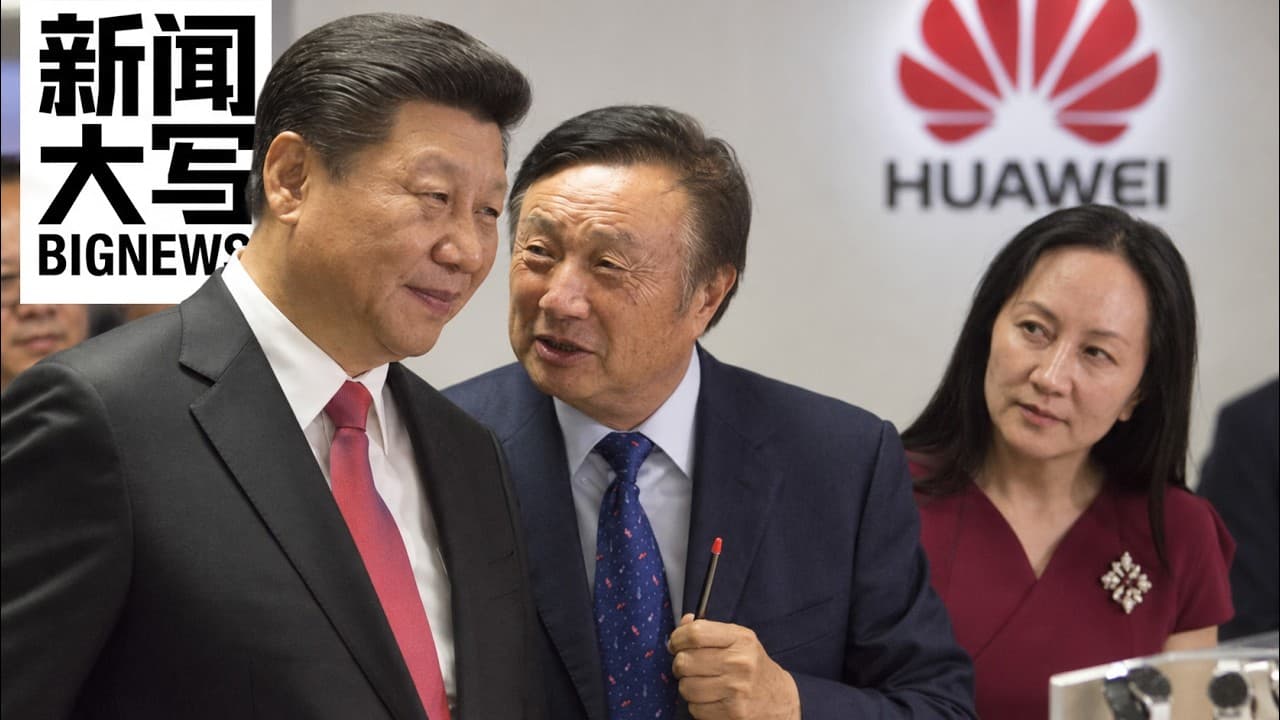
October 2015 Wormwood Street in London's financial district Security barriers stood in the autumn rain sealing off the entire street A car door opened and our great leader, Xi Jinping stepped into Huawei's global financial center in the UK During that highly publicized state visit that marked a thaw in China-UK relations this was the only Chinese c... Read More
Key Insights
- Huawei began as a rooftop workshop and evolved into a national strategic tech player by consolidating ownership under Ren Zhengfei and methodically expanding control over the company.
- The key to Huawei’s early survival was exploiting a pivotal distribution deal with a Hong Kong partner that tied local telecom procurement to Huawei’s devices, creating a revenue stream despite minimal official backing.
- Huawei faced a prohibitive procurement system where ministries favored certain firms, so the firm pursued high level political support and non-traditional financing routes to unlock market access.
- The company implemented a modern management system that combined political mobilization, collective discipline, employee stock plans, and IBM-inspired management, aligning employee interests with corporate survival and long-term engineering effort.
- Huawei’s strategy included integrating into national financial infrastructure, using bank loans and buyer credits to enable overseas customers to procure Chinese equipment, which extended the firm’s reach beyond hardware into network service provision.
- Overseas growth also relied on new service models like network hosting and management, which broadened Huawei’s role from supplier to operator of parts of national networks, deepening geopolitical implications.
- The 2012 leadership transition and Snowden era heightened the importance of cyber security and political connections, reinforcing Huawei’s position as a critical national technology asset.
- The company’s later legal and regulatory challenges, including audits and international litigation, tested the resilience of its governance model and its reliance on state-linked support, shaping its ongoing strategy and risk management.
Install to Summarize YouTube Videos and Get Transcripts
Explore YouTube Video Summarizer or Get YouTube Transcript Extractor
Questions & Answers
Q: How did Huawei shift from a rooftop startup to a privately controlled company under Ren Zhengfei?
Huawei started with a modest rooftop workshop in Shenzhen, where Ren Zhengfei reorganized ownership by buying out initial shareholders and gradually consolidating control. This shift away from a state-linked structure enabled greater strategic flexibility as the company pursued technology development and market expansion. Ren leveraged personal leadership, restructured capital, and sought autonomous growth through targeted investments in core telecom switches, despite external barriers. The move also prepared Huawei to navigate a complex procurement landscape dominated by ministries that favored established players, ultimately helping the company gain independence and scale.
Q: What role did the Hongnian Company play in Huawei’s early market access?
The Hongnian Company acted as a key distributor for Hong Kong, providing Huawei with access to its HAX telephone switches and signaling a pivotal breakthrough in early sales. This arrangement offered Huawei a route into Pearl River Delta markets where formal approvals and official channels could be slow or obstructive. By securing a distribution partnership, Huawei secured first orders and revenue streams that funded further development, allowing the company to demonstrate reliability and growth potential to prospective buyers. The deal illustrated how external partnerships could bypass some procurement bottlenecks.
Q: How did Huawei navigate China’s procurement system in its early years?
Huawei faced a procurement environment where a handful of national champions controlled access, with ministries showing preference for established players. The company responded by developing its own technology and creating non-traditional routes to market, including private financing and partnerships that circumvented the most restrictive official channels. This approach enabled Huawei to win pilot projects and slowly expand, while maintaining a degree of independence from government procurement bottlenecks. The strategy highlighted Huawei’s willingness to innovate around institutional barriers rather than waiting for formal approvals.
Q: What management practices did Huawei adopt to align employees with company goals?
Huawei integrated political mobilization, collective discipline, and employee stock schemes with IBM-inspired management practices to align incentives with long-term goals. This framework helped retain talent and motivate engineers to commit to extensive, high-effort development cycles. At the same time, it tied individual fortunes to company performance, creating a culture of responsibility and shared risk. The governance model supported large-scale engineering projects and a disciplined work environment, contributing to resilience through audits and leadership turnover.
Q: How did buyer credits and network hosting services contribute to Huawei’s overseas growth?
Buyer credits from banks lowered the financial barrier for overseas customers to purchase Chinese equipment, expanding Huawei’s international footprint. Network hosting services enabled Huawei to move beyond pure hardware supply to active participation in running foreign networks, providing ongoing service revenue and deeper customer relationships. This shift increased Huawei’s strategic value to clients and governments by offering end-to-end solutions and long-term financial and operational commitments, which in turn reinforced Huawei’s role as a national technology asset beyond its product catalog.
Q: What geopolitical factors influenced Huawei’s development after 2012?
After 2012, heightened attention to cyber security and national security concerns increased the importance of Huawei as a strategic asset. The company’s political connections and governance model became more consequential as external regulatory pressures and international scrutiny grew. This period saw a tightening of controls, greater emphasis on security-related R&D, and closer alignment with state objectives, shaping Huawei’s international strategies, compliance frameworks, and risk management approaches.
Q: How did legal challenges and audits affect Huawei’s growth trajectory?
Audits, legal actions, and regulatory scrutiny tested Huawei’s governance mechanisms and resilience. These pressures forced changes in internal processes, accountability, and possibly strategic pivots in response to external inquiries and disputes. Despite these challenges, the company continued to invest in core technologies and international expansion, suggesting an adaptive approach that balanced legal/compliance considerations with ongoing innovation and market penetration.
Q: What is the broader takeaway about Huawei’s rise from these sources?
The broader takeaway is that Huawei’s rise was not only about technology but also about a complex interplay of private ownership, strategic government support, and innovative financing and market access strategies. The company navigated procurement barriers, leveraged key partnerships, and expanded into services, which together strengthened its strategic role in national development and global telecommunications, while also facing governance and geopolitical risks that shaped its long-term strategy.
Summary & Key Takeaways
-
Huawei started as a small Shenzhen workshop on a rooftop and gradually built ownership controlled by Ren Zhengfei, moving away from state-sponsored shareholders to private ownership while expanding its tech focus and market reach.
-
Early years faced significant barriers from established foreign players and procurement systems, leading Huawei to pursue alternative financing, local partnerships, and bottom-up sales strategies to gain crucial first orders.
-
Overseas expansion integrated financing, such as buyer credits from banks and network hosting services, enabling Huawei to compete globally and increasing dependence on national-level support and geopolitical considerations.
Read in Other Languages (beta)
Share This Summary 📚
Summarize YouTube Videos and Get Video Transcripts with 1-Click
Try YouTube Summary with ChatGPT & Claude or YouTube Transcript Generator
Explore More Summaries from 王志安 📚



Summarize YouTube Videos and Get Video Transcripts with 1-Click
Try YouTube Summary with ChatGPT & Claude or YouTube Transcript Generator