What Does the Dishonest Manager Parable Mean?
TL;DR
Jesus praises the dishonest manager’s practical shrewdness, urgency, and foresight, not his dishonesty. The discussion interprets the parable as a call to apply intelligence and decisive stewardship to spiritual life, use worldly wealth to help others, and recognize that mercy can create relationships that support a person when material security disappears.
Transcript
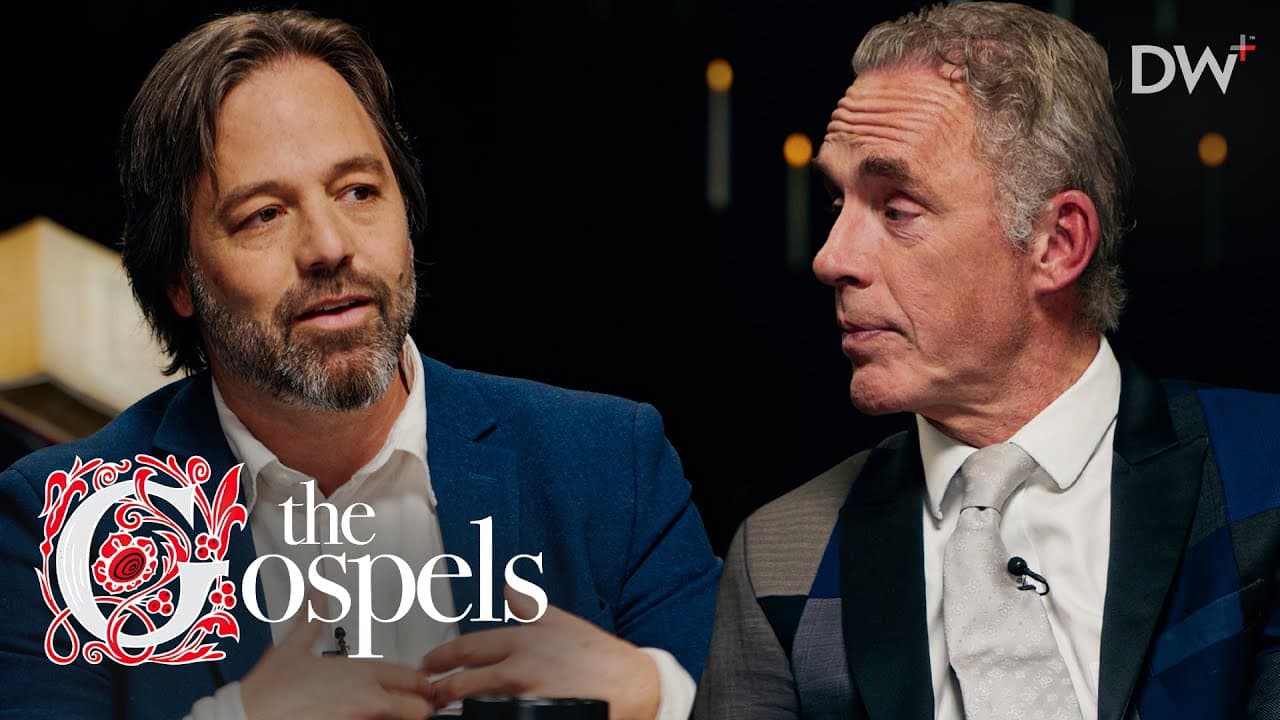
all right so let's move to this Parable this is the dishonest manager this is quite the Rat's Nest of paradoxes this one Luke 16 1-15 Jesus also told this story to his disciples there was a rich man who had a manager to handle his Affairs and a report was brought to him that the man was wasting his money so he called in the manager and said to him ... Read More
Key Insights
- Jesus praises the manager’s shrewdness rather than his dishonesty. The contrast shows that morally flawed people can display foresight, urgency, and practical intelligence that spiritually committed people should study and redirect toward worthy purposes.
- The manager secures his future by reducing the debts owed to his master. His actions benefit the debtors, produce at least some repayment for the master, and create relationships with people who may support or employ him after his dismissal.
- The parable presents worldly wealth as a tool for mercy and good action. Jesus advises using wealth, even though it belongs to an unrighteous material order, to make friends and help others before life ends.
- The manager’s crisis transforms him from an irresponsible steward into an active one. Once dismissal becomes unavoidable, he stops wasting what was entrusted to him, assesses his limitations, forms a plan, and acts decisively with the available resources.
- Spiritual life requires the same urgency that people bring to economic survival. The manager uses his mind cleverly when his livelihood is threatened, suggesting that spiritual concerns deserve equally serious attention, planning, and practical effort.
- Wisdom requires intelligence, although intelligence alone is insufficient. The discussion argues that emotional sincerity and moral intention cannot fully replace cognitive abilities, rational judgment, foresight, and the competence needed to act effectively in the world.
- Mercy can create a supportive human community around the person who extends it. By reducing burdens for others, the manager forms relationships that may receive him later, illustrating how compassionate action can shape the social reality into which someone eventually falls.
- The parable resists a simple moral interpretation because the manager grants reductions on debts belonging to his master. That disturbing feature forces listeners to separate the transferable virtues of cleverness, attention, and urgency from the dishonesty surrounding their use.
Install to Summarize YouTube Videos and Get Transcripts
Explore YouTube Video Summarizer or Get YouTube Transcript Extractor
Questions & Answers
Q: What does the dishonest manager parable mean?
The parable means that Jesus’ followers can learn practical shrewdness, urgency, and foresight even from a dishonest person. The manager realizes that his position is ending, evaluates his limited options, and acts decisively to secure future support. Jesus does not praise the dishonesty itself. He highlights the manager’s intelligent response and calls spiritually committed people to bring comparable seriousness to spiritual life.
Q: Why does the master praise the dishonest manager?
The master praises the manager because his response is practically shrewd. After being told to prepare a final accounting, the manager quickly creates a plan that encourages debtors to repay reduced amounts while making them grateful to him. The praise concerns his cleverness, foresight, and ability to act under pressure, not the dishonesty involved in altering obligations owed to his master.
Q: Does Jesus approve of dishonesty in this parable?
Jesus does not present dishonesty as the lesson to imitate. The discussion emphasizes a contrast between the dishonest manager’s moral flaws and his impressive practical intelligence. Listeners are invited to learn his urgency, foresight, and decisive use of resources without adopting his dishonesty. The troubling combination is deliberate because it separates useful cognitive abilities from the corrupt purpose or circumstances in which they appear.
Q: How does the manager prepare for losing his job?
The manager first recognizes that he lacks the strength to dig and feels ashamed to beg. He then summons his master’s debtors individually and reduces their recorded obligations, including one debt from one hundred measures of olive oil to fifty and another from one hundred measures of wheat to eighty. He expects these favors to make the debtors receive him into their homes afterward.
Q: What does the parable teach about worldly wealth?
The parable teaches that worldly wealth should be used to make friends and do good. The discussion treats material resources as belonging to an unrighteous worldly order, yet still capable of serving mercy and compassionate action. Instead of remaining detached from practical reality, a person should steward available resources purposefully so that their use benefits others and carries significance beyond material security.
Q: How are mercy and forgiveness connected to the parable?
Mercy appears when the manager reduces the burdens carried by his master’s debtors, and those acts create people who may later support him. The participants connect this pattern with forgiveness and the idea of forgiving debtors. However, they also acknowledge a major difficulty: the manager is forgiving debts that belong to his boss, making the relationship between mercy, authority, and dishonesty intentionally perplexing.
Q: Why is urgency important in the dishonest manager parable?
Urgency matters because the manager acts only after he understands that his livelihood is about to disappear. Rather than remaining passive or panicking without direction, he evaluates the crisis and uses his intelligence to form a workable plan. The discussion suggests that people should approach the spiritual order with at least the same attentiveness and determination they display when economic security is threatened.
Q: What does the parable teach about wisdom and intelligence?
The parable suggests that wisdom cannot be reduced to moral feelings or emotional sincerity. Intelligence is described as necessary, though not sufficient, for wisdom because effective action requires cognitive ability, rational judgment, and practical foresight. The manager demonstrates these abilities during his crisis. His example shows that spiritual commitment must include competence and attentive stewardship, while directing those capacities toward morally sound purposes.
Summary & Key Takeaways
-
A rich man dismisses a manager accused of wasting his money and demands a final accounting. Facing unemployment, the manager reduces what several debtors owe his master. His plan is to earn their gratitude so that they will receive him into their homes after he loses his position.
-
The master acknowledges the manager’s practical shrewdness, creating the parable’s central paradox. The discussion argues that Jesus is not endorsing dishonesty. Instead, the dishonest manager demonstrates urgency, foresight, cleverness, and decisive action, qualities that the children of light should apply more seriously to spiritual concerns.
-
The participants connect the parable with mercy, forgiveness, stewardship, intelligence, and practical competence. Their interpretations remain tentative because the manager forgives debts belonging to someone else. Still, they agree that spiritual wisdom requires more than moral feeling. It also requires cognitive ability, attention to reality, and purposeful action under pressure.
Read in Other Languages (beta)
Share This Summary 📚
Summarize YouTube Videos and Get Video Transcripts with 1-Click
Try YouTube Summary with ChatGPT & Claude or YouTube Transcript Generator
Explore More Summaries from Jordan B Peterson 📚



Summarize YouTube Videos and Get Video Transcripts with 1-Click
Try YouTube Summary with ChatGPT & Claude or YouTube Transcript Generator