What makes Trump unfit to be president after January 6?
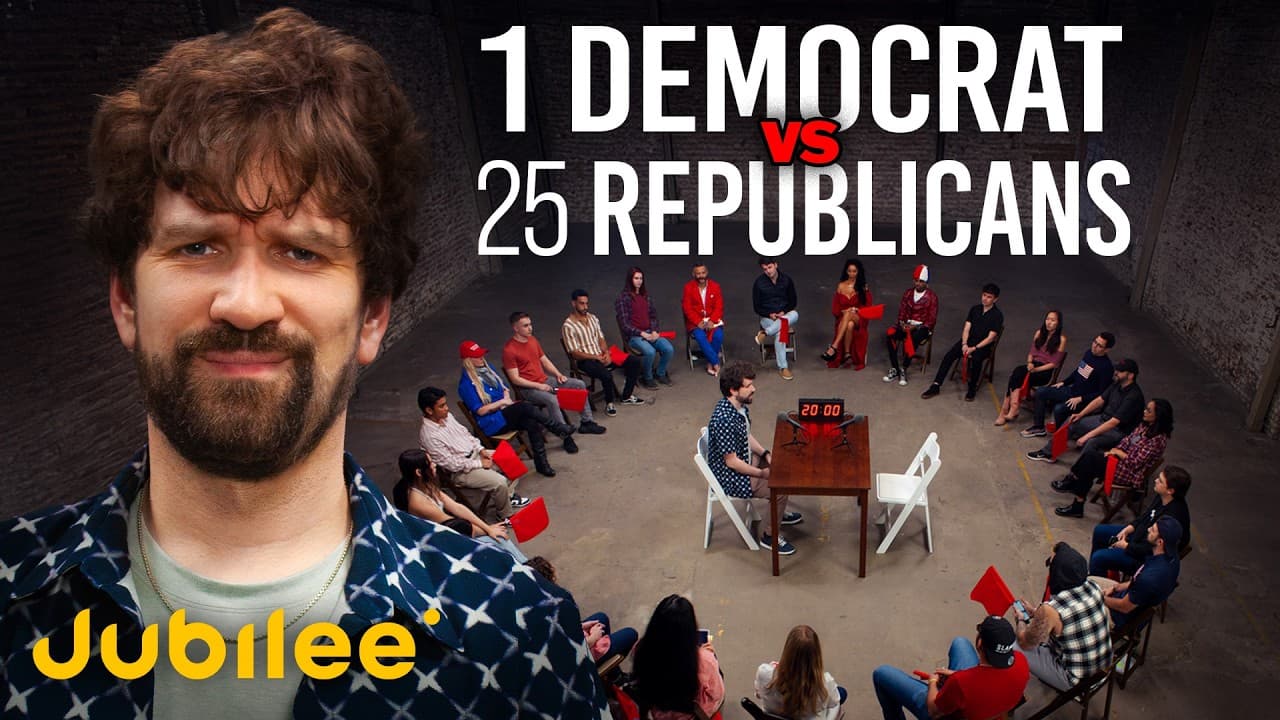
TL;DR
Trump is argued to be unfit due to actions surrounding January 6, including stoking the idea of a stolen election, fabricating slates of electors, and encouraging supporters to confront Congress. Critics note delayed calls for peace and a lack of immediate restraint, which they say undermined democratic processes.
Transcript
I don't think you know what American values are I don't think you know what this country was founded or built upon and I think you guys are obsessed with a cult leader who is taking the entire Republican party off of a everything he say he do Trump is Gangster remember can you give me one thing you don't like about Trump I love everything about TR ... Read More
Key Insights
- Trump is argued to be unfit due to his handling of the January 6 events and the surrounding rhetoric.
- The key to the argument is the claim that Trump stoked claims of election fraud with little or no evidence.
- The claim that Trump fabricated slates of electors is presented as a central indictment in the discussion.
- The conversation suggests that Trump did not immediately call for peace as violence unfolded on January 6.
- The discussion notes a timeline of Trump messages, including stay peaceful and go home remarks.
- The participants challenge the narrative by questioning the reality of who entered the Capitol first.
- The dialogue contrasts calls for law and order with the actions and the aftermath of the attack.
- A recurring theme is the belief that conservatives inhabit a different perceived reality than their opponents.
Install to Summarize YouTube Videos and Get Transcripts
Explore YouTube Video Summarizer or Get YouTube Transcript Extractor
Questions & Answers
Q: What event is central to the argument that Trump is unfit for office?
The central event discussed is the January 6 attack on the Capitol. The conversation claims that Trump was unwilling to accept the election results, allegedly stoking claims of a stolen election and encouraging his supporters to protest, which proponents say undermined the democratic process and disqualified him from the presidency.
Q: What specific action is cited as a part of Trump’s alleged unfitness?
Proponents point to Donald Trump fabricating slates of electors and inviting people to the Capitol as part of the attempt to overturn the results. They argue these actions demonstrate a willingness to undermine the peaceful transfer of power and threaten democratic norms.
Q: How is the timing of Trump’s tweets described in the discussion?
The discussion notes that after the Capitol grounds were breached, Trump sent messages that included staying peaceful and later a call to go home. Critics say the three hours before these messages showed inaction that failed to quell the violence and to redirect the crowd away from the breach.
Q: What role do claims of voter fraud play in the argument?
Voter fraud claims are described as claims that Trump continued to stoke without evidence, creating a narrative that contributed to the belief that the election was stolen. This narrative is presented as fueling the unrest and undermining trust in the electoral process.
Q: What does the dialogue say about the timing of a peace call?
The dialogue asserts that a definitive call to go home and stay peaceful did not come promptly, and critics view the delay as a failure to de-escalate the situation as it unfolded, which is framed as part of the reason Trump is considered unfit.
Q: How is accountability for the violence on January 6 addressed?
Accountability is discussed in terms of responsibility for incitement and for not adequately restraining supporters once the breach occurred. The conversation emphasizes a duty to protect democratic institutions and to avoid encouraging or normalizing violent actions.
Q: What is the stance on whether all participants acted violently?
The discussion acknowledges that violence occurred but also questions the presence of a unified leadership or command structure among rioters. It contrasts this with statements alleging organized roles, presenting a debate about how responsibility should be allocated.
Q: How do the participants view the concept of reality in political discourse?
A key line of the dialogue is that conservatives and their opponents may inhabit different realities, with one side arguing based on verifiable actions and evidence, while the other questions the veracity of that evidence. This frames the debate as a struggle over factual grounding and democratic norms.
Summary & Key Takeaways
-
A detailed discussion centers on January 6 as a turning point for assessing Trump’s fitness, with emphasis on actions and rhetoric leading up to and during the event.
-
Participants critique the handling of the violence and the messaging to supporters, highlighting delays in urging peace and calls for order.
-
The video frames constitutional norms like peaceful transfer of power as essential to evaluating presidential fitness and democratic accountability.
Read in Other Languages (beta)
Share This Summary 📚
Summarize YouTube Videos and Get Video Transcripts with 1-Click
Try YouTube Summary with ChatGPT & Claude or YouTube Transcript Generator
Explore More Summaries from Jubilee 📚
Summarize YouTube Videos and Get Video Transcripts with 1-Click
Try YouTube Summary with ChatGPT & Claude or YouTube Transcript Generator