How to Scale Facebook Ads With Country Expansion
TL;DR
Expand Facebook ad targeting into every country your business can serve, using a CBO prospecting campaign that lets proven markets compete with a new-country test ad set. Reuse top-performing ads, match targeting languages to the ads, and apply a temporary daily minimum of one CPA only when the test receives too little spend.
Transcript
This is boring, I'll be honest. But I've seen this one thing take accounts from hardly being able to scale to being able to increase revenue two, three, four, five, even 10x in the course of just a few months. And I don't think anybody's doing it or talking about it because it's just not that exciting. It's not sexy. In just the last 180 days, I've... Read More
Key Insights
- Country expansion is a scaling method for accounts that already have good products, effective creative, suitable targeting, and a solid campaign structure but remain stuck below a revenue threshold. It increases available reach by opening access to markets beyond the one or two countries currently targeted.
- A properly structured country test does not force a fixed budget into every new location. New markets compete with existing ad sets inside a CBO prospecting campaign, allowing Facebook to direct campaign spending toward the ad set it predicts will perform best.
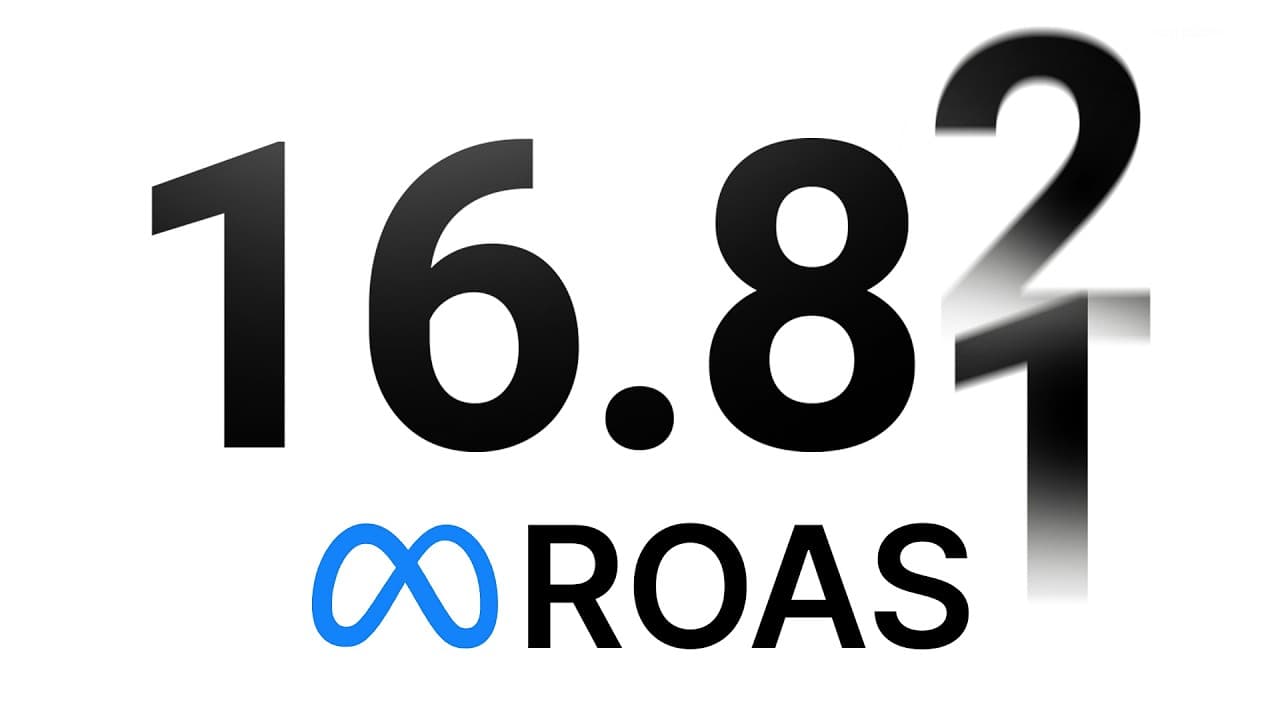
- The demonstrated account increased spending from $8,000 in July 2025 to $141,000 five months later. Revenue rose from $22,000 to $294,000 while return on ad spend moved from 2.6 to 2.07, trading some efficiency for substantially more revenue.
- A clean geographic test uses the account’s top-performing ads in the new-country ad set. Reusing proven creative prevents creative quality from becoming an additional test variable, so the performance difference is more directly associated with the selected locations.
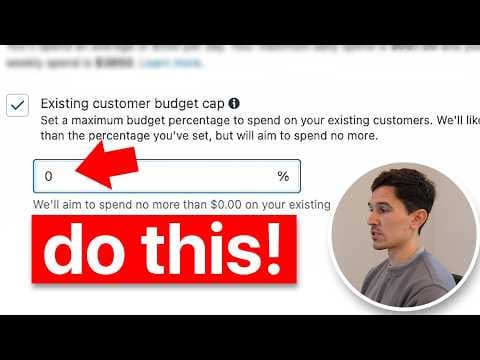
- A temporary spending minimum is useful when a new-country ad set receives too little delivery because its markets are smaller than the primary market. The suggested average daily minimum is one times CPA, such as $100 when customer acquisition costs $100.
- The 7–14 day evaluation begins after the temporary minimum has generated initial delivery. Once the minimum is removed, underspending suggests the tested markets may not scale, while spending above the former minimum is presented as a favorable signal for further expansion.
- Language targeting is a critical geographic test setting because all-language targeting can show ads to people who do not speak the language used in the creative. For English ads, the recommended selections are English All, English UK, and English US.
- Successful countries should be added to the location targeting of newly created ad sets, including ad sets launched for future creative. Existing working structures remain intact, while the newly validated locations become part of the account’s ongoing business-as-usual targeting.
Install to Summarize YouTube Videos and Get Transcripts
Explore YouTube Video Summarizer or Get YouTube Transcript Extractor
Questions & Answers
Q: How can country expansion scale Facebook ad revenue?
Country expansion increases the available audience by letting Facebook ads reach additional markets that the business can serve. The method is intended for brands that already have good products, working creative, appropriate targeting, and a solid account structure. When new countries compete against existing markets without receiving forced permanent budgets, they can supply additional profitable purchases and sometimes outscale established markets within a few months.
Q: How should a Facebook country expansion campaign be structured?
Use a prospecting campaign with campaign budget optimization and retain the existing business-as-usual ad sets for current countries. Add a separate ad set called something like “new country test.” Put the account’s top-performing ads into that ad set, exclude the current primary market, and include the additional countries where the business can ship. The campaign then allocates money among the competing ad sets.
Q: Why should a new-country test use top-performing ads?
Top-performing ads should be reused because the test is meant to evaluate geographic locations, not creative quality. Introducing unproven ads and unproven countries simultaneously would create multiple variables, making it harder to determine why performance improved or declined. Using proven creative gives each new location a stronger test and keeps the selected countries as the main difference from the existing setup.
Q: What should you do if a new-country ad set gets no spend?
Set an average daily minimum through the ad set spending limits when the new-country test receives too little delivery. The recommended minimum is one times the account’s CPA. If customer acquisition costs $100, for example, use a $100 average daily minimum. This forces initial spending without creating a fixed ceiling, so Facebook can spend more if the markets demonstrate stronger potential.
Q: When should the spending minimum be removed from a country test?
Remove the average daily minimum after approximately 7–14 days. The ad set will then either spend less than the former minimum or continue spending above it. Underspending indicates that Facebook does not view those markets as sufficiently competitive or scalable. Spending above the removed minimum is treated as a positive signal that the tested geographic markets may support additional scale.
Q: How should language targeting be configured for country expansion?
Select only languages that match the language used in the ads. Leaving the setting on all languages while targeting countries with different commonly spoken languages can deliver ads to the wrong people and reduce performance. For an English-language campaign, the recommended configuration selects all three available English buckets mentioned in the transcript: English All, English UK, and English US.
Q: Do new countries require separate Facebook pixels?
New countries do not require new pixels or an elaborate data setup. According to the transcript, geographic targeting signals are shared with the relevant location while the resulting information returns to the account’s pixel and data sets. The speaker states that activity in one market, such as the United States, does not need to be treated as contaminating another expansion market, such as the United Kingdom.
Q: What should happen after a country test succeeds?
Add successful countries to the location settings of newly created ad sets, including future ad sets used to launch new creative. If the United States was the original market and Canada and Mexico succeeded in testing, future ad sets would include all three. Existing working campaigns do not need to be rebuilt, because the goal is to preserve current performance while incorporating validated markets into new growth efforts.
Summary & Key Takeaways
-
Country expansion can unlock additional Facebook ad revenue when an account already has a solid structure, effective creative, appropriate audience targeting, and products that sell. Instead of forcing budgets into unproven locations, a campaign budget optimization setup allows new countries to receive money only when Facebook predicts that their performance can compete with established markets.
-
The recommended structure preserves existing country ad sets and adds one new-country test ad set inside the same CBO prospecting campaign. The test uses top-performing ads from business-as-usual campaigns, excludes existing locations, and includes all additional countries the business can ship to, keeping geographic location as the primary variable being evaluated.
-
If a smaller market receives insufficient delivery, an average daily minimum equal to one CPA can force enough initial spend to generate evidence. After 7–14 days, removing that minimum reveals whether the new markets underspend, suggesting limited scalability, or overspend, indicating potential scale. Successful countries should then be included in future creative ad sets.
Read in Other Languages (beta)
Share This Summary 📚
Summarize YouTube Videos and Get Video Transcripts with 1-Click
Try YouTube Summary with ChatGPT & Claude or YouTube Transcript Generator
Explore More Summaries from Sam Piliero 📚




Summarize YouTube Videos and Get Video Transcripts with 1-Click
Try YouTube Summary with ChatGPT & Claude or YouTube Transcript Generator