What Are the Challenges to Humanism in the 21st Century?
TL;DR
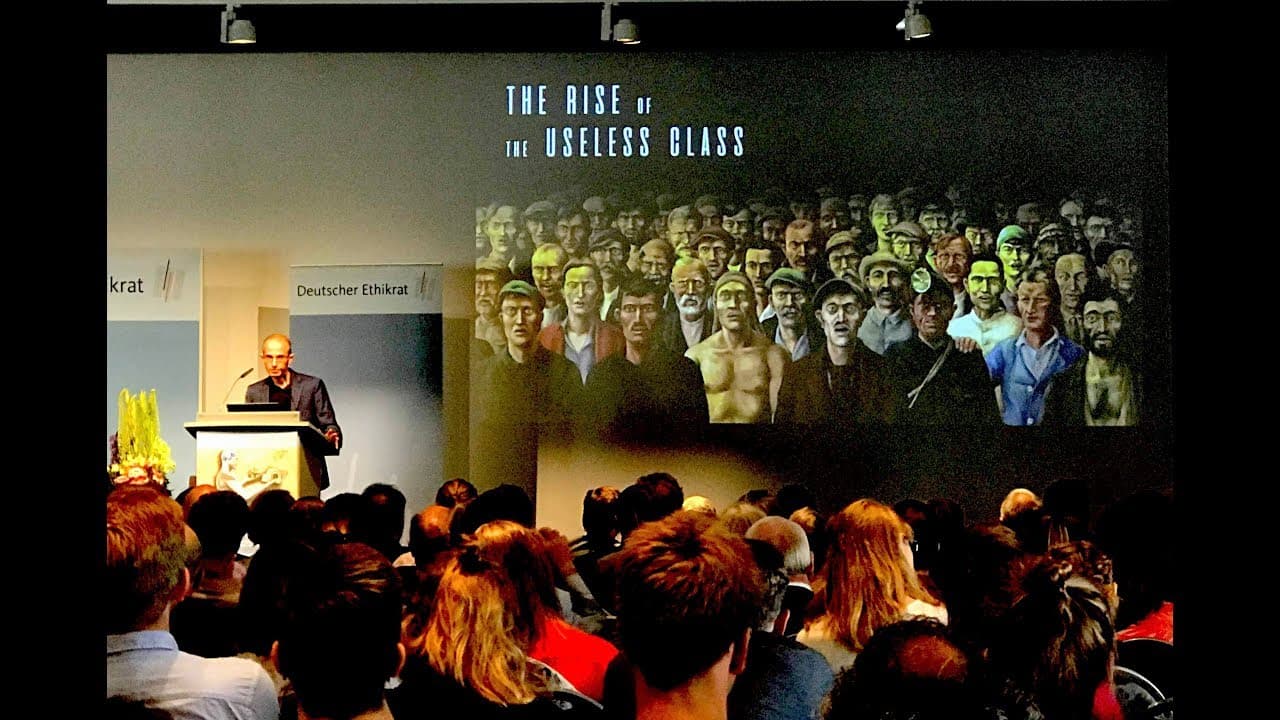
The rise of biotechnology and information technology poses significant challenges to humanism, which regards human feelings as the ultimate authority. Algorithms are increasingly capable of understanding and influencing human emotions, potentially reshaping decision-making in politics, economics, and education, leading to a future where human agency may be diminished.
Transcript
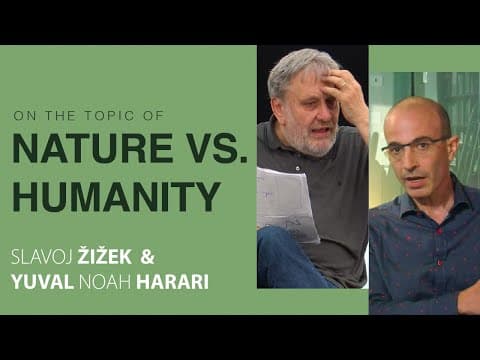
- To Yuval, it's a great pleasure to have you here with us. We have you here, and I must admit I'm a little bit old fashioned with regard to that in person, and not as a hologram as you appeared during the TED Conference in Vancouver last month or something like this. So thank you so much that we have you in person today with us. In my view, you ar... Read More
Key Insights
- 🥶 Humanism, which places human feelings and free will at the center, is being challenged by advancements in biotech and infotech.
- 💄 Algorithms are becoming increasingly capable of understanding human emotions and making decisions, often better than humans.
- 🥶 The authority of algorithms in decision-making, politics, and economics might replace the authority of human feelings and free will.
- 😮 The rise of algorithmic decision-making and manipulation of human emotions can potentially lead to the loss of human agency and the creation of new organisms.
Install to Summarize YouTube Videos and Get Transcripts
Explore YouTube Video Summarizer or Get YouTube Transcript Extractor
Questions & Answers
Q: How do advancements in biotechnology and information technology challenge the concept of humanism?
These advancements reveal that human feelings and free will are not as exclusive and unique as previously thought. They show that our emotions are biochemical algorithms that can be understood and manipulated by external systems.
Q: Can algorithms replace human decision-making, particularly in politics and economics?
Yes, algorithms can increasingly make better decisions than humans, especially in fields such as economics and politics. As algorithms become more sophisticated, they can understand human emotions and make predictions and manipulations based on this understanding.
Q: What are the potential dangers of relying too much on algorithms and infotech?
One danger is the loss of human agency and decision-making power. When algorithms have better access to information and can make decisions that are more accurate than humans, they can potentially control and manipulate human behavior. This can lead to a loss of individual freedom and the ability to think for oneself.
Q: How can we ensure that the impact of advancements in technology remains positive?
It is important to have a realistic and humble appreciation of human abilities and limitations. We should be aware of our vulnerabilities to manipulation and strive for a balance between technological advancements and human agency. Additionally, society must actively engage in discussions and debates to shape the direction of technology and its impact on our lives.
Summary & Key Takeaways
-
Humanism, which believes that human feelings are the ultimate source of authority, is being challenged by advancements in biotech and infotech.
-
Algorithms are becoming increasingly capable of understanding human emotions and making decisions that are often better than humans.
-
This challenge to humanism can have significant implications for politics, economics, aesthetics, ethics, and education.
-
The rise of algorithmic decision-making and the manipulation of human feelings can potentially lead to the loss of human agency and the creation of new kinds of organisms.
-
(Content reviewed on 2026-08-27.)
Read in Other Languages (beta)
Share This Summary 📚
Summarize YouTube Videos and Get Video Transcripts with 1-Click
Try YouTube Summary with ChatGPT & Claude or YouTube Transcript Generator
Explore More Summaries from Yuval Noah Harari 📚


Summarize YouTube Videos and Get Video Transcripts with 1-Click
Try YouTube Summary with ChatGPT & Claude or YouTube Transcript Generator